
Have you ever wondered how a car wheel lock actually keeps your vehicle safe? If you want to protect your car from theft, understanding how this simple device works can give you peace of mind.
You’ll discover the clever way a wheel lock stops thieves in their tracks and why it might be the best protection you can add to your car. Keep reading—what you learn here could save you a lot of trouble down the road.

Credit: en.wikipedia.org
Purpose Of A Car Wheel Lock
The purpose of a car wheel lock is to add a strong layer of security. It stops unauthorized movement of a vehicle. This simple device can save your car from theft and unwanted towing. Wheel locks are easy to use and very effective.
Preventing Theft
Car wheel locks block the wheels from turning. This makes it hard for thieves to drive the car away. The lock fits tightly around the wheel and stays in place. Thieves avoid cars with wheel locks because they take too long to remove. This extra time risk deters many attempts at stealing.
Legal Enforcement Tool
Authorities use wheel locks to control parking violations. They attach locks to cars parked illegally or without permission. The lock stops the car from moving until fines are paid. This method helps enforce parking rules without towing the vehicle. It is a quick and visible way to manage parking issues.
Types Of Wheel Locks
Wheel locks come in several types. Each serves to stop car wheels from moving. These locks add safety and peace of mind. Knowing the types helps choose the right one for your needs.
Clamp-style Locks
Clamp-style locks fit around the wheel. They use strong metal to hold the tire tightly. This type stops the wheel from turning or moving. Easy to spot, they also act as a visual warning. Many parking officers use these locks for enforcement.
Boot-style Locks
Boot-style locks cover the entire wheel. They lock onto the tire and rim together. This makes it very hard to move the car. The boot is bulky and visible from far away. It sends a clear message: do not drive.
Electronic Wheel Locks
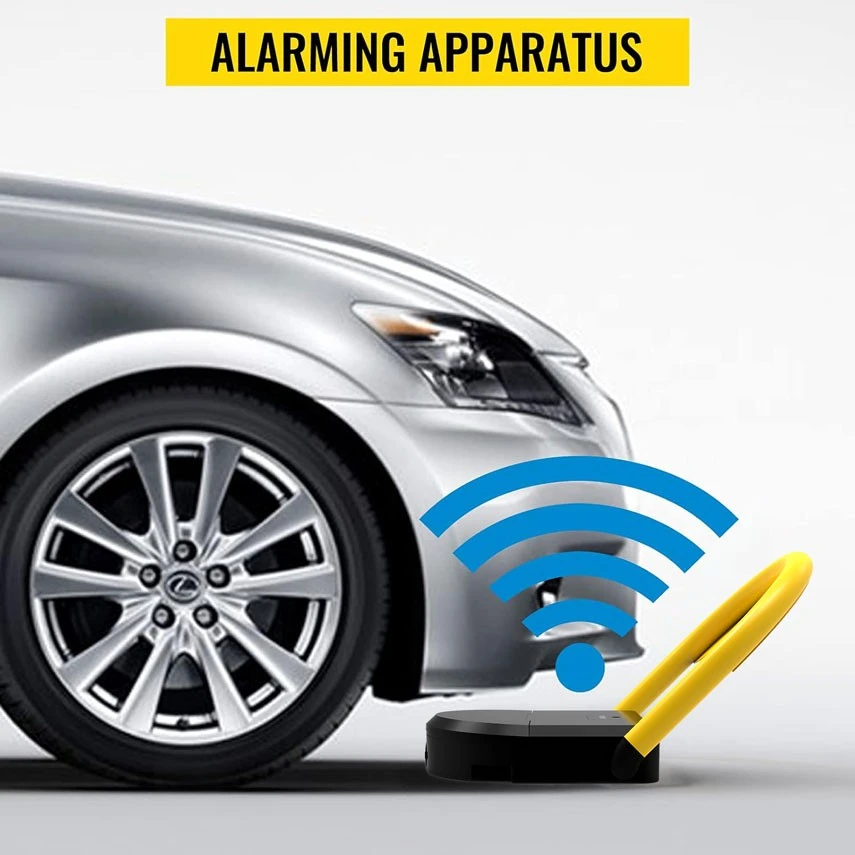
Electronic wheel locks use technology to secure wheels. Sensors detect if the car moves without permission. They can trigger alarms or disable the vehicle. This type offers advanced protection. It is less common but growing in use.
Mechanism Of Clamp-style Locks
Clamp-style wheel locks stop cars from being moved or stolen. They work by holding the wheel tightly. This type of lock is strong and easy to use. It fits around the wheel and makes driving impossible without removing it first.
Attachment Process
The clamp is placed around the wheel’s rim. It covers part of the tire and the metal wheel. The arms of the clamp are spread wide to fit over the wheel. Then, the lock is pushed tight to grip the wheel firmly. This stops the wheel from turning or moving.
Locking Mechanism
Once attached, a locking mechanism secures the clamp. This lock usually uses a key or combination. Turning the key tightens the clamp’s grip. The lock prevents the clamp from opening. This keeps the clamp fixed on the wheel at all times.
Removal Procedure
To remove the clamp, unlock it first. Use the key or enter the combination. The clamp’s arms then release their hold. After loosening, the clamp slides off the wheel easily. This allows the car to move freely again.
How Boot-style Locks Work
Boot-style wheel locks are a common tool to prevent car theft. They clamp around the wheel and make it hard to move the vehicle. These locks are strong and visible, which can stop thieves from trying.
The design and use of boot locks are simple but effective. They cover a large part of the wheel and block the tire and rim. This section explains how boot-style locks work and how you can use them.
Design Features
Boot locks have a solid metal body that fits over the tire. They include a strong clamp to hold the wheel tightly. The lock covers the tire’s tread and part of the rim. This design stops the wheel from turning or being removed easily. Most boots have a bright color to show they are in place. This visual warning helps deter thieves from attempting theft.
Securing The Wheel
To secure the wheel, open the boot and place it around the tire. Adjust the clamp so it fits snugly against the rim. Tighten the lock to hold the boot firmly in place. The boot’s size blocks the wheel from rotating or rolling. This prevents driving or towing the car without removing the boot first.
Unlocking Steps
Unlocking a boot-style lock requires the correct key or code. Insert the key into the lock mechanism and turn it. This releases the clamp and opens the boot. Remove the boot carefully from the tire and rim. Store the boot safely to use again if needed. Proper unlocking ensures the wheel can move freely once more.
Electronic Wheel Lock Functions
Electronic wheel locks use modern technology to protect car wheels from theft. They combine convenience with strong security. These locks rely on electronic systems to activate, secure, and deactivate the locking mechanism. This section explains how these functions work.
Activation Methods
Electronic wheel locks activate through remote controls or smartphone apps. Some use Bluetooth or radio signals to start the locking process. Others may require a PIN code or fingerprint scan. Activation is quick, allowing easy control over the lock.
Security Features
These locks include alarms that trigger on tampering attempts. They have sensors to detect movement or force. Some models send alerts to the owner’s phone. The electronic system resists hacking and physical damage. This ensures the wheels stay protected.
Deactivation Process
Deactivation usually requires the same device or code used for activation. The lock disables electronically, freeing the wheel. Some models use timed locks that deactivate automatically. This process prevents unauthorized removal and keeps the car safe.

Credit: gruassantjordi.com
Materials Used In Wheel Locks
Car wheel locks rely on strong materials to protect your wheels. These materials help keep the locks tough against damage and theft. Manufacturers choose metals and coatings that last long and resist attacks. Understanding these materials shows why wheel locks work well.
Durability Factors
Steel is the most common material for wheel locks. It is very strong and hard to break. Some locks use hardened steel. This type of steel is heated and cooled to increase strength. It can resist cutting and hammering better than regular steel.
Other metals, like aluminum, are lighter but less tough. Aluminum is often used with steel to reduce weight. Some locks have protective coatings to stop rust. Rust can weaken metal and make locks easier to break.
Resistance To Tampering
Wheel locks must stop thieves from breaking or picking them. Hardened steel helps resist drills and saws. Some locks have complex shapes that make tools slip. This design makes it hard for thieves to grip or turn the lock.
Special coatings also add protection. Some coatings are very hard and prevent scratches. Scratches can reveal weak spots for thieves to attack. A good lock combines strong metal and smart design for better security.
Advantages Of Using Wheel Locks
Using wheel locks offers several clear benefits for car owners. These devices protect wheels from theft and provide peace of mind. They act as a strong physical barrier and a visible warning to thieves. Wheel locks are also simple to install and remove, making them practical for daily use.
Deterrence Effect
Wheel locks discourage thieves from targeting your car. They create extra work and risk for anyone trying to steal wheels. Thieves often avoid cars with wheel locks to save time. The visible presence of wheel locks signals that your wheels are protected. This reduces the chance of theft significantly.
Ease Of Use
Wheel locks are easy to fit onto your wheels. They usually come with a special key for quick removal. You can install or remove them in minutes. No special skills or tools are needed beyond the key. This makes wheel locks a convenient security option for all drivers.
Common Challenges And Limitations
Car wheel locks add security but are not without problems. Knowing their common challenges helps users avoid trouble. These limits affect how well the lock works in real life. Understanding these points can save time and money.
Potential For Damage
Wheel locks can harm the car if used wrong. Tightening too much may damage the wheel or brake parts. Rust or dirt can cause the lock to stick. Removing a stuck lock might scratch the wheel. Care is needed when installing and removing locks.
Bypassing Techniques
Thieves learn ways to bypass wheel locks. Some use special tools to remove the lock. Others break the lock with force or cut it. Locks with standard keys can be copied. Using high-quality locks reduces bypass risks.
Legal Considerations Around Wheel Locks
Understanding the legal aspects of car wheel locks is important. Different places have rules on who can use wheel locks and how they should be removed. Knowing these rules helps avoid fines or legal trouble. It also protects your rights as a vehicle owner. This section explains key legal points about wheel locks.
Ownership Rights
Car owners have the right to protect their vehicles. Wheel locks are a tool for this protection. Only the vehicle owner or authorized persons can place or remove a wheel lock. Unauthorized locking of a vehicle may lead to legal action. Always confirm ownership before using a wheel lock.
Removal Regulations
Many areas regulate how wheel locks must be removed. Unauthorized removal can be illegal and punishable by law. Some cities require official permission or fees before removing a lock. Professional removal services may be needed. Follow local rules to avoid penalties and ensure safe removal.
Credit: www.smartlockssupplier.com
Frequently Asked Questions
What Is The Main Purpose Of A Car Wheel Lock?
A car wheel lock prevents unauthorized movement of the vehicle. It secures the wheel, stopping theft or illegal towing. This device acts as a physical barrier, making it difficult to remove or drive the car without unlocking it first.
How Does A Car Wheel Lock Secure The Wheel?
The wheel lock clamps tightly around the tire and rim. It restricts the wheel’s rotation, immobilizing the vehicle. This mechanical lock is strong and tamper-resistant, deterring thieves and ensuring the car stays put until unlocked.
Can A Car Wheel Lock Damage The Tire Or Rim?
Properly installed wheel locks do not damage tires or rims. They are designed to fit securely without causing scratches or punctures. However, incorrect installation or forceful removal might cause damage, so professional use is recommended.
Are Car Wheel Locks Effective Against All Types Of Theft?
Car wheel locks effectively deter casual theft and unauthorized towing. However, determined thieves with tools may bypass them. Using wheel locks along with alarms and GPS tracking enhances overall vehicle security.
Conclusion
A car wheel lock helps keep your vehicle safe. It stops thieves from moving the car easily. The lock fits over the wheel and blocks it from turning. This simple tool adds extra security without much effort. Knowing how it works can help you choose the right one.
Keep your car protected with this easy and effective device. Safety made simple.