

Are you curious about how the Toyota Prius handles the road? Understanding whether the Prius is a front-wheel-drive car can change the way you think about its performance and efficiency.
If you want to know how this affects your driving experience, fuel economy, and even safety, you’re in the right place. Keep reading to discover everything you need to know about the Prius’s drivetrain and why it matters to you.

Credit: www.i95toyota.com
Prius Drivetrain Options
The Toyota Prius offers different drivetrain options to suit various driving needs. Most Prius models come with front wheel drive. This means the engine powers the front wheels only. Front wheel drive helps improve fuel efficiency and handling in city traffic.
Recently, Toyota added all wheel drive to some Prius versions. This option provides better traction on slippery roads. It makes the car safer in rain or snow. Let’s explore these drivetrain types in detail.
Front Wheel Drive Explained
Front wheel drive means power goes to the front wheels. The engine connects directly to the front axle. This setup is simple and lightweight. It reduces fuel consumption and lowers car weight.
Front wheel drive works well on dry roads and mild conditions. It gives good control and easy steering. Most Prius models use this drivetrain to maximize efficiency.
All Wheel Drive Variants
All wheel drive sends power to all four wheels. It helps keep the car steady on wet or icy roads. Toyota offers AWD as an option on some Prius trims.
The AWD system uses an extra electric motor for the rear wheels. It activates only when extra traction is needed. This keeps fuel use low while improving safety.
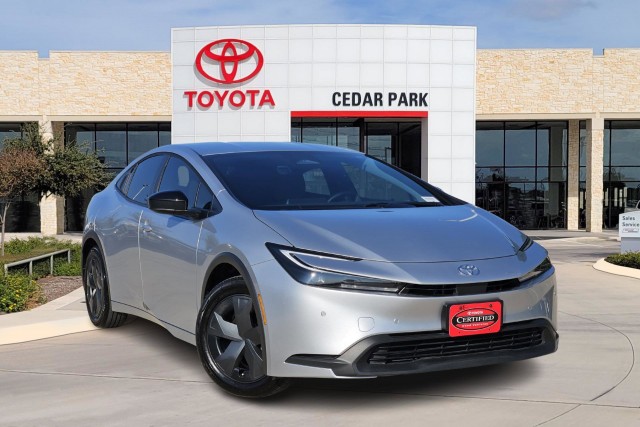
Credit: www.toyotaofcedarpark.com
How Prius Front Wheel Drive Works
The Toyota Prius uses front wheel drive to move efficiently on the road. This system sends power mainly to the front wheels. The design helps the car save fuel and perform well in daily driving. Understanding how the Prius front wheel drive works can help you appreciate its smart engineering.
Power Delivery System
The Prius combines a gasoline engine and electric motors to power the front wheels. The gasoline engine runs mostly at low speeds or when more power is needed. Electric motors assist or take over driving at low speeds and during gentle acceleration. Power flows through a special transmission that blends both sources smoothly. This setup keeps the front wheels turning efficiently without wasting energy.
Efficiency Benefits
Front wheel drive in the Prius cuts down energy loss by reducing moving parts. It makes the car lighter and easier to control. The system improves traction on most road surfaces, especially in rain or snow. By focusing power on the front wheels, the Prius maximizes fuel economy. This helps drivers spend less on gas while producing fewer emissions.
Comparing Prius Fwd To Other Models
The Toyota Prius is known for its front-wheel-drive system. Many drivers wonder how it compares to other models with different drivetrains. Comparing the Prius FWD to other cars helps understand its strengths and limits. This comparison focuses on performance and fuel economy, two key factors for buyers.
Fwd Vs Awd Performance
Front-wheel drive (FWD) sends power to the front wheels only. This setup works well in dry and mild weather. The Prius uses FWD to keep weight and cost down. All-wheel drive (AWD) sends power to all four wheels. AWD improves grip on slippery roads and rough terrain. It offers better traction in snow and rain. FWD cars like the Prius usually have lighter weight. This helps with easy handling and smooth rides. AWD models add weight and complexity. This can affect acceleration and cornering feel.
Fuel Economy Differences
The Prius FWD shines with excellent fuel economy. It uses less fuel because it drives fewer wheels. The lighter drivetrain also reduces energy use. AWD systems consume more fuel due to extra parts. AWD models often show slightly lower miles per gallon. For city and highway driving, the Prius FWD is very efficient. Drivers focused on saving fuel prefer the Prius over AWD rivals. Choosing FWD means better mileage and fewer trips to the pump.
Advantages Of Prius Front Wheel Drive
The Toyota Prius is known for its front-wheel drive system. This setup offers several key advantages that make the car practical and reliable. Understanding these benefits helps you appreciate why many drivers choose the Prius.
Handling And Stability
Front-wheel drive improves the Prius’s handling on the road. The engine’s weight sits over the front wheels. This setup increases traction, especially on wet or slippery roads. It helps the car stay stable during turns and curves. Drivers feel more control and confidence behind the wheel. The design also reduces the chance of fishtailing or spinning out.
Cost And Maintenance
Front-wheel drive systems cost less to produce than all-wheel drive. The Prius benefits from this lower cost. Repairs and maintenance are simpler and cheaper. Fewer parts mean fewer things can break. Tires wear evenly because the front wheels do most of the work. This saves money on replacements. Overall, the front-wheel drive helps keep ownership costs low.
Limitations Of Front Wheel Drive In Prius
The Toyota Prius uses front wheel drive (FWD), which affects its performance in certain ways. This design has some limits that drivers should know about. Understanding these limits helps in making better choices about driving and car care.
FWD means the engine power goes to the front wheels only. This setup is common in many small and mid-sized cars. It offers good fuel efficiency and simple design but also comes with some challenges.
Traction Challenges
Front wheel drive can struggle with traction on slippery roads. Snow, ice, or wet surfaces can reduce grip. The front wheels have to pull the car and steer at the same time. This dual task can cause wheel spin or loss of control.
The Prius may face difficulty climbing steep or slippery hills. Extra care is needed in harsh weather to maintain safe control. Using proper tires can help reduce traction issues.
Driving Conditions Impact
Different road conditions affect the Prius’s front wheel drive performance. Rough, uneven roads can cause the front tires to lose contact more often. This can reduce stability and comfort.
Heavy rain or mud can also challenge the front wheels’ grip. This may lead to understeer, where the car turns less than intended. Drivers need to slow down and drive cautiously on such surfaces.

Credit: www.kenoshatoyota.com
Choosing Between Prius Fwd And Awd
Choosing between the Prius Front Wheel Drive (FWD) and All Wheel Drive (AWD) models depends on several factors. Both versions offer different benefits based on your needs and driving conditions. Understanding these differences helps pick the right Prius for your lifestyle and budget.
Lifestyle And Usage Factors
Consider where you drive most often. FWD works well on dry, paved roads and city streets. It provides good fuel efficiency and smooth handling in normal conditions. AWD adds extra traction by powering all wheels. This helps in rain, snow, or slippery roads. Drivers in colder climates or rough terrain may find AWD safer and more reliable. For mostly urban or highway driving, FWD is usually enough.
Price And Availability
FWD models tend to cost less than AWD versions. The price difference reflects the extra parts and technology in AWD systems. Also, FWD Prius cars are more common and easier to find at dealerships. AWD models may have limited availability in some areas. Choosing FWD can save money upfront and on maintenance. AWD adds cost but can be worth it for better control and peace of mind in tough conditions.
Frequently Asked Questions
Is The Toyota Prius A Front Wheel Drive Car?
Yes, the Toyota Prius is a front wheel drive car. It uses front wheels to deliver power and traction efficiently. This setup enhances fuel economy and handling, making it ideal for city and highway driving.
How Does Front Wheel Drive Benefit The Prius?
Front wheel drive improves Prius stability and traction, especially in wet or slippery conditions. It also reduces drivetrain weight, boosting fuel efficiency and overall performance, which aligns with the Prius’s eco-friendly design.
Can Prius Handle Rough Terrain With Front Wheel Drive?
The Prius is designed for smooth roads and light off-road use. Its front wheel drive offers decent traction but is not ideal for rough or rugged terrains requiring all-wheel drive.
Does Front Wheel Drive Affect Prius Fuel Efficiency?
Yes, front wheel drive positively impacts Prius fuel efficiency. It reduces mechanical losses by powering only the front wheels, saving energy and enhancing the hybrid system’s effectiveness for better mileage.
Conclusion
The Toyota Prius is a front-wheel-drive car. This design helps with fuel efficiency and control. Front-wheel drive means the engine powers the front wheels only. It offers better traction in most road conditions. Many drivers find it easy to handle and park.
The Prius remains popular for its reliable and simple setup. Understanding its drive type helps you choose the right car. Front-wheel drive fits well for city and highway driving. The Prius proves practical and efficient for everyday use.