

Are you wondering if front wheel drive cars are the right choice for you? Choosing the best car can be confusing, especially with so many options out there.
Front wheel drive vehicles often come up as a popular choice, but are they really good? This article will help you understand the true benefits and possible drawbacks of front wheel drive cars. By the end, you’ll feel confident about whether this type of car fits your needs and lifestyle.
Keep reading to discover what makes front wheel drive cars stand out and if they are the perfect match for your next ride.
Front Wheel Drive Basics
Understanding front wheel drive (FWD) helps in choosing the right car. This system moves power from the engine to the front wheels. It is common in many small and mid-size cars. FWD offers good control and fuel efficiency. Knowing how it works and its features can guide your buying decision.
How Front Wheel Drive Works
The engine connects directly to the front wheels. These wheels handle both driving and steering. Power flows through a transaxle, which combines transmission and axle functions. This design reduces weight and space in the car. It improves traction on slippery roads by pulling the car forward.
Common Features
FWD cars often have better fuel economy. They use less space inside, allowing more room for passengers. The front engine and drive wheels create a balanced weight distribution. These cars usually cost less to make and maintain. Front wheel drive also helps with easier handling in city traffic.
Advantages Of Front Wheel Drive
Front wheel drive cars come with several benefits that make them a popular choice. They offer practical advantages that appeal to many drivers. Understanding these benefits helps in making a smart car choice.
Fuel Efficiency
Front wheel drive cars usually weigh less than other types. This lower weight helps them use less fuel. The engine and transmission work together more efficiently. This means the car travels farther on a single tank.
Better Traction In Snow
The engine’s weight sits over the front wheels. This improves grip on slippery roads. It helps the car move steadily on snowy or wet surfaces. Drivers feel safer and more in control.
Lower Production Costs
Manufacturers find front wheel drive cars cheaper to build. The design uses fewer parts and is simpler. These savings often lead to lower prices for buyers. More people can afford these cars.
More Cabin Space
Front wheel drive systems take up less room inside. This frees up space for passengers and cargo. The car feels roomier and more comfortable. Families and travelers enjoy the extra space.
Drawbacks Of Front Wheel Drive
Front wheel drive (FWD) cars have many benefits, but they also come with some drawbacks. These issues can affect driving experience and car care. Understanding these downsides helps buyers make better choices.
Handling Limitations
FWD cars often struggle with sharp turns. The front wheels handle both steering and power delivery. This can cause understeer, where the car drifts wide in corners. It reduces control on twisty roads. FWD cars also tend to have less balance than rear wheel drive cars.
Torque Steer Issues
Torque steer happens when the car pulls to one side during acceleration. It occurs because power goes to the front wheels. High-powered FWD cars show this problem more. Torque steer makes driving less smooth and can be dangerous. It requires extra effort to keep the car straight.
Repair And Maintenance Concerns
FWD cars have complex front axles and CV joints. These parts wear out faster due to extra stress. Repairs can be costly and frequent. Also, the front suspension handles more work, increasing wear. Maintenance requires careful attention to avoid bigger problems.
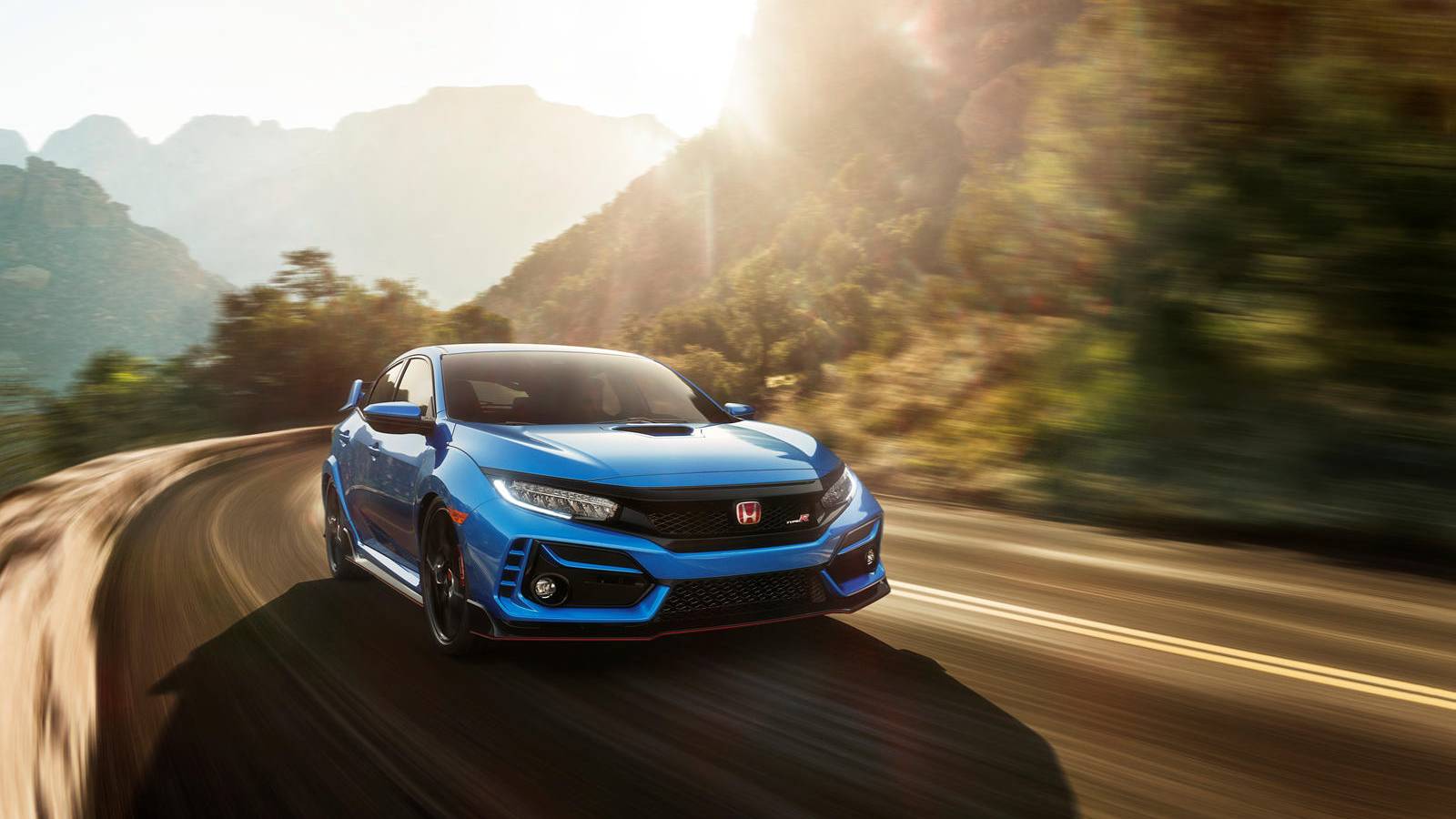
Credit: carbuzz.com
Performance Comparison
Performance is a key factor when choosing a car. Front wheel drive (FWD) cars perform differently than rear wheel drive (RWD) and all wheel drive (AWD) cars. Understanding these differences helps you make a smart choice for your needs.
Each drivetrain has strengths and weaknesses in handling, traction, and control. Let’s compare FWD with RWD and AWD to see how they stack up.
Front Wheel Drive Vs Rear Wheel Drive
FWD cars send power to the front wheels only. This helps with traction on slippery roads. FWD is good for everyday driving and city use.
RWD cars send power to the rear wheels. This gives better balance and handling on dry roads. Sports cars often use RWD for faster turns and better control.
RWD performs better during acceleration and cornering. But it can be harder to control in snow or rain. FWD is easier to drive in poor weather.
Front Wheel Drive Vs All Wheel Drive
AWD cars send power to all four wheels. This improves grip and stability on all surfaces. AWD is great for off-road and tough weather.
FWD is lighter and uses less fuel than AWD. It works well on regular roads and mild weather.
AWD offers better traction but costs more to maintain. FWD is simpler and cheaper but less capable on rough terrain.
Ideal Users For Front Wheel Drive
Front wheel drive (FWD) cars suit many drivers. Their design offers specific benefits that appeal to certain groups. Understanding who benefits most helps in choosing the right car. The following sections highlight ideal users of FWD vehicles.
City Drivers
FWD cars handle well in tight spaces. They offer better control during stop-and-go traffic. Their smaller size helps with parking in crowded areas. Fuel efficiency in FWD models saves money on short trips. Urban drivers find FWD cars easy to maneuver.
Budget-conscious Buyers
FWD cars usually cost less to buy and maintain. They have fewer parts than all-wheel or rear-wheel drive cars. Repairs tend to be simpler and cheaper. Lower fuel consumption also reduces running costs. Buyers on a budget appreciate the savings FWD provides.
Snowy And Rainy Climates
FWD cars perform well on slippery roads. The engine’s weight over the front wheels improves traction. This helps in snow, rain, and wet conditions. Drivers feel more confident in poor weather. Safety is a key advantage for those in such climates.

Credit: www.topspeed.com
Popular Front Wheel Drive Models
Front wheel drive cars are popular for many drivers. They offer good control and fuel efficiency. Many models use front wheel drive to deliver a smooth ride. This section explores popular front wheel drive models across different categories. Each category has options that suit various needs and budgets.
Compact Cars
Compact cars often come with front wheel drive. This setup helps save space inside the car. Models like the Honda Civic and Toyota Corolla are great examples. They provide easy handling and good gas mileage. Compact cars with front wheel drive work well in city traffic.
Sedans
Sedans with front wheel drive are common choices for families. Cars such as the Hyundai Sonata and Nissan Altima use this setup. These sedans offer comfort and reliable performance. Front wheel drive helps maintain stability on wet roads. Sedans provide a balance of space and efficiency.
Crossovers
Many crossovers use front wheel drive to improve fuel economy. The Honda CR-V and Toyota RAV4 are popular front wheel drive crossovers. They give a higher driving position and good cargo space. Crossovers with front wheel drive handle well in most conditions. They suit drivers who want utility and comfort.

Credit: carbuzz.com
Frequently Asked Questions
Are Front Wheel Drive Cars Better In Snow?
Front wheel drive cars offer better traction in snow. The engine’s weight over the front wheels improves grip. However, they may struggle on icy roads compared to all-wheel drive vehicles.
Do Front Wheel Drive Cars Save Fuel?
Yes, front wheel drive cars are generally more fuel-efficient. They have fewer drivetrain components, reducing weight and energy loss. This design improves fuel economy, especially in city driving conditions.
Are Front Wheel Drive Cars Cheaper To Maintain?
Front wheel drive cars usually cost less to maintain. Their simpler drivetrain means fewer parts can fail. Repairs and replacements tend to be more affordable than rear or all-wheel drive systems.
How Is The Handling Of Front Wheel Drive Cars?
Front wheel drive cars provide stable handling in most conditions. They excel in everyday driving and tight turns. However, they may understeer during aggressive cornering compared to rear wheel drive cars.
Conclusion
Front wheel drive cars offer good traction and fuel efficiency. They handle well in everyday driving and are easier to control on wet roads. These cars usually cost less to maintain and repair. While they may not be perfect for all conditions, they suit most drivers’ needs.
Choosing a front wheel drive car means balancing cost, performance, and safety. Many drivers find them practical and reliable for daily use. Consider your driving habits and roads before deciding. Overall, front wheel drive cars remain a solid choice for many people.