
If your car is struggling to start or feels less powerful than before, worn-out spark plugs might be the reason. Knowing how to replace spark plugs yourself can save you time and money, and give your car the boost it needs.
In this guide, you’ll learn simple, step-by-step instructions to replace your spark plugs safely and effectively. Ready to take control of your car’s performance? Keep reading and discover how easy it can be to keep your engine running smoothly.

Credit: www.youtube.com
Tools Needed
Replacing spark plugs needs the right tools. These tools make the job easier and safer. Having them ready saves time and effort.
Each tool has a special role. Knowing their use helps avoid mistakes. Here is a list of essential tools for spark plug replacement.
Spark Plug Socket
This socket fits the spark plug perfectly. It holds the plug securely during removal and installation. Usually, it has a rubber insert to protect the plug.
Ratchet Wrench
The ratchet wrench turns the spark plug socket. It allows easy twisting in tight spaces. This tool helps loosen and tighten spark plugs smoothly.
Torque Wrench
Use a torque wrench to tighten plugs correctly. It prevents over-tightening or under-tightening. Proper torque ensures engine performance and avoids damage.
Gap Gauge
A gap gauge measures the spark plug gap. The gap affects engine efficiency and fuel use. Adjust the gap to the car maker’s specifications.
Extension Bar
An extension bar reaches deep spark plugs. It attaches between the socket and ratchet wrench. This tool helps in hard-to-reach engine areas.
Dielectric Grease
Dielectric grease protects the spark plug’s electrical parts. It stops moisture and prevents corrosion. Applying a small amount improves spark plug life.

Credit: www.youtube.com
Preparation Steps
Preparation is key before replacing spark plugs. It saves time and avoids damage. Taking the right steps helps you work safely and efficiently.
Follow these simple preparation steps to get started on your spark plug replacement.
Ensure Engine Is Cool
Never touch spark plugs or engine parts when hot. Wait at least one hour after driving. A cool engine prevents burns and avoids breaking parts.
Locate Spark Plugs
Open the hood and find the spark plugs. They connect to thick wires or ignition coils. Check your car’s manual if you cannot find them.
Remove Engine Cover If Needed
Some cars have a plastic engine cover. Remove it by unscrewing bolts or clips. This gives easy access to spark plugs and wires.
Removing Old Spark Plugs
Removing old spark plugs is the first step in replacing them. It helps you check their condition. You also make space for new plugs. This process is simple if you follow the right steps carefully.
Disconnect Spark Plug Wires
Start by pulling off the spark plug wires. Hold the boot, not the wire, to avoid damage. Gently twist and pull to remove each wire. Label wires if needed to keep track of their positions.
Use Socket To Unscrew Plugs
Attach a spark plug socket to a ratchet wrench. Place the socket over the spark plug. Turn counterclockwise to loosen the plug. Remove it carefully to avoid dropping it inside the engine.
Inspect Old Spark Plugs
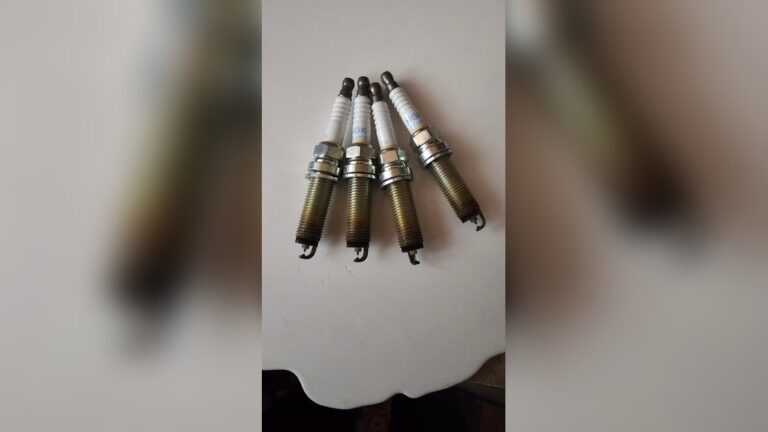
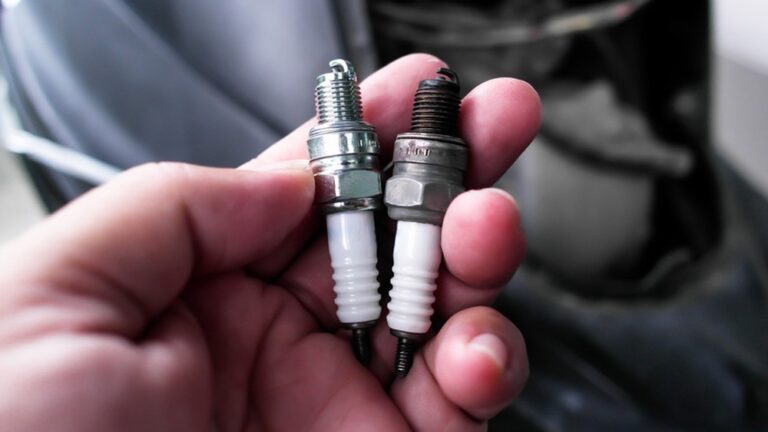
Look at the plug tip for damage or wear. Check for black soot, oil, or a white coating. These signs tell you about engine problems. Keep this in mind for future maintenance.
Installing New Spark Plugs
Installing new spark plugs is a key step in car maintenance. It helps the engine run smoothly and saves fuel. Follow simple steps for a safe and correct installation. Take care to avoid damage and ensure good engine performance.
Check And Adjust Spark Plug Gap
Look at the gap between the spark plug’s electrodes. Use a gap tool to measure it. The gap must match your car’s manual. If the gap is too small or large, adjust it gently. Proper gap ensures strong sparks and better engine power.
Apply Dielectric Grease
Put a small amount of dielectric grease on the spark plug boot. This grease stops moisture and dirt from causing problems. It also helps the boot slide on and off easily. Do not apply grease on the spark plug tip or thread.
Hand Thread Spark Plugs
Start threading the spark plug by hand into the cylinder head. Hand threading prevents cross-threading and damage. Turn the plug slowly and feel the threads engage. Stop if you feel resistance or unusual tightness.
Tighten With Torque Wrench
Use a torque wrench to tighten the spark plug to the right pressure. Follow the torque value in your car’s manual. Over-tightening can break the plug or damage the engine. Under-tightening can cause poor engine performance or leaks.
Reconnecting Components
After replacing the spark plugs, reconnecting the components is key. This step ensures your engine runs smoothly. Careful reassembly prevents damage and maintains performance. Take your time and follow each instruction closely.
Attach Spark Plug Wires
Start by reconnecting the spark plug wires to each new plug. Match each wire to the correct spark plug. This keeps the firing order correct. Push the boot firmly onto the plug until it clicks. Loose wires cause misfires and poor engine performance.
Replace Engine Cover
Next, place the engine cover back in its position. Align all mounting points carefully. Secure the cover with screws or clips removed earlier. A properly installed cover protects your engine and keeps it clean. Double-check that everything fits snugly.
Testing And Maintenance
Testing and maintenance are key steps after replacing spark plugs. These ensure your car runs smoothly and efficiently. Regular checks prevent engine problems and save repair costs. Follow simple steps to test spark plugs and keep them in good condition.
Start The Engine
Turn on the car engine after installing new spark plugs. Listen carefully to how the engine sounds. A smooth start shows the plugs are working well. If the engine struggles or stalls, check the plugs and connections again.
Listen For Irregular Sounds
Pay attention to unusual noises like knocking or misfires. These sounds may mean the spark plugs are dirty or faulty. Strange engine sounds can lower fuel efficiency. Fix the problem early to avoid bigger engine damage.
Regular Spark Plug Check Intervals
Check spark plugs every 30,000 miles or as your car manual says. Clean or replace plugs to keep your engine healthy. Regular checks improve gas mileage and reduce emissions. Write down the dates and mileage for each check. Staying on schedule helps your car perform better longer.

Credit: www.youtube.com
Frequently Asked Questions
How Often Should I Replace Car Spark Plugs?
Spark plugs typically last 30,000 to 100,000 miles. Check your vehicle’s manual for specific intervals. Replace them sooner if you notice engine misfires or poor performance.
What Tools Do I Need To Replace Spark Plugs?
You need a spark plug socket, ratchet wrench, extension bar, gap tool, and torque wrench. These tools ensure proper removal and installation without damaging the plugs or engine.
Can I Replace Spark Plugs Myself Safely?
Yes, with basic mechanical skills and proper tools, you can replace spark plugs safely. Always work on a cool engine and follow your vehicle’s repair manual for guidance.
How Do I Check The Spark Plug Gap?
Use a spark plug gap tool to measure the distance between electrodes. Adjust the gap according to your vehicle’s specifications for optimal engine performance.
Conclusion
Replacing spark plugs keeps your car running smooth and strong. It saves money and helps avoid engine problems. Remember to use the right tools and follow safety steps. Take your time and check each plug carefully. Regular maintenance like this can improve fuel efficiency and performance.
Spark plug replacement is simple with clear instructions. Keep your car healthy and enjoy a better drive.