
Are you wondering if your car’s spark plugs are working properly? Knowing how to check spark plugs can save you time, money, and frustration down the road.
Your engine depends on these small parts to run smoothly, and even a tiny issue can cause big problems. In this guide, you’ll learn simple steps to inspect your spark plugs like a pro. By the end, you’ll feel confident spotting trouble early and keeping your car in top shape.
Ready to get started? Let’s dive in!
Credit: www.jalopnik.com
Tools Needed
Checking spark plugs in a car requires some simple tools. Having the right tools makes the job easier and safer. Gather all tools before starting to avoid delays. Below are the main tools you will need.
Basic Tools
A spark plug socket is essential. It fits snugly on the spark plug for easy removal. Use a ratchet wrench to turn the socket. An extension bar may help reach deep spark plugs. A gap tool checks the spark plug gap size. A small wire brush cleans dirt from the spark plugs. A flashlight helps see inside the engine bay clearly.
Safety Gear
Wear safety gloves to protect your hands from dirt and burns. Safety goggles keep debris and dust out of your eyes. Use old clothes to avoid stains from engine grease. Ensure the car engine is cool before starting work. Never touch hot engine parts to avoid burns.

Credit: www.youtube.com
Locate The Spark Plugs
Locating the spark plugs is the first step in checking them properly. Knowing their exact position helps you inspect or replace them easily. Each car model has a different engine layout, so the spark plugs can be in various spots. Understanding where to find them saves time and effort.
Some spark plugs are easy to reach, while others need more work to access. Knowing the access points helps you prepare the right tools and avoid damage. Let’s explore how the engine layout affects spark plug location and the common access points.
Engine Layout
Most cars have either an inline or V-shaped engine layout. Inline engines have spark plugs in a straight row along the cylinder head. V-shaped engines have two rows of spark plugs on each side of the engine block. Knowing your engine type helps you find the plugs quickly.
Some engines place spark plugs under large covers or near other parts like the intake manifold. This can hide the plugs from plain sight. Checking the owner’s manual or a repair guide can show the exact location and layout.
Access Points
Spark plugs are often under ignition coils or spark plug wires. These must be removed carefully to reach the plugs. Some cars have easy access with just a few bolts to remove.
Other cars need removing parts like the air filter box or engine cover. This creates space to reach the plugs. Use the right tools and be gentle to avoid breaking any parts.
Good lighting helps spot the plugs and access points faster. A flashlight or headlamp can be useful in tight or dark areas.
Remove Spark Plug Wires
Removing spark plug wires is the first step in checking your car’s spark plugs. These wires carry electricity from the ignition system to the spark plugs. Handling them carefully is important to avoid damage and ensure the car runs well. Follow simple steps to remove the wires safely and keep them working properly.
Proper Handling
Hold the spark plug wire by the boot, not the wire itself. Pulling on the wire can cause it to break inside. Use a twisting motion to loosen the boot. This helps release it from the spark plug easily. Keep the wires in order to avoid mixing them up when reinstalling. Label the wires or remove one at a time.
Avoiding Damage
Do not yank or pull hard on the wires. This can cause internal damage or break the connection. Avoid touching the metal part of the spark plug or wire. Dirt and oils can cause poor contact and reduce performance. Check the wires for cracks or wear before removing them. Replace any damaged wires to keep the ignition system strong.
Extract The Spark Plugs
Extracting spark plugs is an important step to check their condition. It shows how well your engine is running. This process needs care and the right tools to avoid damage. Follow the steps below to remove spark plugs safely and easily.
Using A Socket Wrench
Choose a spark plug socket that fits perfectly. Attach it to a socket wrench with an extension bar. Turn the wrench counterclockwise to loosen the plug. Do this slowly to avoid breaking the plug. Once loose, you can remove the spark plug by hand. Place it on a clean surface for inspection.
Dealing With Tight Plugs
Tight spark plugs need extra care. Spray a small amount of penetrating oil around the base. Let it sit for 10 to 15 minutes. Use steady, gentle pressure with the wrench. Avoid sudden force to prevent thread damage. If the plug still won’t budge, try warming the engine slightly. This helps expand the metal and loosen the plug.
Inspect The Spark Plugs
Inspecting the spark plugs is a key step in checking your car’s ignition system. This process helps spot problems early and keeps your engine running smoothly. Careful inspection shows if the plugs need cleaning or replacement.
Check For Wear
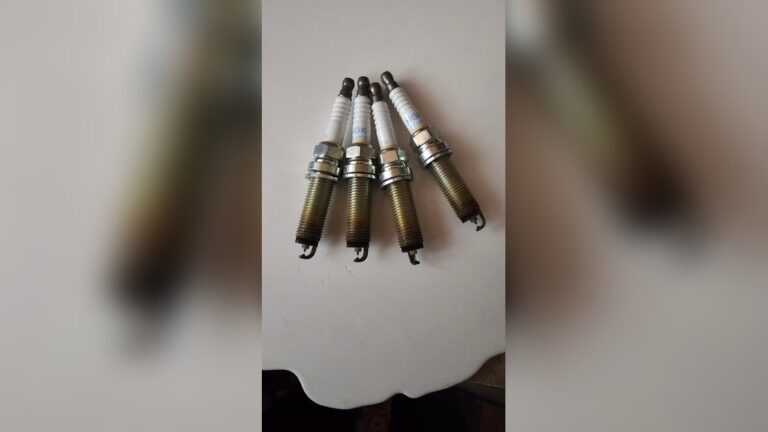
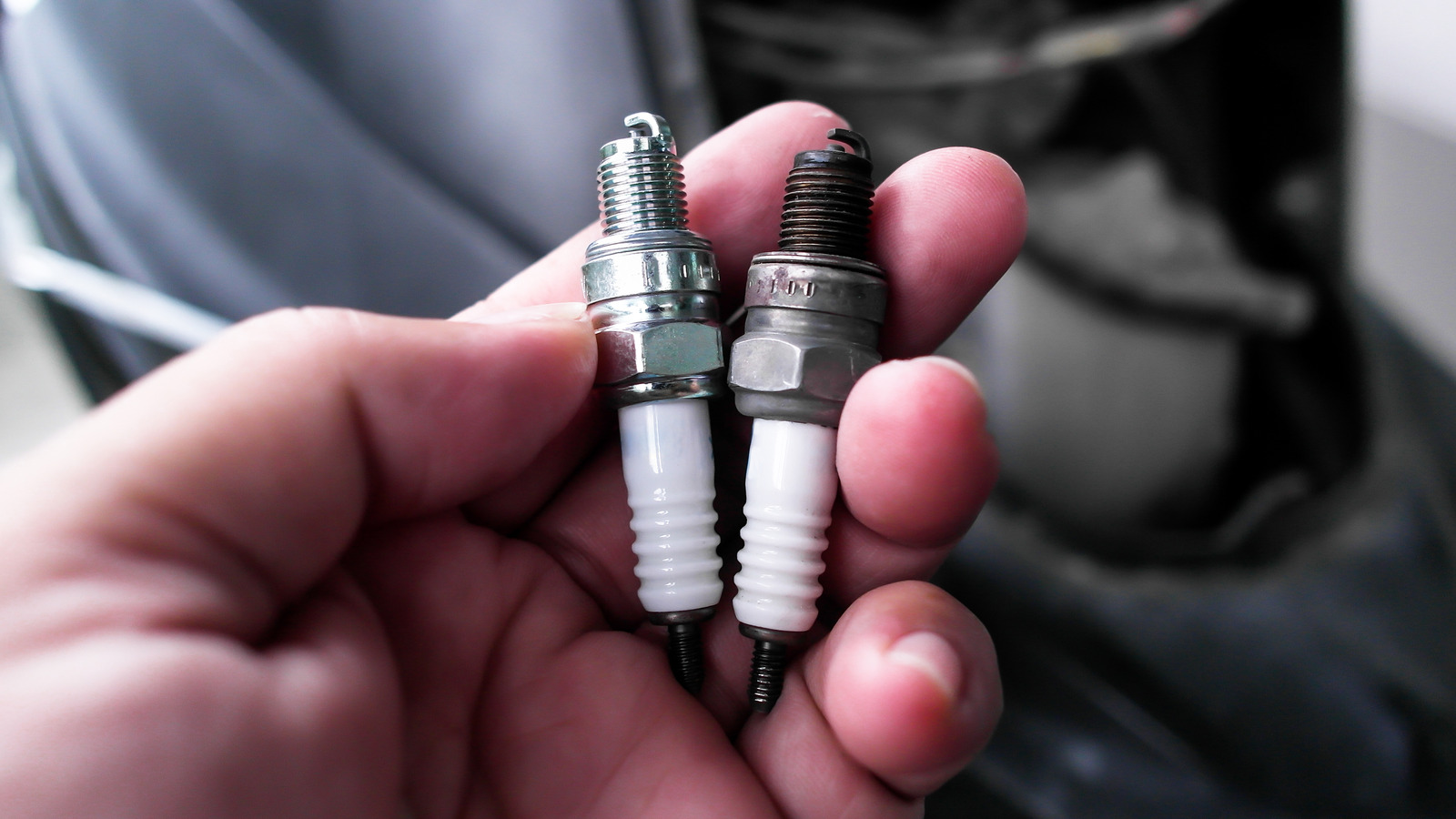
Look at the spark plug’s metal tip. If it appears rounded or worn down, the plug may not spark well. Cracks on the ceramic part also indicate damage. Replace plugs that show heavy wear to avoid engine misfires.
Identify Deposits
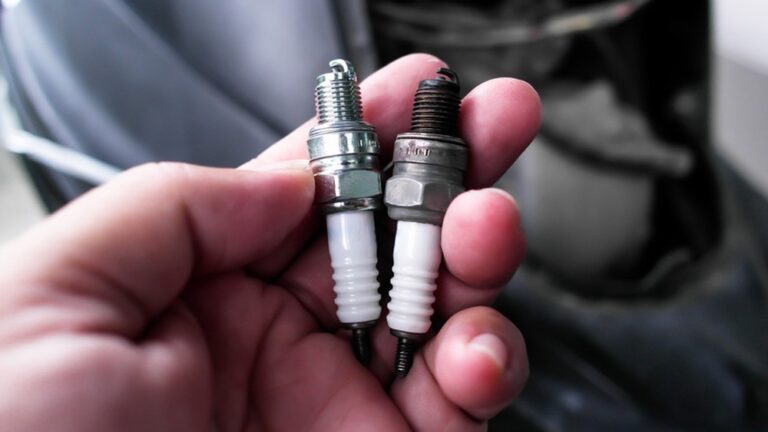
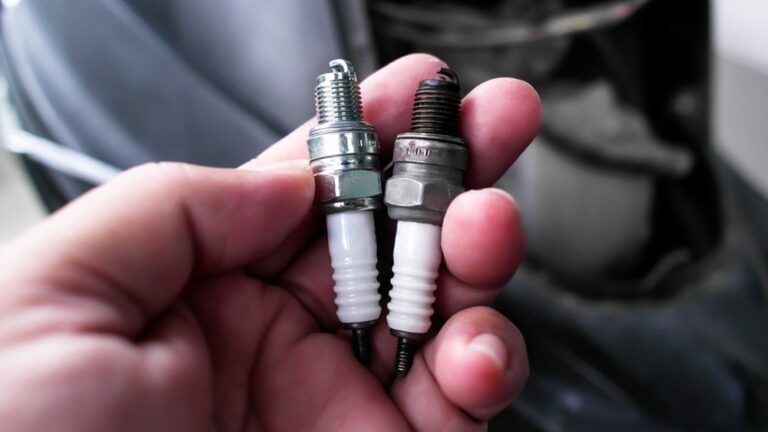
Check for any build-up on the spark plug’s surface. Black, oily deposits often mean oil is leaking into the engine. White or light-colored deposits suggest fuel issues. Clean or replace plugs with heavy deposits to maintain good engine performance.
Assess Electrode Gap
The gap between the electrodes affects the spark size. Use a gap tool to measure this space. If the gap is too wide or too narrow, it can cause poor ignition. Adjust the gap to the car maker’s recommended size for best results.

Credit: www.youtube.com
Clean Or Replace Plugs
Checking your car’s spark plugs helps keep the engine running well. After inspection, you must decide to clean or replace them. Clean plugs can last longer and work better. Sometimes, replacing plugs is the best choice to avoid engine problems.
Cleaning Methods
Start by removing dirt and carbon buildup on the plug’s tip. Use a wire brush to clean the metal parts carefully. Avoid damaging the ceramic insulator during cleaning. You can also use a spray cleaner made for spark plugs. After cleaning, dry the plugs completely before reinstalling.
When To Replace
Replace plugs if they are cracked or worn out. Look for heavy deposits that cleaning cannot remove. If the spark plug’s gap is too wide or the electrode is damaged, it needs replacement. Also, replace plugs after reaching the mileage limit set in your car manual. New plugs improve fuel efficiency and engine power.
Reinstall Spark Plugs
After checking and cleaning the spark plugs, the next step is to reinstall them properly. This step is important for your car to run smoothly. Incorrect reinstallation can cause engine problems or damage to the spark plugs. Follow the right steps to ensure a secure and safe fit.
Proper Torque
Use a torque wrench to tighten the spark plugs. Tighten them to the car maker’s recommended torque. Too tight can break the plug or damage the engine. Too loose may cause poor performance or misfires. Turn the spark plug slowly and stop when you reach the right torque.
Reattaching Wires
Attach the spark plug wires or ignition coils carefully. Push the wire boot firmly onto the spark plug tip. You should feel or hear a click. Check each wire is connected to the right spark plug. Loose or wrong wires cause engine problems and misfires.
Test The Engine
Testing the engine after checking spark plugs helps find issues fast. It shows if the plugs work well or need change. Simple steps let you hear and feel how the engine runs.
Starting The Car
Turn the key or press the start button. Listen to the engine sound closely. A smooth start means the spark plugs ignite fuel correctly. If the engine hesitates or sputters, the plugs might be dirty or worn out.
Notice any strange noises like knocking or coughing. These sounds can signal spark plug problems. Also, watch for the engine taking longer to start than usual.
Performance Check
Drive the car slowly and feel how the engine behaves. A steady and strong engine means good spark plug performance. If the engine misfires or feels weak, check the plugs again.
Pay attention to rough idling or sudden power loss. These are signs that spark plugs need cleaning or replacement. Testing the engine helps keep your car running smoothly and saves money on repairs.
Frequently Asked Questions
How Often Should I Check Spark Plugs In My Car?
You should check spark plugs every 30,000 miles or as your car manual suggests. Regular checks ensure optimal engine performance and fuel efficiency.
What Tools Do I Need To Check Spark Plugs?
You need a spark plug socket, ratchet wrench, and a gap gauge. These tools help safely remove and inspect spark plugs for wear and damage.
How Can I Tell If A Spark Plug Is Bad?
Look for signs like black soot, worn electrodes, or cracked insulator. These indicate poor spark plug condition affecting engine performance and fuel economy.
Can I Check Spark Plugs Without Removing Them?
Visual inspection is limited without removal. Removing spark plugs provides a thorough check for wear, deposits, and proper gap.
Conclusion
Checking spark plugs helps keep your car running smooth. Clean and properly working plugs improve engine performance. Regular checks can save money on repairs later. It only takes a few minutes and basic tools. Know the signs of worn or damaged spark plugs.
Replace them when needed to avoid engine trouble. Keep your car healthy with simple maintenance steps like this. Easy, smart care makes driving safer and more reliable.