
Your car’s spark plugs play a small but crucial role in keeping your engine running smoothly. If they’re worn out or damaged, you might notice problems like rough idling, poor fuel efficiency, or trouble starting your car.
But how do you know exactly when it’s time to change or replace them? Knowing the right signs and timing can save you from costly repairs and keep your car performing at its best. You’ll discover the key indicators that tell you it’s time for new spark plugs and learn how to handle this simple but important maintenance task.
Keep reading to make sure your car stays reliable and efficient.
Signs Of Worn Spark Plugs
Worn spark plugs can cause many problems in your car’s engine. They affect how well the engine runs and can lead to bigger issues if ignored. Knowing the signs of worn spark plugs helps you decide when to change or replace them. This keeps your car running smoothly and saves money on repairs.
Engine Misfires
One common sign of worn spark plugs is engine misfires. The engine may hesitate or skip while driving. This happens because the spark plugs do not ignite the fuel properly. Misfires reduce engine power and make driving unsafe.
Poor Fuel Economy
Worn spark plugs cause poor fuel economy. Your car uses more fuel than normal. This happens because the engine burns fuel inefficiently. Replacing spark plugs can improve your miles per gallon quickly.
Difficulty Starting
Cars with bad spark plugs often have trouble starting. The engine may take longer to turn on or fail to start. This happens because the spark plugs cannot create a strong enough spark. Changing the plugs usually fixes this issue.
Rough Idling
Rough idling is another sign of worn spark plugs. The engine shakes or runs unevenly when the car is stopped. This can feel like vibrations inside the car. Smooth idling means the spark plugs are working well.

Credit: www.reddit.com
Spark Plug Lifespan
Spark plugs are vital for your car’s engine to run smoothly. They create the spark that ignites the fuel in the engine. Knowing the lifespan of spark plugs helps you maintain your car’s health. Different types of spark plugs last for different lengths of time. This affects how often you need to change or replace them.
Standard Spark Plugs
Standard spark plugs usually last about 20,000 to 30,000 miles. They have copper cores and a nickel alloy electrode. These plugs wear out faster because the materials degrade quickly. You might notice rough idling or poor fuel economy when they wear out. Regular checks and timely replacement keep the engine running well.
Long-life Spark Plugs
Long-life spark plugs can last between 40,000 and 60,000 miles. They often use better materials like platinum or special alloys. These plugs resist wear better than standard ones. They save you time and money by needing fewer replacements. Cars with long-life plugs usually run more efficiently over time.
Iridium And Platinum Plugs
Iridium and platinum spark plugs last the longest, often over 60,000 miles. Iridium is harder and more durable than platinum. These plugs provide a stronger spark and better fuel combustion. They improve engine performance and reduce emissions. Their higher cost matches their longer lifespan and better results.
Factors Affecting Replacement Frequency
Several factors influence how often you need to change spark plugs. Knowing these helps keep your car running smoothly. Replacement frequency varies based on how you drive, your engine type, and your care habits.
Driving Conditions
Harsh driving wears spark plugs faster. Stop-and-go traffic causes more stress on the engine. Short trips do not allow plugs to heat properly. Dusty or dirty roads add extra wear. Long highway drives are easier on spark plugs. Consider your usual driving environment when planning replacements.
Engine Type
Different engines use different spark plugs. High-performance engines need spark plugs changed more often. Older engines may require more frequent replacements. Modern engines with advanced technology last longer. Check your car manual for specific spark plug types. Engine design directly affects spark plug life.
Maintenance Habits
Regular maintenance extends spark plug life. Timely oil changes prevent plug fouling. Clean air filters help spark plugs work well. Ignoring engine problems damages spark plugs quickly. Routine inspections catch issues early. Good habits save money and improve engine health.

Credit: www.sundevilauto.com
How To Inspect Spark Plugs
Knowing how to inspect spark plugs helps keep your car running well. Spark plugs play a key role in your engine’s performance. Regular checks can prevent bigger problems later.
Inspecting spark plugs is simple. You only need a few tools and some basic knowledge. Start by removing the spark plugs carefully. Then, look at their condition closely. Check their shape, color, and gap size.
Visual Check
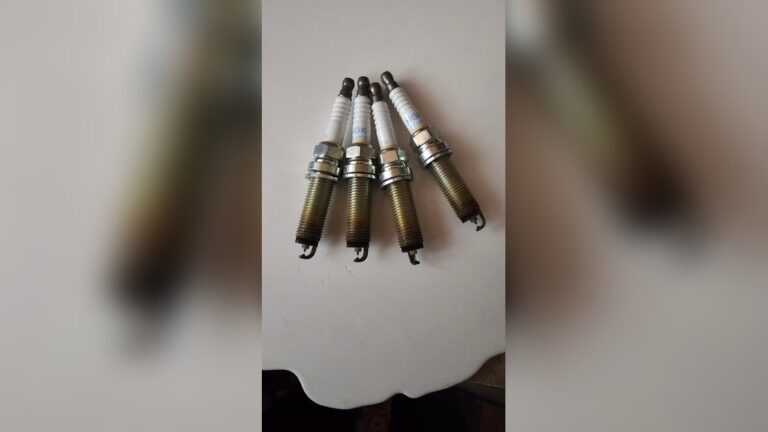
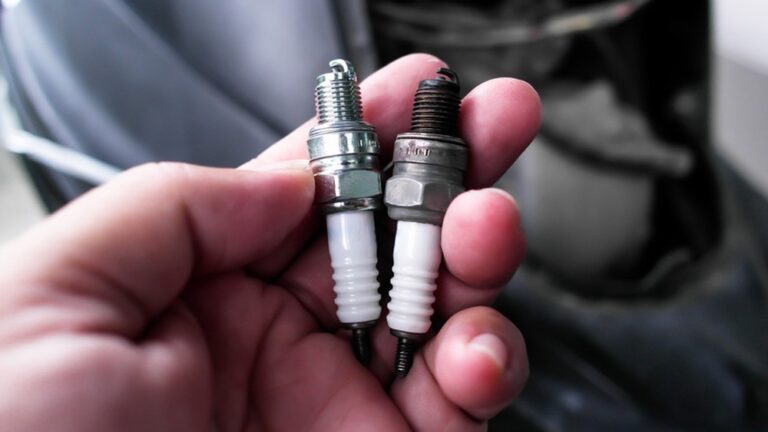
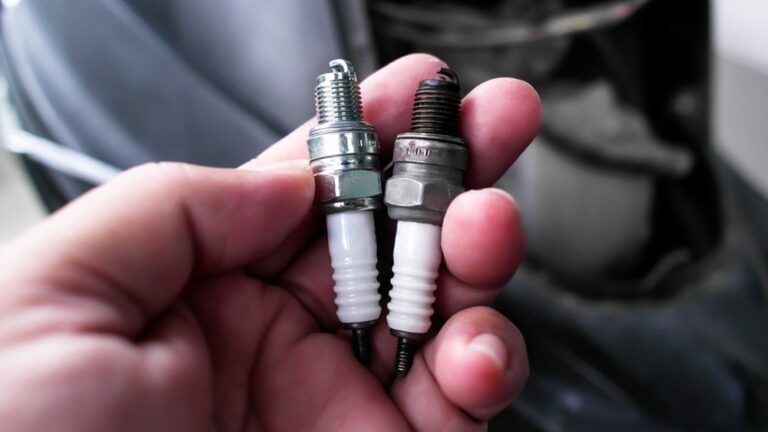
Look at the spark plug’s tip and body. It should be clean and dry. A light tan or gray color is normal. Black, oily, or white deposits show problems. Rust or cracks mean the plug needs replacement.
Gap Measurement
Measure the gap between the center and side electrodes. Use a feeler gauge for accuracy. The correct gap size is in your car manual. A wrong gap causes poor engine performance. Adjust or replace the spark plug if needed.
Signs Of Damage
Cracks, chips, or burned electrodes are signs of damage. Worn or rounded electrodes reduce spark efficiency. Carbon buildup or oil fouling also harm performance. Replace damaged spark plugs to avoid engine issues.
Steps To Replace Spark Plugs
Replacing spark plugs is a simple task that can improve your car’s performance. The process involves a few clear steps. Follow these steps carefully to ensure the job is done right. Proper replacement helps your engine run smoothly and saves money on repairs.
Tools Needed
Gather all necessary tools before starting. You will need a spark plug socket, a ratchet wrench, and an extension bar. A gap gauge is important to check the spark plug gap. Use a torque wrench to tighten plugs correctly. Also, keep a pair of gloves and safety glasses handy.
Removal Process
Start by letting the engine cool down completely. Remove the spark plug wire or coil pack carefully. Use the spark plug socket and ratchet to loosen and remove the old spark plug. Turn the socket counterclockwise to unscrew the plug. Handle the spark plug gently to avoid damage.
Installation Tips
Check the gap on the new spark plugs with a gap gauge. Adjust the gap if needed to match your car’s specifications. Screw the new spark plug in by hand to avoid cross-threading. Then tighten it with a torque wrench to the correct torque. Reattach the spark plug wire or coil pack firmly. Double-check all connections before starting the engine.
Benefits Of Timely Spark Plug Replacement
Replacing spark plugs on time keeps your car running smoothly. Old spark plugs can cause many problems. Changing them helps avoid engine trouble and keeps your vehicle in good shape. Here are some clear benefits of timely spark plug replacement.
Improved Performance
Fresh spark plugs create a strong spark for combustion. This spark helps the engine run better and faster. Your car will start easily and run smoothly. You will notice less hesitation or rough idling during drives.
Better Fuel Efficiency
Clean spark plugs burn fuel more completely. This means your car uses less gas to travel the same distance. You save money on fuel and reduce trips to the gas station. Efficient fuel use is good for your wallet and the environment.
Reduced Emissions
New spark plugs lower harmful gases from your car. Proper combustion means fewer pollutants escape into the air. This helps keep the air cleaner and meets emission standards. Changing spark plugs is a simple way to reduce pollution.

Credit: www.reddit.com
Frequently Asked Questions
How Often Should Spark Plugs Be Replaced?
Spark plugs typically last 30,000 to 100,000 miles. Check your vehicle’s manual for exact intervals. Regular replacement ensures smooth engine performance and fuel efficiency.
What Are Signs Of Worn Spark Plugs?
Worn spark plugs cause rough idling, misfires, poor acceleration, and reduced fuel economy. If you notice these, inspect or replace your spark plugs promptly.
Can Bad Spark Plugs Damage The Engine?
Yes, bad spark plugs can cause engine misfires and damage catalytic converters. Timely replacement prevents costly engine repairs and maintains optimal vehicle performance.
How To Check Spark Plugs Condition?
Remove and inspect spark plugs for wear, carbon buildup, or oil deposits. Clean or replace them if they look damaged or excessively dirty.
Conclusion
Changing or replacing spark plugs keeps your car running smoothly. Worn plugs can cause poor fuel efficiency and engine trouble. Check them regularly based on your car’s manual or signs of wear. Clean or replace plugs before problems start. This simple step saves money and avoids breakdowns.
Keep your engine healthy and enjoy a better drive. Spark plugs matter more than you think. Don’t wait until your car struggles to start or runs rough. Regular care makes a big difference.