
Have you ever wondered what happens to your car after the airbags deploy? It’s a stressful moment, and once the airbags go off, you might feel lost about what comes next.
Can you really fix your car and get it back on the road safely? This question is important because your safety and your wallet depend on the right answers. You’ll discover what it takes to repair a car after airbags deploy, how much it might cost, and whether it’s worth the effort.
Keep reading to find out how you can make the best decision for your vehicle and peace of mind.
Airbag Deployment Basics
Airbags play a key role in car safety. Understanding airbag deployment basics helps you grasp what happens during a crash. This knowledge also explains the steps needed to fix a car after airbags deploy.
Airbags are not simple bags. They are smart safety devices that react fast to protect passengers. Let’s explore how they work and what triggers their deployment.
How Airbags Work
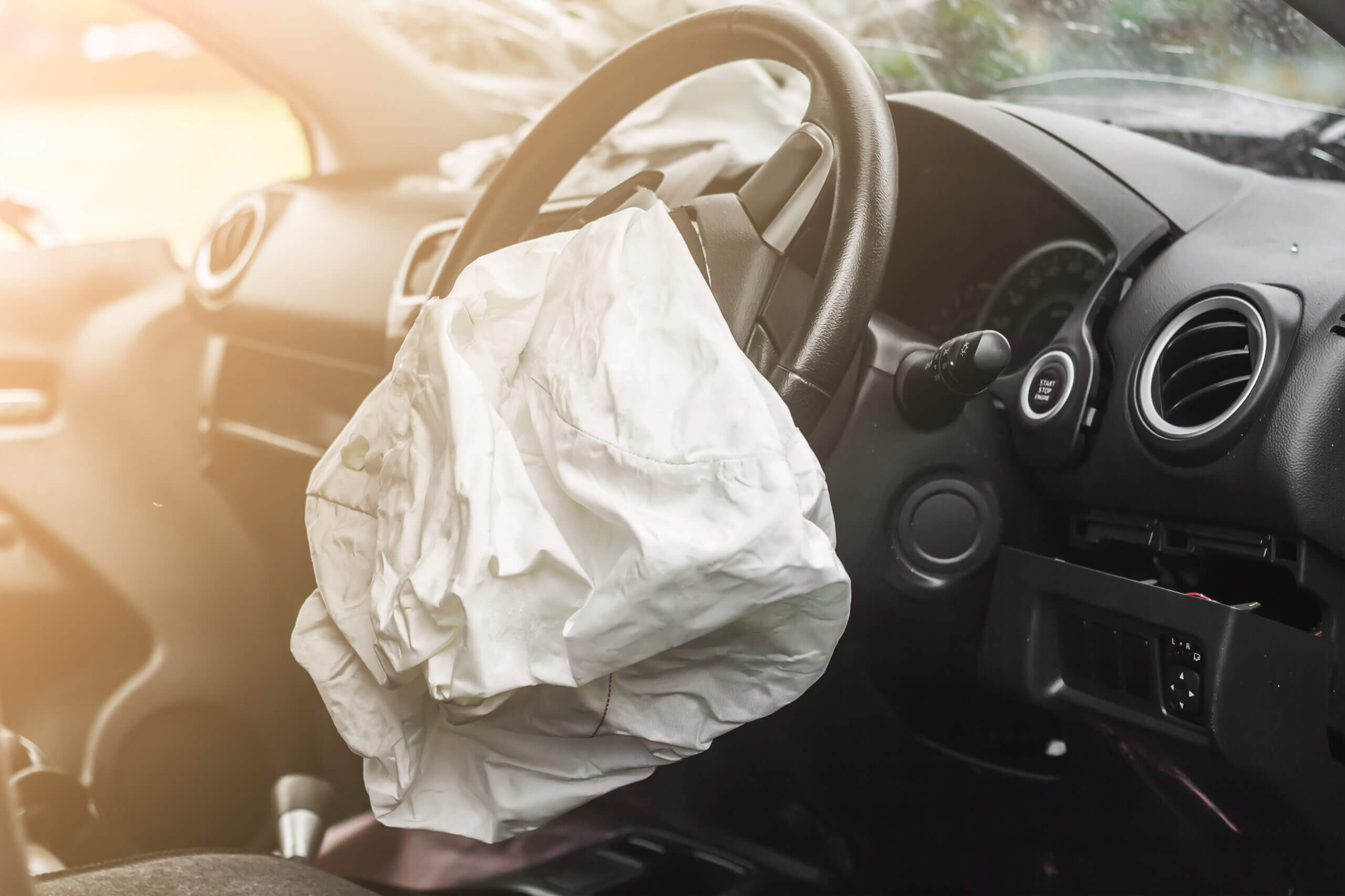
Airbags are cushions inside the car. They sit in the steering wheel, dashboard, seats, and sometimes doors. During a crash, sensors detect a sudden stop. The airbag inflates quickly, in about 20 to 30 milliseconds. It fills with gas to create a soft barrier. This stops the passengers from hitting hard surfaces. After the impact, the airbag deflates so passengers can move.
What Triggers Deployment
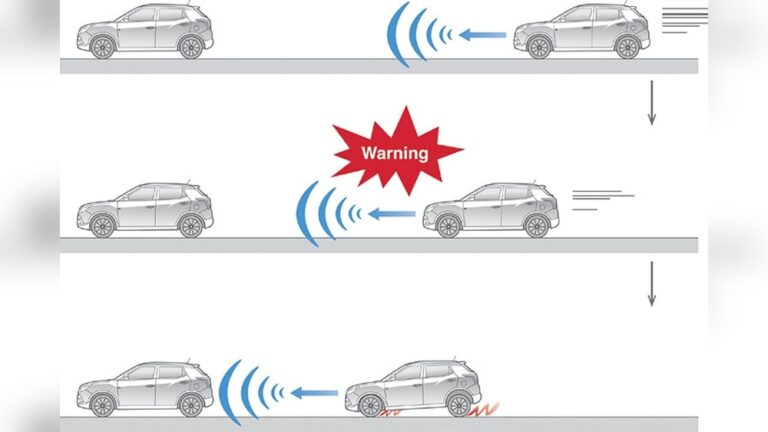
Crash sensors measure the force and speed of a collision. The system decides if the crash is strong enough to need airbags. Usually, front or near-front impacts cause airbags to deploy. The sensors send a signal to the airbag module. This activates a small explosion that fills the airbag with gas. Side or curtain airbags deploy in side impacts. Not all crashes trigger airbags. Minor bumps or low-speed hits usually do not activate the system.
Assessing Damage After Deployment
After airbags deploy in a crash, checking the damage is key. The airbags protect you, but they also show that your car took a hard hit. It is important to understand the different types of damage. Some damage you can see right away. Other problems hide deep inside the car.
Visible Interior Damage
Airbags often leave marks inside the car. The dashboard, steering wheel, and seats might tear or crack. The fabric or plastic parts can get scratched or broken. This damage is clear and easy to spot. Fixing these parts usually means replacing them.
Hidden Mechanical Issues
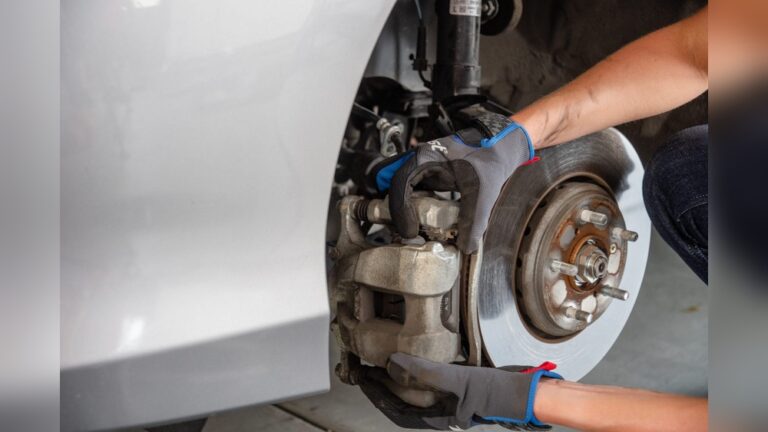
Damage may not show on the surface. The impact can harm parts under the hood. Sensors and wiring might break. The steering system or brakes could be affected. These issues need a careful check by a mechanic. Ignoring hidden damage can make the car unsafe.
Safety System Status
Airbags are part of a bigger safety system. After deployment, the system needs a full reset or repair. The seatbelt pretensioners may also need checking. The control module that manages airbags often requires replacement. Ensuring the system works right is vital for your safety.
Repairing Airbag Systems
Repairing airbag systems is a key step after a car accident. Airbags protect passengers, but they do not work again after deployment. Fixing these systems restores safety and ensures the car meets legal standards.
This process involves more than just replacing airbags. It requires careful work on sensors and control modules. Proper repair helps avoid future malfunctions and keeps the airbag system ready.
Replacing Airbags
Airbags deploy only once. After that, they must be replaced. Replacement airbags come from the car manufacturer or trusted suppliers. The process involves removing the old airbags from the steering wheel, dashboard, or seats. Technicians install new airbags with care to ensure they fit and work correctly.
Resetting Sensors And Modules
Airbag sensors and control modules often trigger deployment. These parts record the crash and control the airbag system. After deployment, the sensors and modules need resetting or replacing. Technicians use special tools to clear error codes. This step resets the airbag light on the dashboard and prepares the system for future use.
Cost Of Airbag Repairs
Airbag repairs can be expensive. The cost depends on the car model and damage extent. Replacing airbags is costly because of parts and labor. Resetting sensors and modules adds to the price. Insurance may cover some or all repair costs. Always get a detailed estimate before repair work starts.

Credit: www.reddit.com
Body And Structural Repairs
Body and structural repairs are crucial after airbags deploy in a crash. The impact that triggers the airbags often causes damage to the car’s frame and body panels. Fixing these parts restores the car’s safety and appearance. This process involves careful inspection and expert work to ensure the vehicle is safe to drive again.
Proper repairs protect the car’s structure and keep it strong. This work must meet safety standards to prevent future problems. Skilled technicians use special tools and techniques to fix the frame and body correctly.
Frame And Panel Damage
The frame is the car’s main support. Collisions that activate airbags often bend or crack the frame. Straightening or replacing the frame is essential. Body panels, like doors and fenders, may also get dented or broken. Repair shops match new panels to the car’s original parts. They remove damaged parts and install new ones carefully.
Electrical System Checks
Airbag deployment can damage the car’s electrical system. Wiring and sensors near the airbags may fail or short circuit. Technicians test all electrical parts to find problems. They repair or replace faulty wires and connectors. This step ensures airbags and other safety features work properly after repairs.
Paint And Finish Touch-ups
Repaired panels need fresh paint to look new again. Paint matching is important to blend repairs with the original color. Professionals use modern paint techniques for a smooth finish. Clear coats protect the paint from weather and damage. Proper finishing makes the car look like it did before the crash.
Safety Inspections After Repair
After airbags deploy and repairs are done, safety inspections become essential. These checks ensure the vehicle is safe to drive again. They help confirm that all systems work properly and meet safety standards.
Safety inspections protect drivers and passengers. They prevent future accidents caused by hidden damage. Proper testing also restores confidence in the vehicle’s performance.
Professional Diagnostic Tests
Special diagnostic tools scan the car’s electronic systems. They detect issues in airbags, sensors, and control units. These tests show if all airbag components function correctly. Any faults can be found and fixed early. Professionals use these tests to ensure full system readiness.
Roadworthiness Certification
This certification proves the car meets legal safety standards. Inspectors check brakes, lights, tires, and structural integrity. They verify that repairs restored the vehicle’s safety. A certified car is safe to use on public roads. This step is crucial after major repairs like airbag deployment.
When Replacement Is Necessary
Airbag deployment signals a serious impact on your car. Sometimes, fixing the vehicle is not enough. Replacement becomes necessary to ensure safety and proper function. This section explains when you must replace parts or the entire car after airbags deploy.
Severe Structural Damage
Airbags deploy only in strong collisions. These impacts often harm the car’s frame. If the frame bends or cracks, repairs may not restore strength. Structural damage can make the car unsafe to drive. Replacing the vehicle or major parts may be the only option.
Economic Considerations
Repair costs can rise quickly after airbags deploy. Parts and labor add up fast. Sometimes, repair expenses exceed the car’s value. In such cases, replacement is a smart choice. It saves money and avoids future problems. Assess costs before deciding on repairs.
Insurance Company Guidelines
Insurance companies often set rules after airbag deployment. They may declare a car a total loss if damage is too high. Insurance may cover replacement but limit repairs. Follow their guidelines to avoid surprises. Consult your insurer early in the process.
Preventing Future Airbag Issues
Airbags save lives by protecting drivers and passengers during crashes. After airbags deploy, fixing the car is crucial. Preventing future airbag issues helps keep safety systems ready. Taking simple steps avoids costly repairs and dangerous failures.
Regular Vehicle Maintenance
Regular vehicle maintenance is key to airbag safety. Check your car’s airbag system at service visits. Mechanics can spot problems early with diagnostic tools. Keep your car’s battery healthy. A weak battery may cause airbag errors. Replace worn parts that support airbags, like sensors and wiring. Follow the car maker’s maintenance schedule closely.
Recognizing Warning Signs
Warning signs often show before airbag problems arise. Watch for an airbag warning light on the dashboard. Do not ignore this light; it means the system needs attention. Strange sounds or smells near airbags can signal trouble. Unusual dashboard behavior may also hint at issues. Report these signs to a mechanic promptly. Early action protects you and your passengers.
Credit: nationalautocollisioncenters.com

Credit: www.erlawyers.com
Frequently Asked Questions
Can Airbags Be Replaced After Deployment?
Yes, airbags can be replaced after deployment. This requires professional inspection and installation of new airbags and related components. Always use certified parts to ensure safety and proper function.
Is It Safe To Drive After Airbags Deploy?
It is not safe to drive immediately after airbags deploy. The vehicle may have hidden damages. Get a full safety inspection before driving.
How Much Does Airbag Replacement Typically Cost?
Airbag replacement costs vary but usually range from $1,000 to $3,000. This includes parts and labor. Costs depend on the car model and damage severity.
Can Insurance Cover Airbag Repair Expenses?
Most comprehensive insurance policies cover airbag repairs after an accident. Check your policy details and file a claim promptly to cover repair costs.
Conclusion
Fixing a car after airbags deploy is possible but not simple. Airbags protect you, but they also need careful replacement. Damage to other parts may also need repair. Always check with a trusted mechanic for a full assessment. Safety must come first to keep you protected on the road.
Taking time to fix the car properly saves trouble later. Not every car is worth fixing after a crash. Think about costs, safety, and how much you want to keep the car. The right choice depends on your situation and needs.