
Have you ever tried to start your car on a freezing morning, only to find it won’t turn over? You might wonder, can a car battery die from cold?
The answer is yes—and understanding why this happens can save you from being stranded and frustrated. You’ll discover how cold weather affects your battery, what signs to watch for, and simple steps you can take to keep your car running smoothly when temperatures drop.
Keep reading to make sure your car battery doesn’t let you down when you need it most.
How Cold Affects Car Batteries
Cold weather can be tough on car batteries. Low temperatures slow down the chemical reactions inside. This makes it harder for the battery to work well. The cold can lower the battery’s power and make starting your car difficult. Understanding how cold affects batteries helps you prepare for winter challenges.
Here is a deeper look at what happens inside your battery when the temperature drops.
Battery Chemistry In Low Temperatures
Car batteries rely on chemical reactions to create electricity. Cold slows these reactions down. The battery’s acid becomes thicker and less active. This means fewer charged particles move inside the battery. A slow reaction reduces the battery’s ability to deliver power.
Impact On Battery Capacity
Battery capacity drops in cold weather. It can lose up to half of its strength at freezing temperatures. Less capacity means the battery holds less energy. This reduces how long the battery can power your car without recharging. A weak battery struggles more during cold days.
Starting Power Reduction
Cold weather cuts the battery’s starting power. The engine needs more energy to start in winter. Thick oil and cold metal parts demand more from the battery. A battery with less power may fail to crank the engine. This causes slow or no starts on cold mornings.
Common Signs Of A Cold-related Battery Failure
Cold weather puts extra stress on car batteries. Many batteries fail because cold slows chemical reactions inside. This reduces battery power. Knowing the signs of cold-related battery failure helps avoid getting stranded. Watch out for these common symptoms.
Slow Engine Crank
The engine turns over slowly or struggles to start. Cold thickens engine oil, making the engine harder to crank. A weak battery cannot provide enough power. This causes slow or labored engine cranking. It may take several tries to start the car.
Dim Lights
Headlights or interior lights appear dull or weaker than usual. A cold battery delivers less power to electrical parts. Dim lights show the battery is low on energy. This sign often appears before the car fails to start.
Electrical System Issues
Other electrical devices may act strangely or stop working. Power windows, radio, or dashboard lights can flicker or fail. The battery struggles to support these systems in cold weather. Electrical glitches signal battery trouble ahead.
Preventing Battery Problems In Winter
Winter cold can strain your car battery. Low temperatures slow chemical reactions inside the battery. This can reduce its power and make starting the car hard. Taking steps to protect your battery helps avoid problems during winter. Simple actions can keep your battery healthy and reliable.
Regular Battery Maintenance
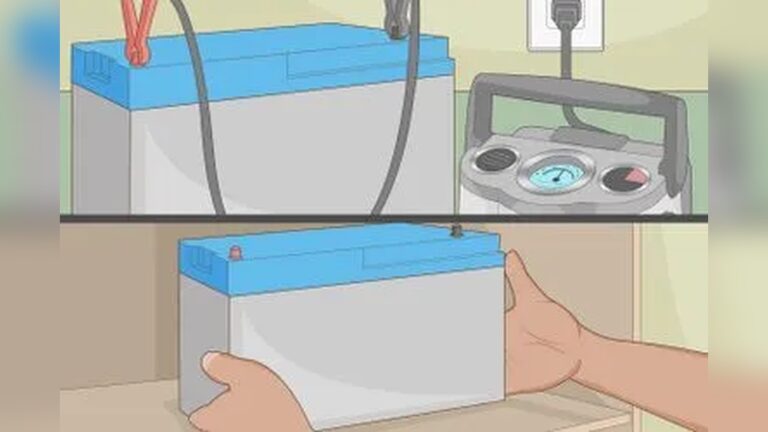
Check your battery regularly for dirt and corrosion. Clean the terminals with a wire brush if needed. Tighten loose connections to ensure good contact. Test the battery voltage with a multimeter. Replace the battery if it shows weak power. Maintenance keeps your battery strong and ready.
Using Battery Warmers
Battery warmers keep the battery temperature stable in cold weather. They prevent the battery from freezing and losing power. Wrap the battery with an electric blanket designed for cars. Plug it in before extreme cold nights. Warmers help the battery work better on cold mornings.
Parking Strategies
Park your car in a garage to avoid harsh weather. If no garage, try to park near a building or wall. These spots block wind and cold air. Avoid parking on grass or dirt; cold seeps from the ground. Smart parking can protect your battery from freezing cold.
Credit: www.autozone.com
When To Replace Your Battery
Knowing when to replace your car battery helps avoid unexpected breakdowns. Cold weather can strain batteries and reduce their power. Watch for signs your battery is weakening. Act early to keep your car running smoothly.
Age And Performance Indicators
Car batteries usually last three to five years. Cold weather can shorten this life. If your battery is over three years old, watch closely. Slow engine starts or dim headlights may signal trouble. Check for corrosion on battery terminals too. These signs mean your battery may need replacing soon.
Testing Battery Health
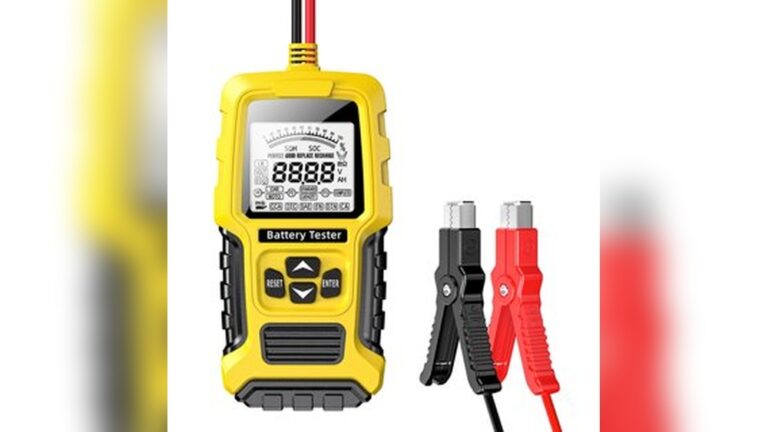
Battery testing gives a clear picture of its condition. Mechanics use special tools to measure voltage and cold cranking amps. You can also buy simple testers for home use. A healthy battery shows around 12.6 volts or more when the engine is off. Lower readings can indicate a weak battery. Regular testing helps catch problems early before cold days hit.
Choosing The Right Battery For Cold Climates
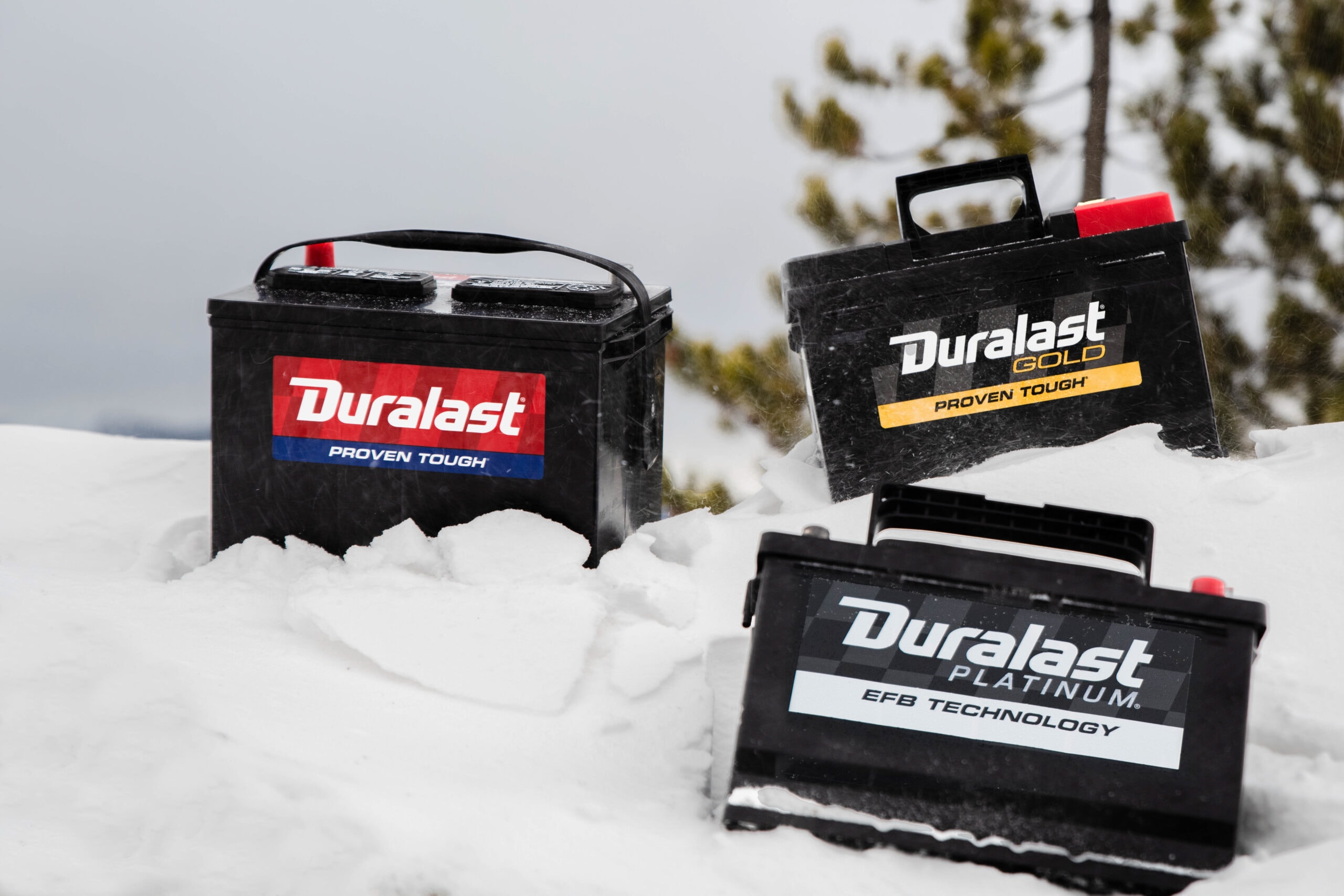
Cold climates demand batteries that start well in low temperatures. Look for batteries with high cold cranking amps (CCA). Higher CCA means better starting power in winter. Choose a battery designed for your climate zone. Sealed or maintenance-free batteries resist corrosion better. Proper choice ensures your car starts reliably on cold mornings.
Emergency Tips For Cold Weather Battery Failures
Cold weather can cause car batteries to fail without warning. This can leave you stranded and frustrated. Knowing how to handle battery problems in winter saves time and stress. Quick action helps get your car running again.
Here are some important tips for dealing with cold weather battery failures safely and effectively.
Jump-starting Your Car Safely
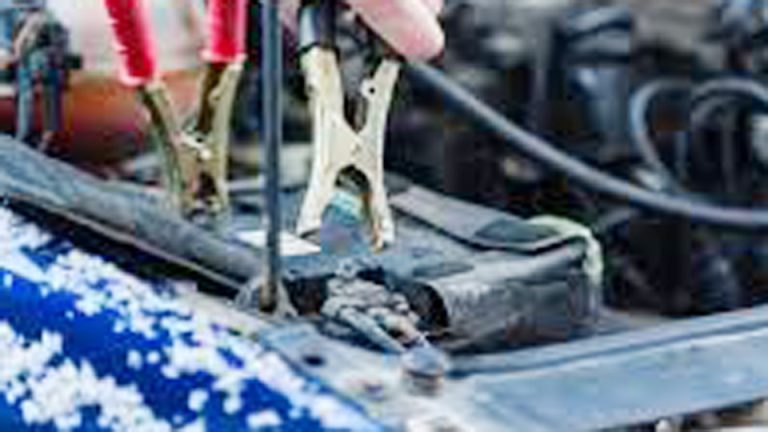
Use jumper cables and a working car to jump-start your battery. Connect positive clamps to positive terminals first. Then attach negative clamps to a metal part of the dead car. Avoid connecting cables directly to the battery’s negative terminal. Start the working car and let it run for a few minutes. Then try starting your car. Remove cables in reverse order. Wear gloves and eye protection to stay safe.
Keeping Backup Power Sources
Carry a portable jump starter in your car. It provides quick power without needing another vehicle. Keep it charged and ready to use. A small power bank can also help with emergency phone charging. These tools increase your chances of staying safe in cold weather.
Avoiding Common Mistakes
Don’t ignore warning signs like slow engine cranking. Avoid leaving lights on while the engine is off. Never try to jump-start a frozen battery. Avoid mixing old and new batteries. Regularly check battery terminals for corrosion. These simple actions prevent many cold weather battery issues.
Credit: www.carsparetips.com

Credit: www.youtube.com
Frequently Asked Questions
Can Cold Weather Kill A Car Battery?
Yes, cold weather can reduce a battery’s capacity and cause it to die. Low temperatures slow chemical reactions, decreasing battery power. This makes starting the engine difficult, especially for older batteries.
Why Do Car Batteries Fail In Winter?
Car batteries fail in winter due to reduced chemical activity and increased engine strain. Cold thickens engine oil, demanding more battery power. Weak or old batteries struggle to provide the necessary current.
How Can I Prevent Battery Failure In Cold?
Keep your battery fully charged and clean its terminals regularly. Park your car in a garage or use a battery warmer. Regular battery maintenance and checks help prevent cold-related failures.
Does A Dead Battery Mean It’s Cold Outside?
Not always. A dead battery can be due to age, poor maintenance, or cold weather. Cold conditions often expose existing battery weaknesses, leading to failure.
Conclusion
Cold weather can make car batteries lose power fast. Batteries work less well when it is very cold outside. This can cause your car not to start. Keep your battery charged and clean to help it last longer. Check it before winter comes.
Taking care of your battery saves you from surprises on cold mornings. Stay prepared and your car will start when you need it. Simple steps make a big difference in cold weather. Don’t let cold kill your battery’s power.