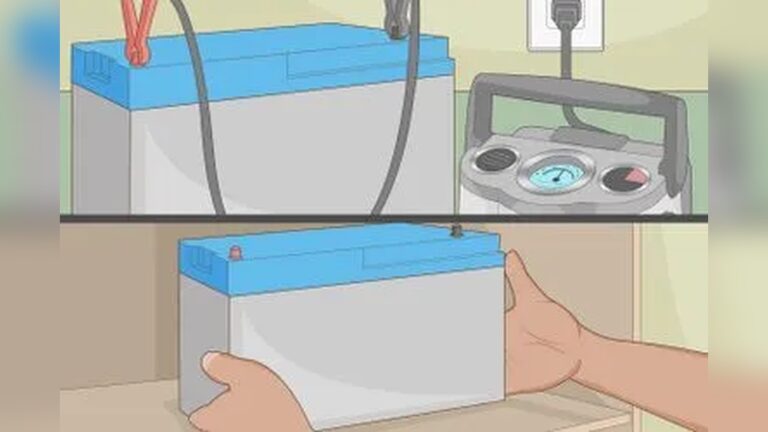

Have you ever wondered if your car battery can be recharged instead of replaced? Imagine being stuck somewhere, worried about the cost and hassle of buying a new battery.
What if you could bring it back to life with a simple solution? Understanding whether your car battery can be recharged not only saves you money but also extends the life of your vehicle. Keep reading to discover the truth about car battery recharging and how it might just be the quick fix you need.
How Car Batteries Work
Car batteries are vital for starting your vehicle and powering its electrical parts. Understanding how they work helps you keep them in good condition. This knowledge also explains how recharging a battery is possible and when it is needed.
Below, we explore the types of car batteries, their main components, and the role they play in your vehicle’s operation.
Types Of Car Batteries
Most cars use lead-acid batteries. These are affordable and reliable. There are two main types: flooded and sealed. Flooded batteries need water checks. Sealed batteries require less maintenance. Another type is the AGM battery, which handles power demands better. Each type suits different car needs.
Battery Components
A car battery has several parts. Plates made of lead and lead dioxide create a chemical reaction. Electrolyte, a mix of water and acid, allows electric flow. The battery case holds everything safely. Terminals connect the battery to the car’s electrical system. Each component works together to produce power.
Role In Vehicle Operation
The battery supplies power to start the engine. It also powers lights, radio, and other electronics when the engine is off. Once the engine runs, the alternator recharges the battery. A healthy battery ensures your car starts quickly. It also keeps all electrical parts working well.
Credit: www.dowleys.co.uk
Signs A Battery Needs Recharging
Knowing the signs a battery needs recharging helps avoid sudden car troubles. A battery that loses power can leave you stranded. Watching for clear symptoms lets you act before it’s too late.
Common Symptoms
The engine may turn slowly or not start at all. Lights inside the car can appear dim or flicker. Electronic devices might not work properly. Strange clicking noises when you turn the key are a warning. A battery that feels hot or smells like rotten eggs needs attention. These signs suggest the battery has low charge and needs recharging.
Testing Battery Health
Use a voltmeter to check the battery voltage. Healthy batteries usually show around 12.6 volts. Numbers below 12.4 volts mean the battery is weak. Many auto shops offer free battery tests. They check the charge and overall health quickly. Testing helps decide if recharging or replacement is necessary.
Methods To Recharge A Car Battery
Recharging a car battery is possible using several methods. Each method depends on the tools available and the battery’s condition. Understanding these ways helps you keep your car running smoothly. Here are the main methods to recharge a car battery.
Using A Battery Charger
A battery charger is a simple tool designed to recharge car batteries. Connect the charger to the battery terminals correctly. Make sure the charger matches the battery type. Switch on the charger and let it work until the battery is full. This method is safe and effective for most batteries.
Jump Starting Techniques
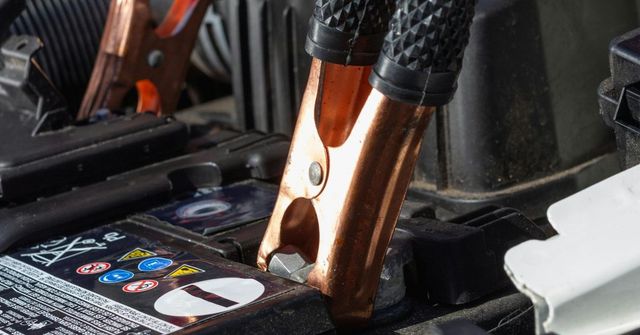
Jump starting uses another vehicle’s battery to start a dead battery. Connect the jumper cables between the two batteries. Follow the right order: positive to positive, negative to negative. Start the working car and then try to start the dead one. This method gives a quick boost but does not fully recharge the battery.
Alternator Charging
The alternator charges the battery while the engine runs. Driving the car allows the alternator to recharge the battery slowly. This method works best if the battery is only slightly drained. Long drives help the battery regain enough power to start the engine next time.

Credit: www.youtube.com
Safety Tips For Recharging
Recharging a car battery can be helpful but requires care. Safety is key to avoid accidents and damage. Follow important tips to protect yourself and your vehicle during charging.
Handling Batteries Safely
Wear gloves and eye protection before touching the battery. Car batteries contain acid that can cause burns. Work in a well-ventilated area to avoid harmful gas buildup. Keep flames and sparks far from the battery. Always disconnect the negative terminal first when removing the battery. Place the battery on a stable, flat surface during charging.
Avoiding Common Mistakes
Never charge a frozen or damaged battery. Use the correct charger type and settings for your battery. Avoid overcharging by monitoring the charge time. Connect charger clamps properly: positive to positive, negative to negative. Do not touch both clamps at once or allow them to touch each other. Check battery fluid levels and add distilled water if needed before charging.
When Recharging Isn’t Enough
Recharging a car battery can often solve power issues temporarily. But sometimes, charging alone does not fix the problem. Batteries wear out over time and lose their ability to hold a charge. Knowing when recharging is not enough helps avoid being stranded.
Battery Lifespan
Most car batteries last between three and five years. Heat, cold, and driving habits affect battery life. As a battery ages, its capacity to store energy drops. Even with regular recharging, an old battery may fail. Testing the battery regularly helps track its health.
Signs To Replace The Battery
Slow engine crank is a common sign of battery trouble. Dim headlights or electrical issues also point to battery problems. Frequent jump-starts mean the battery can no longer hold a charge. Corrosion around battery terminals affects performance. Replacing the battery ensures reliable car starts and smooth operation.
Maintenance Tips To Extend Battery Life
Car batteries need care to last longer. Proper maintenance helps keep them healthy and reliable. Simple steps can prevent early battery failure and save money. This section covers key tips to extend battery life.
Regular Inspection
Check the battery often for dirt, cracks, or leaks. Clean the terminals with a brush to remove corrosion. Tighten loose connections to ensure good contact. Spotting problems early avoids sudden battery failure.
Proper Storage
Store the battery in a cool, dry place if not in use. Avoid extreme heat or freezing cold, which can damage it. Keep the battery charged during storage to prevent it from dying. Use a trickle charger for long-term storage.
Preventing Drain
Turn off all lights and devices when the car is off. Avoid leaving electronics plugged in for long periods. A drained battery is harder to recharge and wears out faster. Regular use of the car helps keep the battery charged.
Credit: www.chapelhilltire.com
Frequently Asked Questions
Can A Car Battery Be Recharged At Home?
Yes, a car battery can be recharged at home using a battery charger. Ensure the charger is compatible and follow safety instructions. Avoid overcharging to extend battery life and prevent damage.
How Long Does It Take To Recharge A Car Battery?
Recharging a car battery typically takes 4 to 24 hours. The time depends on the charger type, battery capacity, and discharge level. Slow charging is recommended for better battery health.
Can A Dead Car Battery Be Fully Recharged?
A dead car battery can often be recharged if it’s not severely damaged. However, completely dead or old batteries may not hold charge well and might need replacement.
Is It Safe To Recharge A Car Battery Yourself?
Recharging a car battery yourself is safe if you follow all safety guidelines. Use proper equipment, work in a ventilated area, and avoid sparks or flames near the battery.
Conclusion
A car battery can often be recharged to extend its life. Using a proper charger and following safety steps helps a lot. Keep the battery clean and check fluid levels regularly. Sometimes, a battery may be too old or damaged to recharge.
In that case, replacement is the best option. Regular care prevents unexpected battery failure on the road. Simple actions save time and money. Knowing how to recharge a battery gives peace of mind during emergencies. Stay prepared and keep your car running smoothly.