
Have you ever turned the key in your car’s ignition, only to hear nothing but silence? It’s frustrating, especially when you’re in a hurry.
One common but often overlooked culprit behind this problem is corroded battery terminals. You might not realize it, but this simple issue can stop your car from starting altogether. You’ll discover how corrosion affects your battery’s performance and what you can do to fix it quickly.
Keep reading to learn how to get your car back on the road without hassle.

Credit: www.reddit.com
How Battery Terminals Affect Starting
Battery terminals play a key role in starting a car. They connect the battery to the car’s electrical system. If the terminals are clean and secure, the battery can send power easily.
Corroded or loose terminals block the flow of electricity. This makes it hard for the car to start. Understanding how battery terminals work helps explain why corrosion causes problems.
Role Of Battery Terminals
Battery terminals act as the bridge between the battery and the car. They allow electricity to travel from the battery to the starter motor. This power starts the engine.
Terminals must stay clean and tight. Dirt or corrosion on terminals stops electricity from passing through well. This reduces the battery’s power to the car’s starter.
Connection And Power Flow
Electricity flows through the terminals to the starter motor. A strong connection lets full power reach the engine. This makes the engine turn over quickly.
Corroded terminals create resistance. This resistance lowers the power flow. The starter motor gets less energy and may fail to start the engine.
Checking and cleaning battery terminals keeps the power flow smooth. This improves starting and avoids unexpected car problems.
Causes Of Terminal Corrosion
Battery terminal corrosion is a common issue that can stop your car from starting. The corrosion builds up on the battery terminals and blocks the flow of electricity. This section explains the main causes of terminal corrosion. Understanding these causes can help you prevent battery problems and keep your car running smoothly.
Chemical Reactions
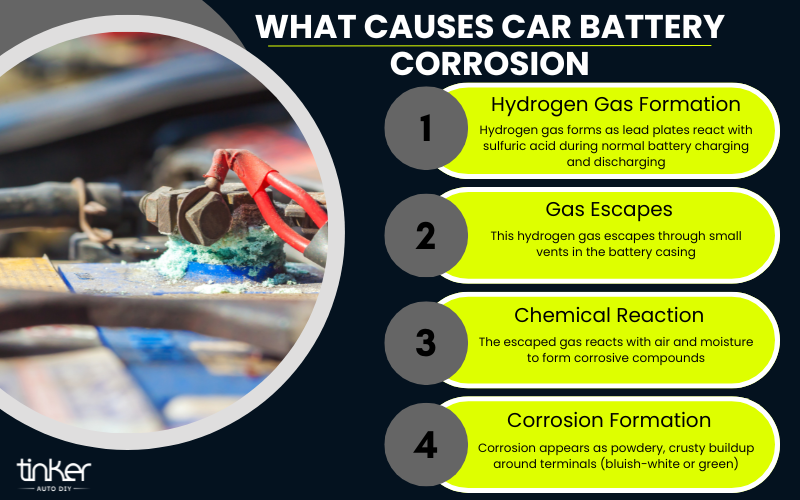
Corrosion happens due to chemical reactions between the battery acid and the metal terminals. Acid leaks from the battery can eat away at the metal. This creates a white, blue, or green powdery substance on the terminals. The corrosion stops the electrical current from passing through. This leads to a weak or no start of the car.
Environmental Factors
Weather and surroundings affect battery terminals. Hot and humid climates speed up corrosion. Rain and moisture cause rust and build-up on terminals. Dust and dirt also mix with battery acid to increase corrosion. Cars parked outside are more likely to have corroded terminals. Keeping the battery clean and dry helps reduce this risk.
Battery Age And Maintenance
Older batteries are more prone to corrosion. Over time, the battery acid breaks down and leaks. Poor maintenance, like not cleaning terminals, makes corrosion worse. Regular checks and cleaning can stop corrosion from growing. Replacing an old battery on time prevents starting problems and damage.
Symptoms Of Corroded Terminals
Corroded battery terminals can cause several noticeable problems in a car. These problems show up as signs that your battery connection is weak or damaged. Recognizing these symptoms early helps you avoid bigger issues. Here are some common signs of corroded battery terminals.
Slow Engine Crank
The engine turns over slowly when starting the car. It may take longer to start or feel weak. Corrosion blocks the flow of electricity from the battery to the engine. This makes the starter motor work harder. A slow crank often means poor battery contact.
Electrical Issues
Lights inside and outside the car may dim or flicker. Power windows and radios might not work properly. Corroded terminals reduce the electrical current. This causes inconsistent power delivery to your car’s systems. Electrical problems often point to battery connection trouble.
Warning Lights
The battery warning light or check engine light may appear on the dashboard. These lights signal a problem with the electrical system. Corrosion can cause voltage drops that trigger these warnings. Ignoring these lights can lead to a car that won’t start.
Credit: blog.tinkerdiy.com
Diagnosing Terminal Corrosion
Diagnosing terminal corrosion is a key step when your car won’t start. Corroded battery terminals block electricity from flowing properly. This can stop the engine from turning over. Finding corrosion early helps fix the problem fast. You can check the terminals yourself with simple tools and steps. This saves time and money on repairs.
Visual Inspection
Look closely at the battery terminals. Corrosion appears as white, green, or blue powdery buildup. It can cover the metal parts and cables. Check both the positive and negative terminals. Also, inspect the cable ends for damage or wear. Clean terminals usually look shiny and metallic. Corroded terminals look dull and crusty. Spotting corrosion is the first sign of trouble.
Testing Battery Voltage
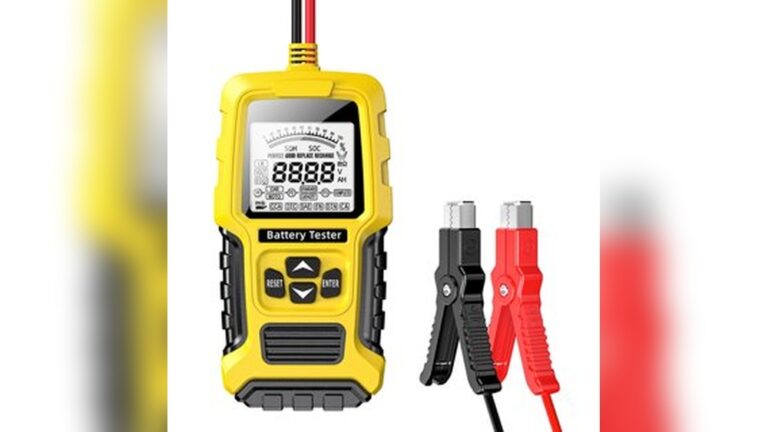
Use a voltmeter or multimeter to test the battery. Connect the device’s red lead to the positive terminal. Connect the black lead to the negative terminal. A healthy battery shows about 12.6 volts or more when the engine is off. Lower voltage may mean corrosion or a weak battery. Testing voltage helps confirm if the battery or terminals cause starting issues.
Checking Terminal Connections
Make sure the terminal clamps fit tightly on the battery posts. Loose connections stop power flow. Try to move the cable ends by hand. They should not wiggle or slide easily. Tighten the clamps if they feel loose. Clean the terminals and clamps with a wire brush before reconnecting. Proper connections improve battery performance and prevent no-start problems.
Impact On Car Starting
Corroded battery terminals can stop your car from starting. The corrosion blocks the flow of electricity needed to power the car. This causes problems in the starting process. Understanding how corrosion affects your car helps you spot issues early.
Reduced Electrical Flow
Corrosion on battery terminals acts like a barrier. It lowers the amount of electricity reaching the car’s starter. Less electricity means the starter motor cannot work properly. The car struggles to turn over or may not start at all. Clean terminals allow smooth electrical flow, ensuring proper function.
Interruption In Ignition Process
The ignition process depends on steady power from the battery. Corroded terminals create gaps in the electrical connection. These gaps cause the ignition system to fail or work weakly. As a result, the engine does not receive the spark it needs to start. Fixing corrosion restores the ignition’s full power.
Cleaning And Maintenance Tips
Keeping battery terminals clean helps your car start smoothly. Dirt and corrosion block the flow of electricity. This can stop your car from starting at all. Regular cleaning and maintenance keep the battery healthy and working well. Simple steps make a big difference in battery life.
Safe Cleaning Methods
Always wear gloves and eye protection before cleaning. Disconnect the battery cables, starting with the negative terminal. Use a mixture of baking soda and water to neutralize corrosion. Apply the mixture with a brush and scrub gently. Rinse with clean water and dry with a cloth. Reconnect the cables, starting with the positive terminal. Avoid using metal tools that can cause sparks.
Preventive Measures
Check battery terminals every few months. Apply a thin layer of petroleum jelly or terminal protector spray. This stops moisture and air from causing corrosion. Keep the battery area dry and clean. Tighten loose connections to prevent sparks and corrosion. Park your car in a dry place to reduce moisture buildup.
Tools Needed
Gather a few simple tools before starting. You will need gloves and safety glasses for protection. Use a wire brush or battery terminal cleaner to scrub corrosion. A small container for the baking soda mixture helps control spills. Have a wrench ready to loosen and tighten terminal clamps. Keep clean rags handy to dry the terminals.
When To Replace Battery Or Terminals
Knowing when to replace your car battery or its terminals can save you from unexpected trouble. Corroded terminals or an old battery can stop your car from starting. Understanding the signs of damage and weighing the costs helps you decide the right time for replacement.
Signs Of Severe Damage
Look for white or green powder on battery terminals. This corrosion blocks electrical flow. Cracks or leaks on the battery case also indicate damage. If your car struggles to start or the lights dim, the battery or terminals may be failing. Frequent jump-starts suggest deep battery issues. Loose or broken terminals cause poor connection. These signs mean you should replace parts soon.
Cost And Benefits
Replacing battery terminals is cheaper than a new battery. Terminals cost less and restore connection quickly. A new battery costs more but lasts longer. Fresh batteries prevent sudden breakdowns. Clean terminals improve car start and electrical system. Spending a little now avoids costly repairs later. Choose replacement based on damage severity and budget.

Credit: www.reddit.com
Frequently Asked Questions
Can Corroded Battery Terminals Stop My Car From Starting?
Yes, corroded battery terminals can prevent your car from starting. Corrosion blocks electrical flow between the battery and car, causing startup issues. Cleaning terminals often restores proper connection and fixes the problem quickly.
How Do Corroded Terminals Affect Car Battery Performance?
Corroded terminals increase resistance, reducing the battery’s ability to deliver power. This leads to slow or failed engine starts and dim lights. Regular cleaning ensures efficient power transfer and maintains battery health.
What Are Common Signs Of Battery Terminal Corrosion?
Look for white, green, or blue powdery deposits on terminals. You may notice slow engine cranking, flickering dashboard lights, or difficulty starting the car. These signs indicate corrosion that needs immediate attention.
Can I Clean Battery Terminals Myself Safely?
Yes, you can clean terminals safely using baking soda and water. Disconnect the battery, scrub corrosion with a brush, rinse, and dry thoroughly. Always wear gloves and eye protection to avoid injury.
Conclusion
Corroded battery terminals often stop a car from starting. Dirt and rust block the electrical flow. Cleaning the terminals can fix the problem fast. Check your battery regularly to avoid this issue. Simple care keeps your car ready to go.
Don’t ignore small signs of corrosion. A quick clean saves time and money later. Keep your car’s battery terminals clean and tight. This small step helps prevent starting troubles. Easy maintenance leads to a smooth drive every day.