
Have you ever turned your car key, only to hear nothing but silence? It’s frustrating and makes you wonder if the problem is your alternator.
You might be asking yourself, “Will a bad alternator keep my car from starting? ” Understanding this can save you time, money, and stress. You’ll discover exactly how a failing alternator affects your car’s ability to start and what signs to watch for.
Keep reading to find out what’s really going on under your hood and how to avoid getting stranded unexpectedly.
Credit: www.autozone.com
Role Of The Alternator
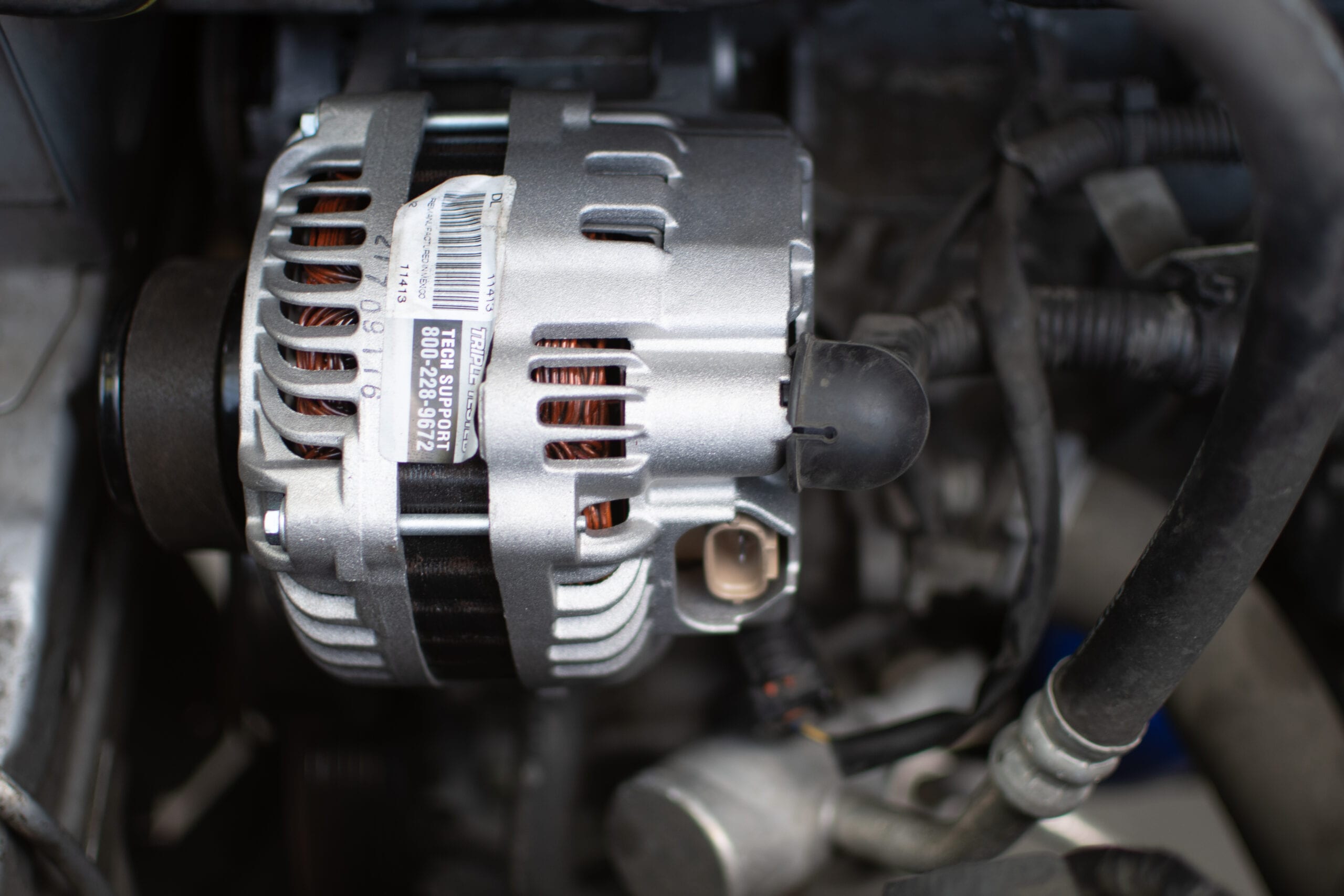
The alternator plays a key role in a car’s electrical system. It keeps the battery charged and powers electrical parts. Without a working alternator, the car may stop running. Understanding its role helps explain why a bad alternator can cause starting problems.
This part changes mechanical energy into electrical energy. The engine drives the alternator through a belt. This process supplies power for lights, radio, and other electronics while the engine runs.
How The Alternator Powers The Car
The alternator creates electricity as the engine spins. It sends power to the battery and car systems. This power keeps the battery full and electrical devices working. The alternator works only when the engine is on. It cannot start the car but supports its running parts.
Alternator Vs Battery Functions
The battery stores electrical energy. It provides power to start the engine. The alternator charges the battery and powers the car when running. A bad alternator cannot charge the battery. A dead battery means the car will not start. Both parts must work well for the car to run smoothly.
Signs Of A Failing Alternator
Signs of a failing alternator often show up before the car stops starting. Catching these signs early helps avoid sudden breakdowns. The alternator charges the car battery and powers electrical parts. When it fails, the car cannot get enough power to run.
Pay attention to these common symptoms. They hint that the alternator needs checking or replacement soon.
Dim Or Flickering Lights
Headlights or dashboard lights dim or flicker while driving. This happens because the alternator cannot supply steady power. Lights may get brighter or weaker at times. It is a clear sign the alternator struggles to keep the battery charged.
Electrical Issues And Warning Lights
Electrical parts start acting strange. Power windows move slowly or do not work. Radio or air conditioning may stop functioning properly. The battery warning light or check engine light can appear on the dashboard. These warnings mean the alternator is not charging the battery well.
Strange Noises From The Engine
Listen for unusual sounds near the engine. A failing alternator often makes grinding or whining noises. This comes from worn-out bearings or loose parts inside. Strange noises indicate the alternator needs immediate attention to avoid failure.
Can A Bad Alternator Prevent Starting?
A bad alternator can cause many car troubles, including starting issues. The alternator charges the battery and powers the electrical system while the engine runs. When it fails, the battery may not get enough charge, causing problems. Understanding how a bad alternator affects starting helps diagnose car issues better.
Battery Drain And Starting Problems
The alternator keeps the battery charged. If it is bad, the battery loses power over time. A weak battery may not start the engine. You may hear clicking or no sound when turning the key. The car might start after a jump but dies soon after. Battery drain is a common sign of alternator trouble.
When The Alternator Fails Completely
A completely failed alternator stops charging the battery. The car uses only the battery’s stored power. Once the battery is empty, the engine will not start. This failure can happen suddenly or gradually. Warning lights on the dashboard often signal alternator failure early. Ignoring these signs can lead to a no-start situation.
Starter Motor And Alternator Interaction
The starter motor needs power from the battery to crank the engine. The alternator keeps the battery charged for this purpose. A bad alternator means less power for the starter. The starter may struggle or fail to turn the engine. The interaction between the starter and alternator is key to starting the car.
Diagnosing Alternator Problems
Diagnosing alternator problems is key to understanding why a car won’t start. The alternator charges the battery while the engine runs. If it fails, the battery loses power quickly. This can stop the car from starting or cause it to die soon after starting.
Simple tests help find alternator issues without costly repairs. These checks show if the alternator works or needs replacement.
Testing Battery Voltage
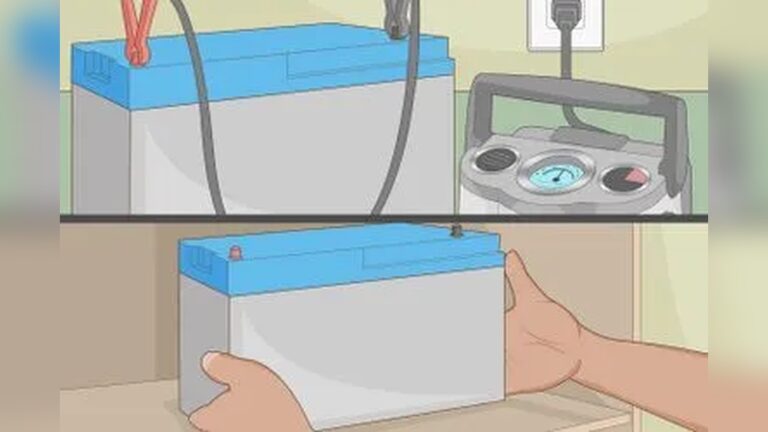
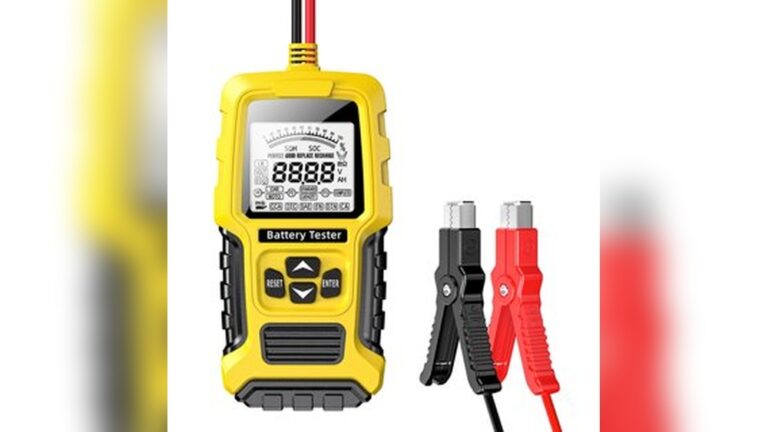
Start by checking the battery voltage. Use a voltmeter or multimeter for this. A healthy battery should show around 12.6 volts when the car is off. When the engine runs, voltage should rise to about 13.8 to 14.4 volts. Lower readings suggest the alternator is not charging the battery properly.
Using A Multimeter On The Alternator
Next, test the alternator directly with a multimeter. Set the meter to measure DC voltage. Place the red lead on the alternator’s positive terminal. Place the black lead on the negative terminal or engine ground. If the voltage is below 13 volts with the engine running, the alternator may be failing. This test confirms if the alternator delivers enough power to the battery and car electronics.
Professional Diagnostic Tools
Auto shops use advanced tools to diagnose alternator problems. These devices check the alternator’s output under various loads. They also test the voltage regulator and diodes inside the alternator. This detailed testing finds hidden faults that simple tools might miss. Professional diagnostics provide a clear picture of the alternator’s health.
Fixing Alternator Issues
Fixing alternator issues is important to keep your car running smoothly. The alternator charges the battery and powers the electrical system. If it fails, your car might not start or could stop while driving.
Knowing how to handle alternator problems saves time and money. It also prevents more damage to your vehicle. Below are key points to consider when fixing an alternator.
Repair Vs Replacement
Deciding between repair and replacement depends on the alternator’s condition. Minor faults like worn brushes or loose connections can be repaired. This option is cheaper and faster.
Severe damage to the rotor or stator usually requires replacement. A new or rebuilt alternator ensures better reliability. It also comes with a warranty for peace of mind.
Cost And Time Considerations
Repairing an alternator typically costs less but takes time for diagnosis and parts. Replacement costs more but often finishes faster with fewer issues later. Labor charges vary by location and vehicle type.
On average, repairs take a few hours, while replacements might be done in one hour. Choosing the right option depends on your budget and urgency.
Preventive Maintenance Tips
Regular checks help avoid alternator failure. Inspect belts for cracks and tightness. Clean battery terminals to prevent corrosion.
Listen for unusual noises from the engine bay. Dim lights or flickering gauges signal alternator trouble. Early detection keeps your car reliable and safe.

Credit: www.youtube.com
Credit: statustest.amherst.edu
Frequently Asked Questions
Can A Bad Alternator Prevent A Car From Starting?
Yes, a bad alternator can stop a car from starting by failing to charge the battery. Without enough battery power, the engine won’t crank or start properly.
How Does A Faulty Alternator Affect Car Battery?
A faulty alternator drains the battery by not recharging it during driving. This causes the battery to lose power and eventually fail to start the car.
What Are Signs Of A Failing Alternator?
Signs include dim headlights, electrical issues, warning lights on the dashboard, and difficulty starting the car. These symptoms indicate the alternator may not be charging the battery correctly.
Can A Bad Alternator Cause Car To Stall?
Yes, a bad alternator can cause the engine to stall because it fails to power essential electrical systems while driving.
Conclusion
A bad alternator can stop a car from starting. It may not charge the battery properly. This causes the battery to lose power quickly. Without enough power, the engine won’t turn on. Checking the alternator is important when the car won’t start.
Fixing or replacing a bad alternator can solve the problem. Keep an eye on your car’s electrical system. This helps avoid sudden starting issues on the road. Simple maintenance saves time and money in the long run. Don’t ignore signs of a failing alternator.
Act early to keep your car running smoothly.