
Is your car’s battery constantly dying, or are your headlights flickering unexpectedly? These could be signs that your alternator is not working properly.
But how do you know for sure if the alternator is the problem, especially without taking it to a mechanic? You can actually test your alternator out of the car with just a few simple tools and steps. In this guide, you’ll learn exactly how to do it yourself, saving you time and money.
Keep reading, and you’ll gain the confidence to check your alternator quickly and easily.
Tools Needed
Testing an alternator outside the car needs a few basic tools. A multimeter, jumper wires, and a battery are essential. These help check if the alternator works properly.
Testing an alternator outside the car requires a few key tools. These tools help you check if the alternator works properly. Having the right tools makes the process easier and safer.
Each tool serves a specific purpose in the testing procedure. Prepare all tools before starting the test. This saves time and avoids frustration.
Multimeter
A multimeter measures voltage, current, and resistance. It is essential for testing an alternator’s output voltage. Choose a digital multimeter for clear and accurate readings. Set it to the correct voltage range before testing.
Battery Or Power Supply
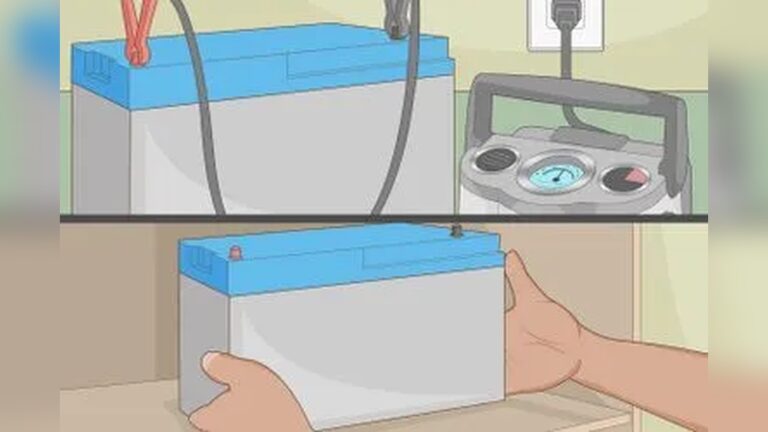
A 12-volt battery or power supply powers the alternator during the test. It simulates the car’s electrical system. Connect the alternator to this power source to check if it produces electricity.
Test Leads And Clips
Test leads and clips connect the multimeter and battery to the alternator. Use insulated leads to prevent electric shocks. All connections must be tight and secure for accurate results.
Safety Gloves And Glasses
Safety gloves protect your hands from sharp parts and electric shocks. Safety glasses shield your eyes from sparks or debris. Always wear these for safe testing.

Credit: www.youtube.com
Safety Precautions
Testing an alternator outside the car requires care. Safety precautions protect you from injury and damage. Always prepare your workspace and tools before starting. Follow these steps to keep the process safe and smooth.
Wear Protective Gear
Use safety glasses to protect your eyes from sparks. Gloves keep your hands safe from sharp edges and electrical shocks. Wear clothes that cover your arms and legs to avoid cuts.
Work In A Well-ventilated Area
Test the alternator in an open or well-ventilated space. This prevents buildup of harmful fumes or gases. Avoid enclosed spaces to reduce risks of breathing problems.
Disconnect Power Sources
Make sure the alternator is not connected to any power source. Remove all cables and wires before testing. This stops accidental electric shocks or short circuits.
Use Proper Tools
Use insulated tools designed for electrical work. Avoid using damaged or worn-out tools. Proper tools help you work safely and accurately.
Keep Workspace Clear
Remove clutter and flammable materials around the testing area. A clean space reduces the chance of fire or accidents. Keep a fire extinguisher nearby just in case.
Follow Manufacturer Instructions
Read the alternator’s manual before testing. Follow all recommended safety and testing steps. This helps avoid mistakes and protects the alternator.
Removing The Alternator
Removing the alternator is the first step to test it outside the car. This process allows you to check the alternator properly with the right tools. It requires care and some basic knowledge of car parts. Follow each step carefully to avoid damage or injury.
Disconnect The Battery
Start by disconnecting the car battery. This stops any electrical shocks or shorts. Always remove the negative terminal first. Use a wrench to loosen the terminal clamp. Keep the cable away from the battery to prevent contact.
Remove The Drive Belt
Next, take off the drive belt that powers the alternator. Locate the belt tensioner and use a wrench to release tension. Slide the belt off the alternator pulley. Do not let the belt snap back suddenly.
Unplug Electrical Connections
Find the electrical connectors on the alternator. Carefully unplug the main wiring harness and the power cable. Use a screwdriver if clips are tight. Label wires if needed to remember their positions.
Unbolt The Alternator
Locate the bolts holding the alternator in place. Use the correct size socket or wrench to remove them. Support the alternator with one hand while loosening the last bolt. Slowly pull the alternator out of its bracket.
Visual Inspection
Visual inspection is the first step to test an alternator outside the car. It helps find obvious problems fast. This step saves time and prevents mistakes during testing.
Start with a close look at the alternator’s outer parts. Look for cracks, rust, or worn-out areas. These signs show damage that can affect performance. A clean, damage-free alternator is easier to test and repair.
Check For Physical Damage
Scan the alternator for cracks or broken parts. Check the pulley for bends or chips. A damaged pulley may cause belt slipping or noise. Look for rust or corrosion on metal parts. These can stop the alternator from working well.
Check the fan blades carefully. Bent or missing blades reduce cooling. Overheating can cause permanent damage. Also, inspect the casing for dents or holes. These problems often mean the alternator needs repair or replacement.
Inspect Electrical Connections
Examine all electrical connectors and wires. Make sure wires are not frayed or broken. Loose or corroded connections cause poor power flow. Clean any corrosion with a wire brush or contact cleaner.
Check the terminals for tightness. Loose terminals lead to voltage drops. Firm connections ensure the alternator charges correctly. Also, look at the brushes and slip rings if visible. Worn brushes reduce electrical contact and efficiency.
Testing With A Multimeter
Testing an alternator outside the car is easier with a multimeter. This tool checks electrical parts quickly and clearly. It helps find problems like bad diodes or winding issues. Follow simple steps to get accurate results.
Set Up Multimeter
First, turn your multimeter to the ohms setting. This measures electrical resistance inside the alternator. Use the right range on the dial to avoid wrong readings. Make sure the multimeter leads are clean and working.
Measure Resistance
Touch the multimeter leads to the alternator’s terminals. Check resistance between each pair of terminals. Normal resistance is low but not zero. A very high or zero reading means a problem. Write down the results for comparison.
Check Diode Function
Switch the multimeter to diode test mode. Place the leads on the diode terminals. The meter should show voltage drop in one direction only. If it shows voltage both ways, the diode is bad. Replace the alternator if diodes fail this test.
Bench Testing The Alternator
Bench testing an alternator is a reliable way to check its health outside the car. This method helps find problems before installation. It saves time and avoids mistakes. You need some basic tools and an alternator test bench. The test bench replicates the engine’s work. It lets you see if the alternator charges correctly. Follow simple steps for accurate results.
Use Of Alternator Test Bench
An alternator test bench holds the alternator firmly. It connects to power and measuring devices. The bench lets you run the alternator safely. It controls speed and load during testing. This setup mimics real car conditions. You can inspect the alternator’s parts closely. It helps detect wear or damage early.
Simulate Engine Running
The test bench spins the alternator like a running engine. This action creates a similar electrical load. It shows how the alternator performs under pressure. You can adjust the speed to match engine RPMs. Watching the response helps find weak spots. This simulation proves if the alternator works well.
Check Voltage Output
Measuring voltage output is the key test step. Use a voltmeter connected to the alternator’s terminals. The voltage should stay steady and within limits. A good alternator usually outputs between 13.5 and 14.8 volts. Low or unstable voltage means trouble. This simple check tells if the alternator charges properly.
Interpreting Test Results
After testing your alternator outside the car, understanding the results is key. The readings tell you if the alternator works well or needs repair. Correct interpretation saves time and money. It helps avoid buying new parts unnecessarily.
Check the numbers carefully. Compare them with standard values. This way, you know if the alternator charges properly or has faults. Below are signs of a good alternator and common fault indicators to help you decide.
Signs Of A Good Alternator
A good alternator shows a steady voltage output. It usually reads between 13.5 and 14.5 volts. This means it can charge the battery effectively. The voltage should not drop when the alternator spins faster. It should hold a stable reading under different speeds.
There is no unusual noise or vibration. The alternator feels smooth when rotating by hand. The resistance test also shows normal values. These signs confirm the alternator is healthy and ready to use.
Common Fault Indicators
Low voltage readings below 13 volts indicate weak charging. High voltage above 15 volts suggests a regulator problem. Fluctuating voltage means unstable output, a sign of worn brushes or a bad diode.
Unusual noises, like grinding or squealing, point to bearing issues. Excessive heat during the test shows internal damage. High resistance or open circuits signal electrical faults. These indicators mean the alternator needs repair or replacement.

Credit: www.familyhandyman.com
Next Steps After Testing
After testing the alternator out of the car, the next steps help decide what to do next. The test results show if the alternator is working well or if it needs fixing or replacing.
Understanding the options saves time and money. Knowing the right action keeps the car running smoothly and safely.
Repair Options
If the alternator has minor issues, repair might be possible. Some parts like brushes or bearings wear out and can be replaced. A professional can clean or fix the internal components. Repairing is cheaper than buying a new one. It also helps keep the original parts of the car. But repairs only work if the alternator is not too damaged.
Replacement Guidelines
Replace the alternator if repairs are too costly or if the damage is severe. Choose a new or rebuilt alternator with the right voltage and size. Check the warranty and brand reputation before buying. Installing a correct alternator ensures good performance and avoids future problems. Always follow the car’s manual for the right replacement steps.
Credit: carbuzz.com
Frequently Asked Questions
How Do I Test An Alternator Outside The Car?
To test an alternator outside the car, use a multimeter to check voltage output. Connect the alternator to a 12V battery and spin the pulley. A good alternator should produce around 13. 8 to 14. 4 volts.
What Tools Are Needed To Test An Alternator Off The Vehicle?
You need a multimeter, a 12V battery, jumper cables, and a pulley or drill to spin the alternator. These tools help measure voltage output and simulate engine operation safely.
Can I Test An Alternator Without A Load Outside The Car?
Yes, you can test voltage output without a load. However, testing under load gives more accurate results. Use a test light or resistor to simulate load for a better check.
How Do I Know If The Alternator Is Faulty After Testing?
If the voltage output is below 13. 8 volts or above 14. 4 volts, the alternator may be faulty. Also, unusual noises or no voltage output indicates a problem.
Conclusion
Testing an alternator outside the car saves time and effort. A simple multimeter helps check voltage and output easily. This quick test shows if the alternator works well or needs repair. Following clear steps prevents mistakes and keeps you safe.
Regular checks avoid car breakdowns and costly repairs later. Trust your hands and tools for accurate results. Keep your car’s charging system healthy with routine testing. Simple, fast, and effective – that’s the best way to test an alternator out of car.