
Is your car refusing to start, leaving you stranded and frustrated? One common culprit could be your alternator.
But how do you know for sure if the alternator is the problem? Testing it yourself might sound complicated, but it doesn’t have to be. You’ll learn simple, step-by-step ways to check your alternator quickly and easily. By the end, you’ll gain the confidence to diagnose this issue and decide your next move—saving time, money, and stress.
Keep reading to find out how to take control when your car won’t start.

Credit: www.reddit.com
Signs Of Alternator Issues
The alternator is a key part of your car’s electrical system. It charges the battery and powers the electrical parts. Signs of alternator problems show up before the car stops working. Knowing these signs helps you find issues early. This saves time and money on repairs.
Alternator issues can be tricky to spot. They often look like battery problems. Understanding the difference helps you test the right part first. Watch for warning signs and symptoms to catch the problem fast.
Common Symptoms
Dimming headlights or dashboard lights often mean alternator trouble. The car may stall or have trouble starting. Strange noises like grinding or whining can come from a bad alternator. A burning smell near the engine also signals trouble. You might see a dead battery even after charging it. These signs show the alternator may not be charging properly.
Battery Vs Alternator Problems
Dead battery and alternator issues share many symptoms. A weak battery causes slow engine crank and clicking sounds. Alternator problems cause the battery to lose charge quickly. Check if the battery light on the dashboard is on. If the light flickers or stays on, the alternator is likely the issue. Testing both parts is important to find the real cause.
Tools Needed For Testing
Testing an alternator requires some basic tools. These tools help you check if the alternator works properly. Having the right tools makes the testing process easier and more accurate.
You do not need many tools to start testing. Most of them are easy to find and simple to use. Knowing what each tool does helps you understand the test results better.
Multimeter Basics
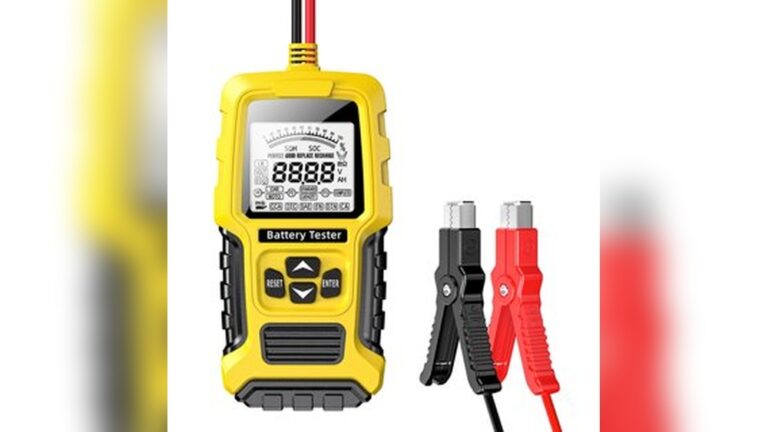
A multimeter is the main tool for testing an alternator. It measures voltage, current, and resistance. You can use it to check the battery and alternator output.
Choose a digital multimeter for clear and easy readings. Set it to measure voltage in the 20V range. Connect the probes to the battery terminals to test voltage.
A good alternator should produce about 13.8 to 14.4 volts when the engine runs. The multimeter helps confirm this number quickly. It also shows if the battery voltage is low or normal.
Additional Equipment
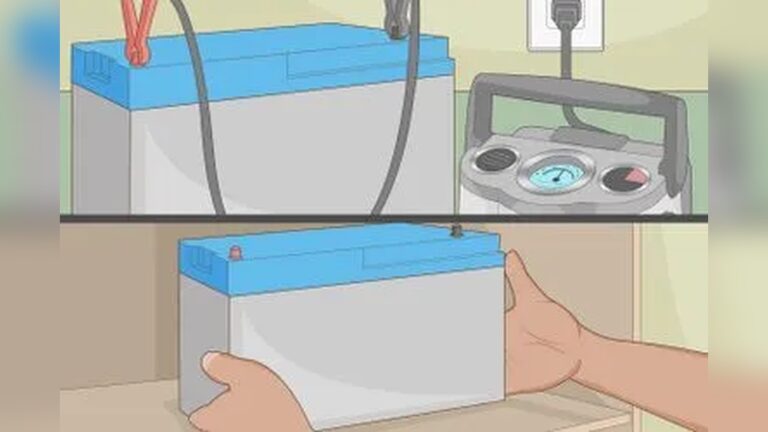
Besides the multimeter, some other tools can help. A battery charger can keep the battery charged during testing. This prevents false readings caused by a dead battery.
A set of jumper cables helps connect the battery to another power source. This is useful if the battery is very weak or dead. Safety gloves protect your hands while working near the engine.
Having a flashlight is helpful to see under the hood. Some parts might be hard to reach or see clearly. These extra tools make the testing process safer and easier.
Preparing Your Car
Preparing your car before testing the alternator is important. It helps you work safely and efficiently. Taking a few simple steps can save time and avoid damage. This section guides you through those first steps.
Safety Precautions
Start by parking your car on a flat surface. Turn off the engine and remove the keys. Let the engine cool down to avoid burns. Wear safety gloves and glasses for protection. Keep metal tools away from the battery terminals. Avoid loose clothing that might get caught in moving parts. Work in a well-ventilated area to reduce fumes. Always follow these safety rules before touching any car parts.
Accessing The Alternator
Open the car’s hood and secure it with the prop rod. Locate the alternator near the front of the engine. It usually has a belt wrapped around its pulley. Remove any covers blocking access to the alternator. Clear away debris or dirt around the area. Check the wiring connected to the alternator for any damage. This step makes testing easier and more accurate.

Credit: www.youtube.com
Testing Alternator Voltage
Testing the alternator voltage helps find out if the alternator works properly. It shows if the alternator charges the battery or not. This test is simple and needs only a voltmeter or a multimeter.
Start by checking the battery voltage. Then, check the voltage with the engine running. These steps help spot common problems with the alternator and battery.
Measuring Battery Voltage
Turn off the car and all electrical parts. Set your voltmeter to 20 volts DC. Connect the red lead to the battery’s positive terminal. Connect the black lead to the negative terminal. Read the voltage on the meter. A healthy battery shows about 12.6 volts. If it reads less than 12.4 volts, the battery might be weak or dead. This test shows the battery’s current state before starting the engine.
Checking Voltage With Engine Running
Start the car engine. Keep the voltmeter leads connected to the battery terminals. The reading should now be higher than the previous test. A good alternator shows about 13.8 to 14.5 volts. This means the alternator charges the battery correctly. If the voltage stays below 13 volts, the alternator may not work well. High voltage above 15 volts can also cause damage. Use this test to decide if the alternator needs repair or replacement.
Load Testing The Alternator
Load testing the alternator checks its ability to supply power under stress. This test helps find problems that simple voltage checks miss. You apply an electrical load to the alternator and watch how it performs. This process shows if the alternator can keep the battery charged while running other car systems. Here is how to do it step by step.
Simulating Electrical Load
Turn on the car’s headlights, radio, and air conditioning. These devices create a real load on the alternator. Use a multimeter to check the voltage at the battery terminals. The voltage should stay above 13 volts while these loads run. If the voltage drops below this, the alternator may struggle to keep up.
Interpreting Load Test Results
Voltage above 13 volts means the alternator is working well under load. If voltage falls below 12.5 volts, the alternator might be weak or failing. A sudden voltage drop could mean loose connections or a worn belt. Repeat the test a few times for accuracy. Record your results to compare with future tests.
Inspecting Alternator Components
Inspecting the alternator components helps find why a car won’t start. The alternator charges the battery and powers electrical parts. Checking parts like belts, connections, brushes, and bearings shows if the alternator works well. Some issues can stop the car from starting.
Checking Belts And Connections
Look at the belt that turns the alternator. It should be tight and not cracked or worn out. A loose or broken belt stops the alternator from working. Check the wires and connectors too. They must be clean and tight. Dirty or loose connections can cause problems with power flow.
Examining Brushes And Bearings
The brushes inside the alternator touch the spinning parts. They wear down over time. Worn brushes can stop the alternator from charging. Bearings allow the alternator to spin smoothly. Listen for noises or grinding sounds. Bad bearings cause the alternator to fail or make strange noises.
When To Replace The Alternator
Knowing when to replace the alternator is key to keeping your car running. The alternator charges the battery and powers electrical parts. A failing alternator can cause your car not to start or stall. Watch for certain signs that show the alternator needs replacement.
Common Failure Signs
Dim headlights or flickering lights can signal alternator trouble. Strange noises like grinding or whining come from a bad alternator. The battery warning light on the dashboard often lights up. Your car may stall or have trouble starting. Electronic accessories might stop working properly. If the battery keeps dying, the alternator may not charge it. These signs show the alternator is weakening and may fail soon.
Cost And Replacement Tips
Alternator replacement costs vary by car model and labor rates. Parts can cost between $100 to $400, with labor around $100 to $200. Choose a quality replacement alternator for better durability. Consider buying remanufactured parts for a lower price. Have a trusted mechanic replace the alternator to avoid damage. Regular maintenance helps spot problems early and saves money. Don’t delay replacement once signs appear to avoid car breakdowns.

Credit: coventrymotorsny.com
Frequently Asked Questions
How Can I Check If My Alternator Is Bad?
To check a bad alternator, measure the battery voltage with a multimeter. A healthy alternator shows 13. 8-14. 4 volts when the engine runs. Lower or fluctuating voltage indicates alternator problems needing repair or replacement.
What Tools Do I Need To Test An Alternator?
You need a digital multimeter to test the alternator voltage output. Optionally, a test light or a voltmeter can help detect charging issues. These tools provide quick, accurate results to diagnose alternator health effectively.
Why Won’t My Car Start If The Alternator Fails?
A failing alternator can’t charge the battery while the engine runs. The battery drains, causing insufficient power to start the car. Without proper voltage, the starter motor won’t engage, leaving the vehicle unable to start.
Can A Dead Alternator Cause Battery Drain?
Yes, a dead alternator fails to recharge the battery. This causes the battery to drain quickly, especially after driving. You’ll notice dim lights and electrical failures before the car eventually won’t start.
Conclusion
Testing your alternator helps find why your car won’t start. Use a multimeter or test light to check voltage. A healthy alternator keeps the battery charged and powers the car’s electrical parts. If the test shows low or no voltage, the alternator may need repair or replacement.
Always be safe and follow steps carefully during testing. Knowing these simple checks can save time and money. Keep your car running smoothly by spotting alternator issues early.