
Are your car brakes making that annoying squeaking noise every time you stop? It’s frustrating, distracting, and can even make you worry about your safety.
But don’t worry—this sound doesn’t always mean something is seriously wrong. In fact, there are simple steps you can take right now to silence those squeaks and get back to a smooth, quiet drive. Keep reading, and you’ll discover easy tips and tricks that anyone can use to stop your car brakes from squeaking for good.
Common Causes Of Brake Squeaking
Car brake squeaking can be annoying and worrying. Understanding the common causes helps in fixing the problem fast. Many factors can make brakes squeak, from worn parts to dirt. Knowing these causes helps keep your car safe and quiet.
Worn Brake Pads
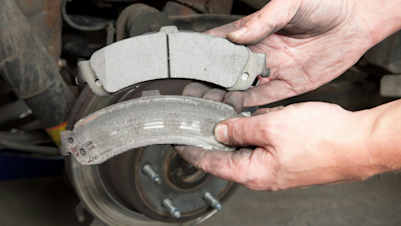
Brake pads wear out over time. Thin pads cause metal parts to rub together. This rubbing creates a loud squeaking noise. Replacing worn pads stops the noise and keeps brakes working well.
Dust And Debris
Dust and small debris can get trapped in the brakes. These particles cause friction and noise when you brake. Cleaning the brakes regularly removes dust and stops squeaking sounds.
Moisture And Rust
Water or moisture can cause rust on brake parts. Rust makes the brakes noisy, especially after rain or washing the car. Driving for a few minutes usually clears rust and noise.
Lack Of Lubrication
Brake parts need lubrication to move smoothly. Without it, metal parts grind and squeak. Applying brake lubricant to moving parts reduces noise and wear.
Glazed Brake Pads
Glazing happens when brake pads get too hot. The surface becomes hard and smooth, causing squeaks. Sanding or replacing glazed pads fixes the problem quickly.

Credit: www.youtube.com
Tools And Materials Needed
Stopping car brakes from squeaking requires the right tools and materials. Having these ready makes the job easier and faster. Each item plays an important role in fixing the noise. Prepare them before starting the work.
Basic Hand Tools
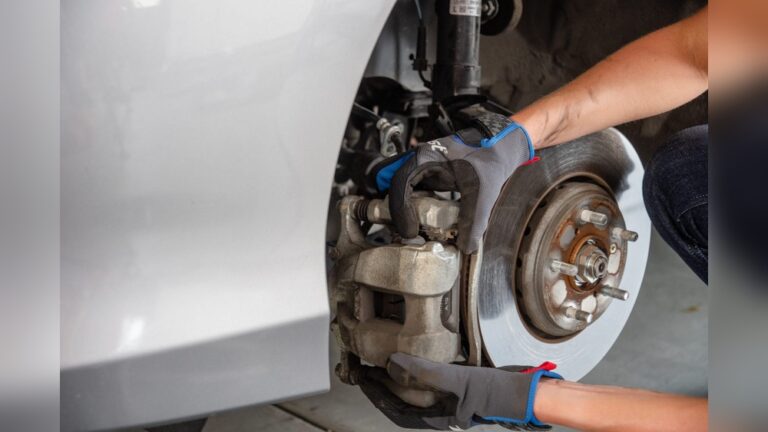
Basic hand tools include a wrench, screwdriver, and pliers. These tools help remove the wheel and brake parts. A jack and jack stands are also necessary to lift and secure the car safely. Always use the right size tools to avoid damage.
Brake Cleaner
Brake cleaner removes dirt, grease, and brake dust. Clean parts stop grime from causing noise later. Spray the cleaner on the brake pads and rotors. Let it dry completely before moving to the next step.
Anti-squeal Lubricant
Anti-squeal lubricant reduces friction between brake parts. Apply it to the back of brake pads and caliper pins. This prevents metal-to-metal contact that causes squeaking. Use only a small amount for best results.
Sandpaper Or Emery Cloth
Sandpaper or emery cloth smoothens rough surfaces on brake pads. Lightly sanding removes glaze that causes noise. Use fine grit to avoid damaging the pads. Clean the dust after sanding with brake cleaner.
Step-by-step Fixes For Squeaky Brakes
Squeaky brakes can be annoying and unsafe. Fixing them requires a few careful steps. Follow these simple methods to stop the noise and keep your car safe. Each step targets common causes of brake squeaks. Try them one by one for best results.
Cleaning The Brake Components
Dirt and dust cause brakes to squeak often. Start by removing the wheels. Use a brake cleaner spray on the brake parts. Clean the rotors, pads, and calipers thoroughly. Let all parts dry before reassembling. Clean parts reduce noise and improve brake performance.
Applying Lubricant To Brake Pads
Brake pads need the right kind of lubrication. Use a high-temperature brake lubricant on the pad edges. Avoid putting lubricant on the pad surface. This prevents squeaking by reducing friction noise. Apply carefully and wipe off any excess lubricant.
Sanding The Brake Pads
Rough or glazed brake pads can cause squeaks. Lightly sand the pad surface with fine-grit sandpaper. Sand evenly to remove shiny spots. This helps the pad grip the rotor better. Clean off dust after sanding to keep brakes smooth.
Replacing Worn Brake Pads
Old brake pads wear out and create noise. Check the pad thickness regularly. Replace pads that are thin or damaged. New pads stop squeaks and improve braking power. Use quality replacement parts for best results.
Checking For Proper Installation
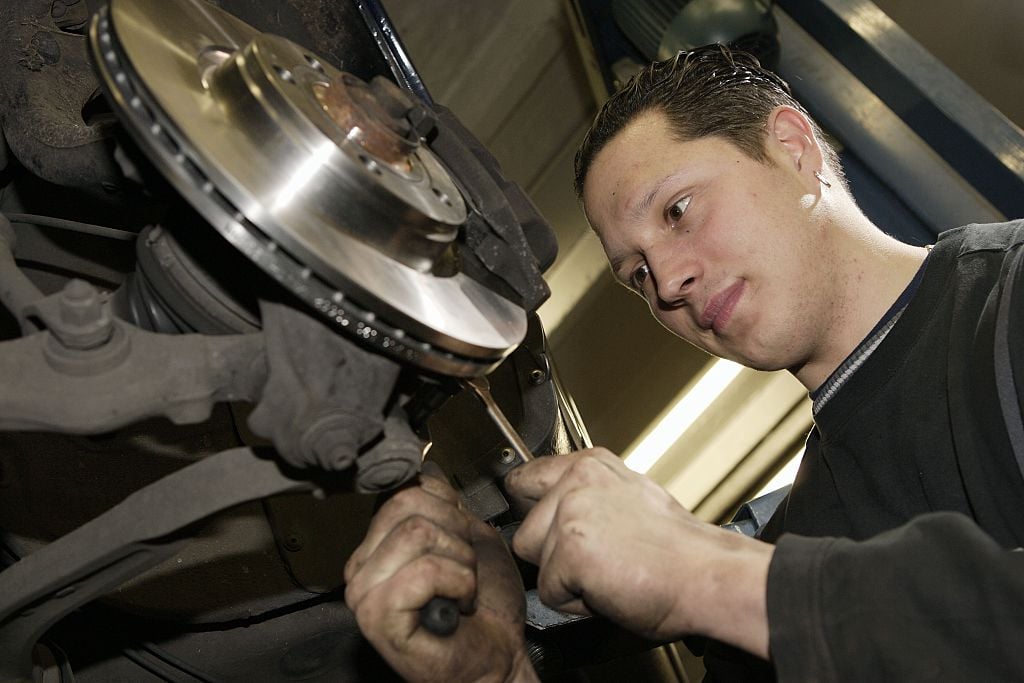
Incorrect brake installation causes many problems. Inspect calipers, pads, and hardware placement. Make sure all parts fit tightly and correctly. Loose parts can lead to vibration and noise. Secure every component to ensure quiet brakes.
Credit: www.rac.co.uk
Preventing Future Brake Noise
Preventing future brake noise helps keep your drives quiet and safe. Squeaky brakes often point to small issues that grow over time. Taking steps early can stop the noise and extend brake life. Here are some practical tips to keep your brakes silent and smooth.
Regular Brake Maintenance
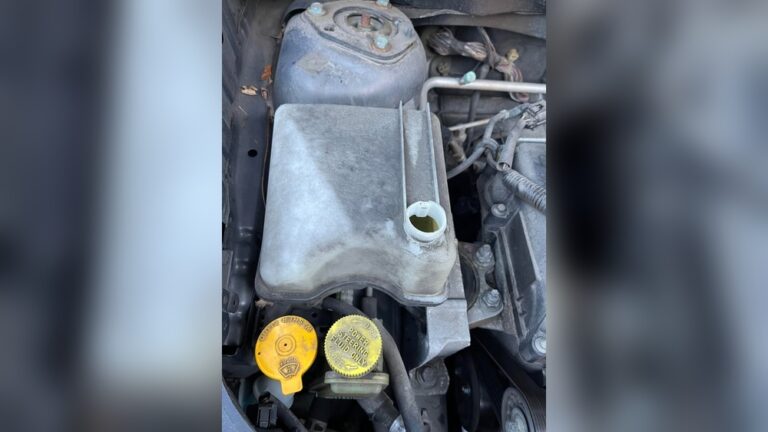
Check brakes regularly for wear and tear. Replace worn parts before they cause noise. Inspect brake fluid and keep it at the right level. Regular maintenance helps detect problems early. It saves money and avoids noisy brakes.
Choosing Quality Brake Pads
Use brake pads made from good materials. Cheap pads wear out fast and often squeak. High-quality pads fit better and last longer. They reduce noise by creating less friction. Always pick pads that match your car’s model.
Avoiding Hard Braking
Brake gently to avoid sudden stops. Hard braking heats up brake parts and causes noise. Smooth braking keeps pads and rotors cooler. It also prevents fast wear and tear. Drive calmly for quieter brakes and safer trips.
Keeping Brake Components Clean
Clean brakes regularly to remove dust and dirt. Dirt causes pads to stick and create noise. Use a soft brush or brake cleaner spray. Keep the area around brakes free from grime. Clean parts work better and stay quiet longer.
When To Seek Professional Help
Knowing when to seek professional help for squeaky car brakes is important. Some brake problems need expert care. Acting early can keep you safe on the road. It also prevents bigger, costly repairs later.
Persistent Noise After Fixes
If your brakes keep squeaking after cleaning or pad replacement, see a mechanic. Persistent noise may mean worn parts or poor installation. Professionals can find hidden issues quickly. They have tools to fix problems properly. Don’t ignore ongoing brake sounds.
Brake Performance Issues
Brakes that feel weak or take longer to stop need attention. Poor brake performance can cause accidents. A professional can check brake fluid, pads, and discs. They ensure your brakes work well in all conditions. Safety should never be compromised.
Unusual Vibrations Or Pulling
If your car shakes or pulls to one side when braking, get help fast. Vibrations or pulling suggest uneven brake wear or alignment problems. These issues affect vehicle control and safety. Mechanics can diagnose and fix these faults. Drive with confidence after a proper check.
Credit: www.carfax.com
Frequently Asked Questions
Why Do Car Brakes Squeak When Braking?
Car brakes squeak due to worn pads, dust buildup, or lack of lubrication. Moisture or glazed rotors can also cause noise. Regular cleaning and maintenance prevent squeaking.
How Can I Stop My Brakes From Squeaking?
To stop brake squeaking, clean the brake components and apply anti-squeal lubricant. Replace worn pads and check rotors for damage. Proper brake servicing reduces noise effectively.
Is Brake Squeaking Dangerous For My Car?
Brake squeaking is usually not dangerous but indicates wear or maintenance needs. Ignoring it can lead to reduced braking efficiency or costly repairs. Address squeaks promptly for safety.
Can Weather Affect Brake Noise?
Yes, cold or wet weather can cause temporary brake squeaking. Moisture causes pads to stick briefly, creating noise. It typically stops after driving a short distance.
Conclusion
Stopping car brakes from squeaking is easier than it seems. Regular brake checks help catch problems early. Cleaning brake parts and using proper brake pads reduce noise. Tightening loose parts also makes a difference. Simple steps keep your brakes quiet and safe.
Remember, quiet brakes mean better driving comfort. Take care of your brakes to avoid annoying sounds. A little effort goes a long way in brake maintenance. Keep your car running smoothly and noise-free every day.