
Have you ever wondered what car brakes actually look like? You rely on them every time you drive, but most people don’t really know what’s behind that important stopping power.
Understanding what your brakes look like can help you spot problems early and keep you safer on the road. You’ll get a clear, simple look at the main parts of car brakes and why each one matters. Keep reading—you might be surprised by what you learn about your car’s most critical safety feature.
Basic Brake Components
Car brakes are made of several key parts that work together to stop the vehicle. These parts face a lot of wear and tear. Understanding what they look like helps in recognizing problems early. Each component has a unique role in the braking process.
Brake Pads
Brake pads are flat pieces that press against the rotor. They create friction to slow down the car. Usually, they are made of strong materials like ceramic or metal. Brake pads wear out over time and need replacement.
Rotors And Drums
Rotors are round metal discs attached to each wheel. Brake pads squeeze these discs to stop the car. Some cars use drums instead, which are hollow cylinders. Drums work by pressing brake shoes inside them to create friction.
Calipers
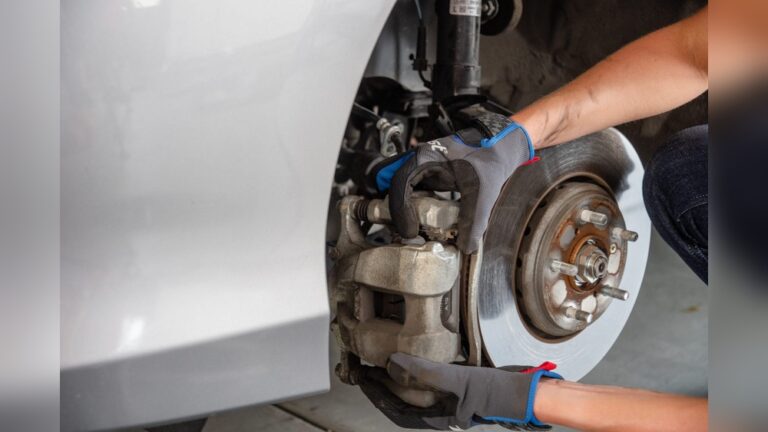
Calipers hold the brake pads and push them against the rotor. They act like clamps that squeeze the brake pads. Most cars use disc brakes with calipers on each wheel. Calipers need to move smoothly for effective braking.
Brake Lines
Brake lines carry brake fluid from the master cylinder to the brakes. This fluid moves under pressure to activate the calipers. Brake lines are thin tubes made of metal or rubber. Any leak or damage can cause brake failure.
Disc Brake Design
Disc brakes are a common part of many cars. They help stop the vehicle safely and quickly. The design of disc brakes is simple but effective. They work by using friction to slow down the wheels.
This design is popular because it cools down faster than other brake types. This keeps the brakes working well for longer. The parts of a disc brake fit together to make strong stopping power.
How Disc Brakes Work
Disc brakes use a flat metal disc called a rotor. The rotor spins with the wheel. When you press the brake pedal, brake pads squeeze the rotor. This squeezing creates friction. The friction slows the rotor and the wheel. The car then comes to a stop.
The brake pads are held in a part called the caliper. The caliper pushes the pads against the rotor. This system allows the car to stop smoothly and safely.
Materials Used
Rotors are usually made of cast iron. Cast iron is strong and handles heat well. Some rotors use steel or carbon materials. Carbon rotors are lighter and resist heat better.
Brake pads use materials like ceramic, organic compounds, or metal. Ceramic pads create less dust and noise. Metal pads last longer but can wear the rotor faster. The choice depends on the car and driving style.
Common Shapes And Sizes
Most disc brake rotors are round and flat. The size changes based on the vehicle type. Small cars use smaller rotors. Trucks and sports cars use larger rotors for more stopping power.
Some rotors have holes or slots. These help cool the brake and remove dust. The shape and size affect how well the brake performs and lasts.
Drum Brake Design
Drum brake design is a classic style of braking used in many vehicles. It works by pressing brake shoes against a spinning drum to slow the car down. This design is simple but very effective for many driving needs.
Drum Brake Structure
The drum brake has a round metal drum that fits over the wheel hub. Inside this drum, the brake shoes sit close to the drum’s inner surface. When the brakes activate, the shoes push outward to touch the drum. This friction slows the wheel’s spin.
Key Parts Inside The Drum
Inside the drum, there are brake shoes, springs, and a wheel cylinder. The wheel cylinder pushes the shoes out. Springs pull the shoes back after braking. These parts work together to create smooth stopping power.
Typical Applications
Drum brakes often appear on the rear wheels of cars and trucks. They are common in smaller cars and some trucks. These brakes work well for everyday driving and parking brakes.
Credit: www.kingsautocenter.net
Brake Assembly Layout
The brake assembly is a key part of a car’s safety system. It stops the vehicle by creating friction. This friction slows down the wheels. The layout of brake parts varies between the front and rear wheels.
Each brake assembly includes several components. These parts work together to stop the car smoothly. Understanding the layout helps you see how brakes function.
Front Vs Rear Brake Setup
Front brakes usually handle more work than rear brakes. They often use disc brakes with a rotor and caliper. Rear brakes can have disc or drum brakes. Drum brakes use brake shoes inside a drum.
The front brake setup is larger and more powerful. It stops the car faster and controls steering. Rear brakes support the front brakes and add stability.
Integration With Wheel System
Brakes connect closely to the wheel system. The rotor or drum attaches to the wheel hub. Brake pads or shoes press against these parts to slow the wheel. The caliper or wheel cylinder moves the pads or shoes.
The brake assembly works with the suspension and axle. This setup helps control the car’s movement during braking.
Visual Differences
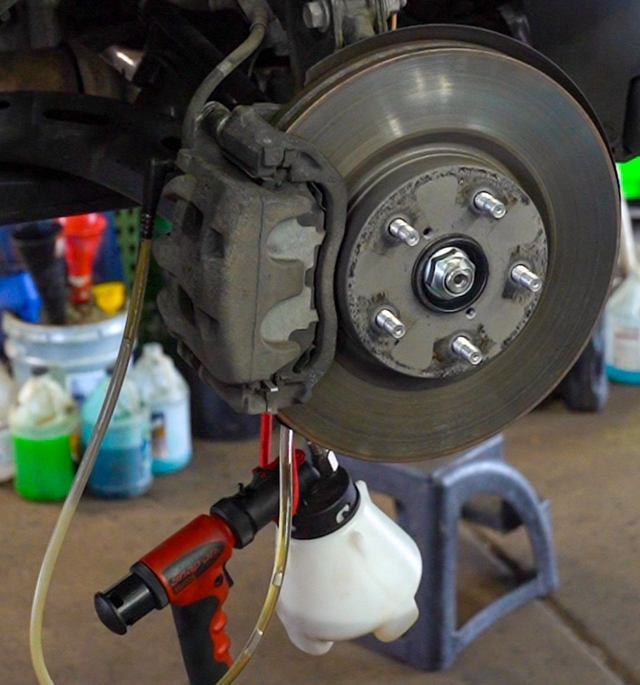
Disc brakes look like a flat metal disc with a clamp around it. The caliper holds brake pads on each side of the disc. Drum brakes look like a round drum covering the wheel hub.
Front disc brakes tend to be bigger and thicker. Rear brakes can appear smaller or covered by a drum. These visual clues help identify the brake type on a car.
Advanced Brake Features
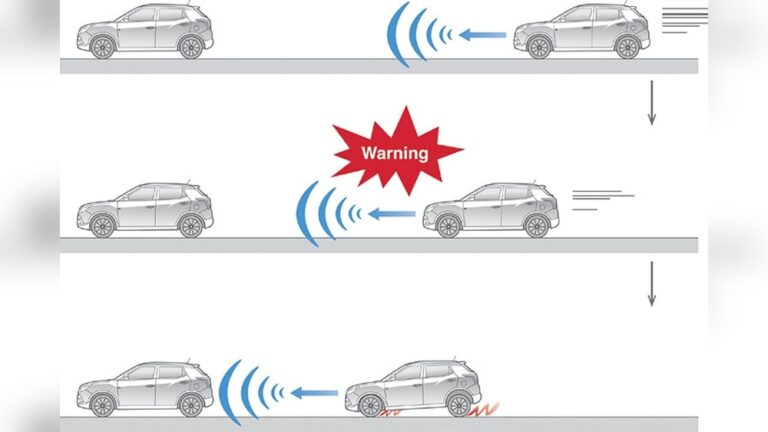
Advanced brake features improve safety and performance in modern cars. These features help cars stop faster and more smoothly. They also keep drivers in control during emergency stops. Technology has made brakes smarter and more reliable.
Understanding these features helps you see what makes car brakes special today. Let’s explore some key advanced brake components.
Ventilated Rotors
Ventilated rotors look like discs with small gaps or channels inside. These gaps let air flow through the rotor. This design helps cool the brakes faster. Cooler brakes work better and last longer. Ventilated rotors reduce the chance of brake fade during heavy use.
Anti-lock Braking System (abs)
ABS stops the wheels from locking during hard braking. Locked wheels can cause a car to skid. ABS uses sensors to watch wheel speed. If a wheel starts to lock, ABS quickly reduces brake pressure. This action keeps the car stable and easier to control. Most modern cars have ABS as a standard feature.
Electronic Brake Components
Electronic parts control many brake functions today. Sensors and computers monitor brake conditions constantly. Electronic Brakeforce Distribution (EBD) adjusts braking power to each wheel. Brake Assist helps apply full brake force in emergencies. These parts work together to improve safety and braking efficiency.

Credit: www.rac.co.uk
Signs Of Wear And Damage
Car brakes wear down over time. Signs of wear and damage show when brakes need attention. Checking these signs helps keep you safe on the road. Regular inspection can prevent costly repairs. It also ensures your brakes work well.
Visual Inspection Tips
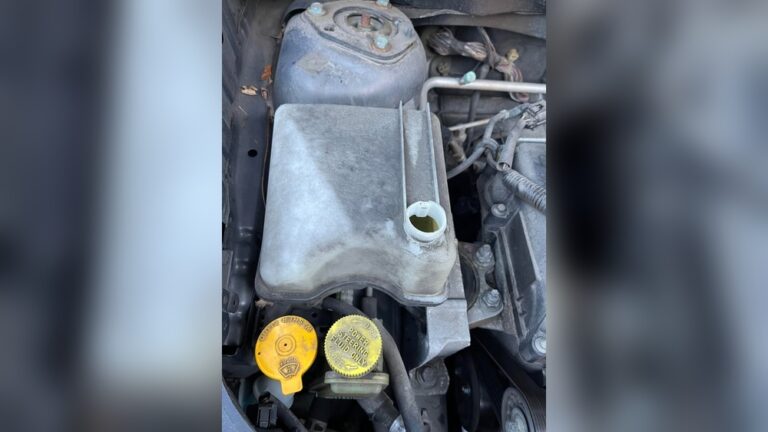
Look at the brake pads through the wheel. Thin pads mean they need replacing. Check for cracks or deep grooves on the rotors. These can reduce brake performance. Rust on brake parts may cause noise or poor braking. Make sure brake fluid is clean and at the right level. Dark or dirty fluid can signal problems.
Common Brake Issues
Squealing noises often mean worn brake pads. Grinding sounds can show metal-on-metal contact. This damages rotors and increases repair costs. Brake pedals that feel soft or spongy may indicate air in brake lines. Vibrations during braking can mean warped rotors. Pulling to one side suggests uneven brake wear.
When To Replace Components
Replace brake pads if thickness is less than 3 millimeters. Swap rotors if they have deep grooves or warping. Change brake fluid every two years or as advised. Worn or damaged brake hoses need quick replacement. Always replace parts in pairs for balanced braking. Timely replacement keeps your brakes reliable and safe.

Credit: www.carfax.com
Frequently Asked Questions
What Do Car Brake Pads Look Like?
Car brake pads are small, flat components with a friction surface. They are usually rectangular and made of composite materials. They press against the brake rotor to slow the vehicle.
How Can You Identify Brake Rotors Visually?
Brake rotors are round, flat discs attached to the wheel hub. They have a smooth or vented surface and can show grooves or rust if worn.
What Does A Brake Caliper Look Like?
Brake calipers are clamp-like devices that house the brake pads. They are usually metallic and positioned over the rotor, applying pressure during braking.
Are Drum Brakes Visible From Outside The Wheel?
Drum brakes appear as enclosed, cylindrical drums behind the wheel. They are less visible compared to disc brakes and often require wheel removal to inspect.
Conclusion
Car brakes play a key role in vehicle safety and control. They have simple parts like pads, discs, and drums. These parts work together to stop your car smoothly. Knowing what brakes look like helps you spot problems early. Regular checks keep brakes working well and protect you on the road.
Take care of your brakes to drive with confidence and peace of mind.