
Are you wondering if your car should be running when you add brake fluid? It’s a common question that can make a big difference in your safety and the health of your vehicle.
Adding brake fluid might seem simple, but doing it the right way is crucial. If you get it wrong, you could risk brake failure or damage to your car’s braking system. You’ll discover the correct steps to follow and why keeping your engine on or off matters.
Keep reading to make sure you handle your brakes safely and confidently every time.
Credit: www.rac.co.uk
Why Brake Fluid Matters
Brake fluid plays a key role in keeping your car safe. It helps the brake system work properly. Without the right brake fluid, your brakes might fail. Knowing why brake fluid matters helps you maintain your car better.
Role In Brake System
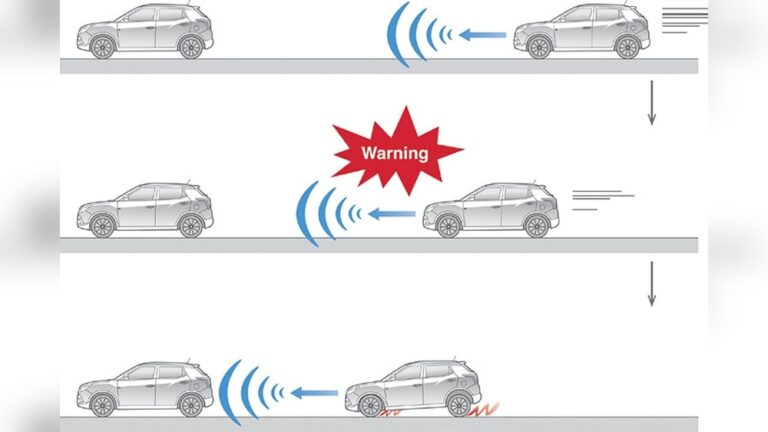
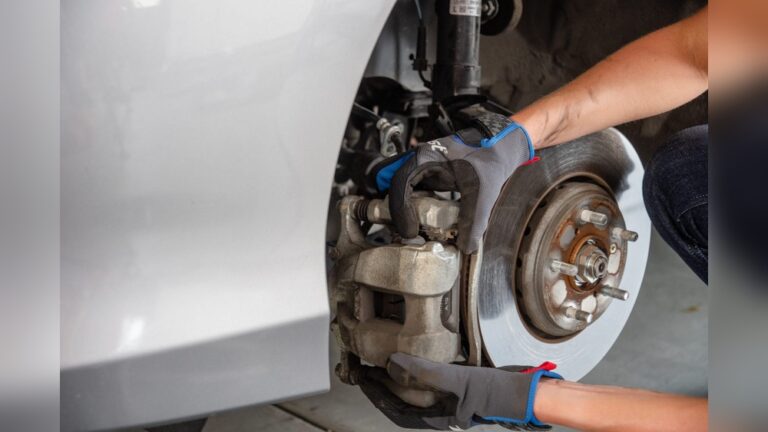
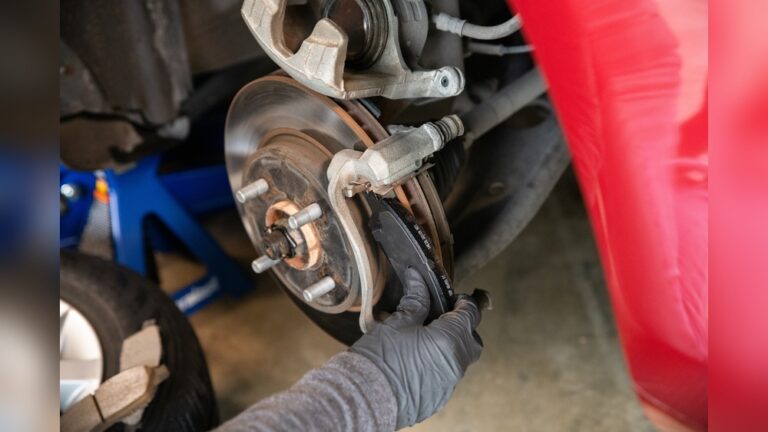
Brake fluid transfers force from the brake pedal to the brake pads. It moves through brake lines to push the pads against the wheels. This stops the car when you press the brake pedal.
It also resists heat and pressure inside the brake system. This keeps the brake performance steady even during hard braking. Without good brake fluid, the brakes can feel soft or fail.
Types Of Brake Fluid
There are different types of brake fluid. The common types are DOT 3, DOT 4, and DOT 5.1. Each has different boiling points and chemical makeup.
DOT 3 and DOT 4 are glycol-based and mix well. DOT 5 is silicone-based and does not mix with others. Using the right type keeps the brake system safe and efficient.
Engine On Or Off?
Adding brake fluid is a common car maintenance task. But should the engine be running or off during this process? This question matters for safety and effectiveness. Understanding the risks and benefits helps you do it right.
Risks Of Adding Fluid With Engine Running
Adding brake fluid with the engine on can be risky. The engine’s heat may cause the fluid to heat up quickly. Hot fluid can damage the brake system parts. Also, the moving engine parts increase the chance of accidents. Fluid spills near hot or moving parts can cause fires or injuries. Vibrations from the engine may cause spills or overfilling. These risks make adding fluid while the engine runs unsafe.
Benefits Of Engine Off
Turning the engine off reduces many dangers. The brake fluid stays cool and stable. No engine vibrations mean less chance of spills. It also allows you to work calmly and carefully. You can check the fluid level more accurately. This method keeps you safe and protects your car parts. Adding brake fluid with the engine off is the smart choice.
Safety Precautions
Always keep the car off when adding brake fluid to avoid accidents. Check the fluid level carefully and clean any spills immediately. Safety first to protect yourself and the vehicle.
Protective Gear To Wear
Brake fluid can harm your skin and eyes. Always wear gloves to protect your hands. Use safety glasses to shield your eyes from splashes. Wear old clothes or a protective apron. This prevents brake fluid stains that are hard to remove. Keep a clean cloth nearby to wipe off any spills quickly.
Handling Brake Fluid Safely
Use brake fluid in a well-ventilated area to avoid fumes. Avoid touching brake fluid with bare skin. Never mix brake fluid with other liquids. Keep the brake fluid container tightly closed when not in use. Clean any spills immediately to avoid damage to car paint. Store brake fluid out of reach of children and pets. Dispose of old brake fluid according to local rules.

Credit: blog.clearcover.com
Step-by-step Fluid Addition
Adding brake fluid is a simple task but must be done carefully. This step-by-step guide shows how to add brake fluid safely and correctly. Follow these steps to keep your brakes working well and your car safe.
Preparing The Vehicle
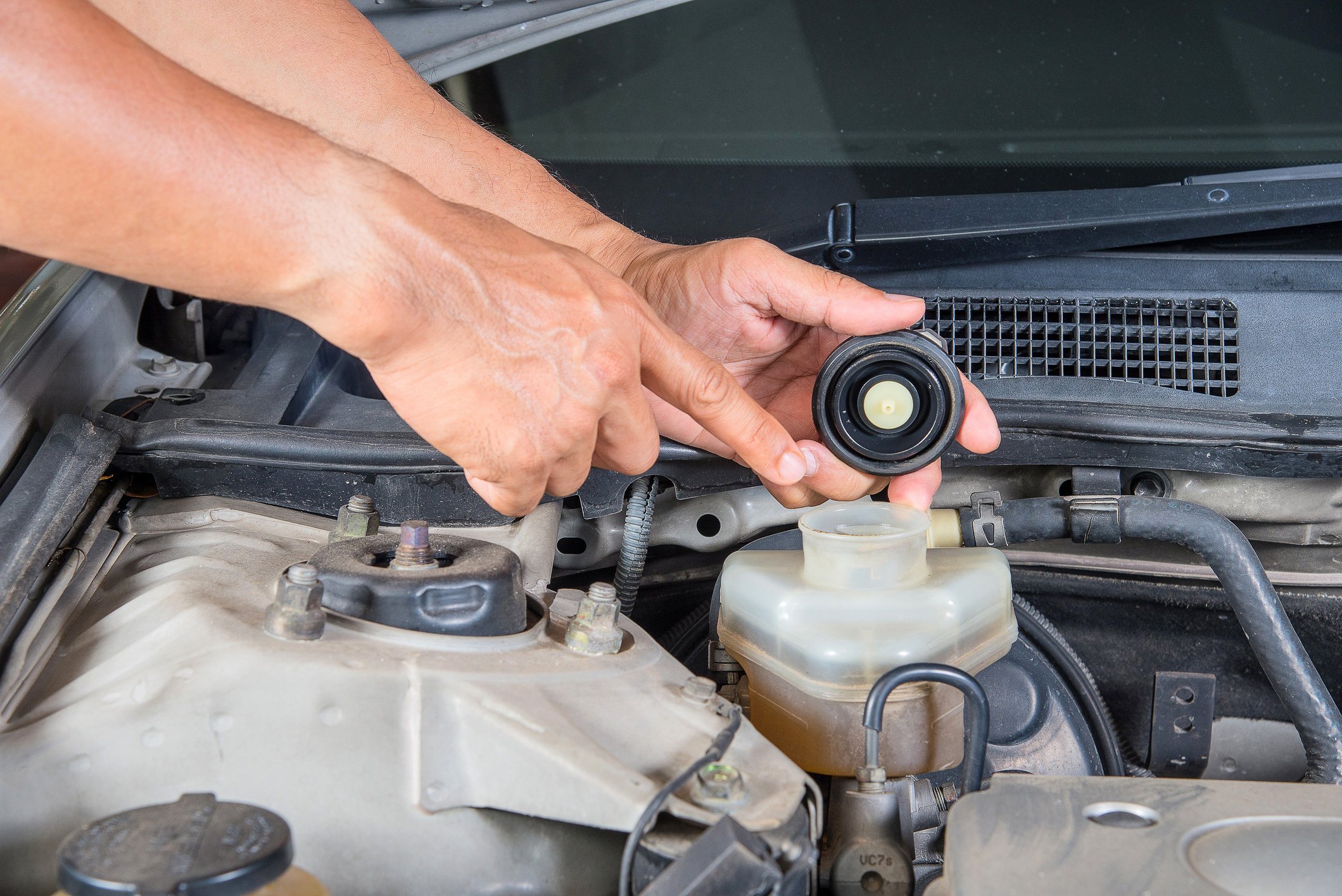
Park the car on a flat surface. Turn off the engine and let it cool. Open the hood and find the brake fluid reservoir. Clean the area around the reservoir cap to stop dirt from entering.
Checking Fluid Levels
Look at the brake fluid level on the reservoir. Most reservoirs have “Min” and “Max” marks. If the fluid is below the “Min” mark, it needs more brake fluid. Use the correct type of fluid for your car.
Proper Fluid Filling Technique
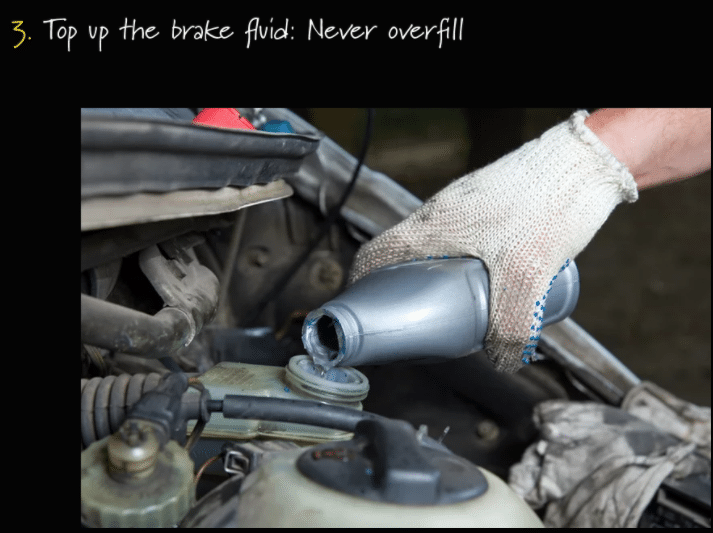
Remove the reservoir cap carefully. Pour brake fluid slowly to avoid spills. Fill up to the “Max” mark but do not overfill. Replace the cap tightly to prevent leaks. Wipe any spilled fluid immediately.
Common Mistakes To Avoid
Adding brake fluid sounds simple, but many make mistakes. These errors can cause damage or reduce brake performance. Avoid these common pitfalls to keep your brakes safe and working well.
Overfilling Brake Fluid
Do not fill the brake fluid reservoir above the max line. Overfilling can cause leaks or damage seals. It also leads to brake system problems. Always check the level carefully with the cap off. Stop adding fluid once it reaches the correct mark.
Using Wrong Fluid Type
Brake fluid comes in different types like DOT3, DOT4, and DOT5. Using the wrong type can harm your brake system. It may cause corrosion or poor brake response. Check your car manual for the right fluid. Only use the recommended type to avoid costly repairs.
Signs Of Brake Fluid Problems
Brake fluid is vital for safe driving. It helps transfer force from the brake pedal to the brakes. Problems with brake fluid can make braking unsafe. Knowing the signs helps you act early and stay safe on the road.
Brake Performance Issues
One sign of brake fluid problems is poor brake performance. The brake pedal may feel soft or spongy. You might need to press harder to stop the car. Sometimes, the brakes take longer to respond. This means the fluid may have air or leaks. These issues reduce your control when braking.
Fluid Leaks And Contamination
Brake fluid leaks are another clear sign. You may see wet spots under the car near the wheels. Low brake fluid levels often mean a leak in the system. Contaminated fluid looks dark or dirty. Water or dirt in the fluid weakens braking power. Regular checks can catch leaks and contamination early.
When To Seek Professional Help
Knowing when to seek professional help is important for brake fluid issues. Some problems need expert care to keep your car safe. Trying to fix complex brake problems alone can cause more damage.
Brake systems are critical for safety. If you notice any unusual signs, do not wait. A professional mechanic has the right tools and knowledge to fix brake issues properly.
Complex Brake System Repairs
Brake systems have many parts working together. Fixing leaks, replacing brake lines, or repairing the master cylinder requires skill. These repairs need special tools and experience. Attempting these fixes without training can lead to bigger problems. Trust a professional for these tasks to ensure your brakes work well.
Persistent Brake Issues
Brake problems that do not go away after adding brake fluid need a check. Soft or spongy brakes, strange noises, or warning lights are signs to see a mechanic. Persistent issues may mean a leak or worn brake parts. A professional can find and fix hidden problems. Do not ignore these signs for your safety.
Credit: www.prestoneuk.com
Frequently Asked Questions
Should The Car Be Running When Adding Brake Fluid?
No, the car should be off when adding brake fluid. This prevents air from entering the brake system and ensures safety during maintenance.
Can Adding Brake Fluid With Engine On Cause Damage?
Yes, adding brake fluid with the engine running can cause air bubbles. This reduces braking efficiency and may damage brake components.
How To Safely Add Brake Fluid To A Car?
Turn off the engine and clean the reservoir cap. Slowly add the correct brake fluid type, avoiding spills. Close the cap tightly afterward.
What Happens If Brake Fluid Is Added Incorrectly?
Incorrect addition can introduce air, causing a soft brake pedal. It may also lead to brake failure or costly repairs.
Conclusion
Adding brake fluid is a simple task but requires care. Keep the car off to avoid accidents or errors. Check the fluid level often and refill as needed. Use the correct type of brake fluid for your car. Clean the area around the reservoir to stop dirt from entering.
Taking these steps helps keep your brakes working well. Safety always comes first when handling brake fluid. Remember, a little caution can prevent costly repairs later.