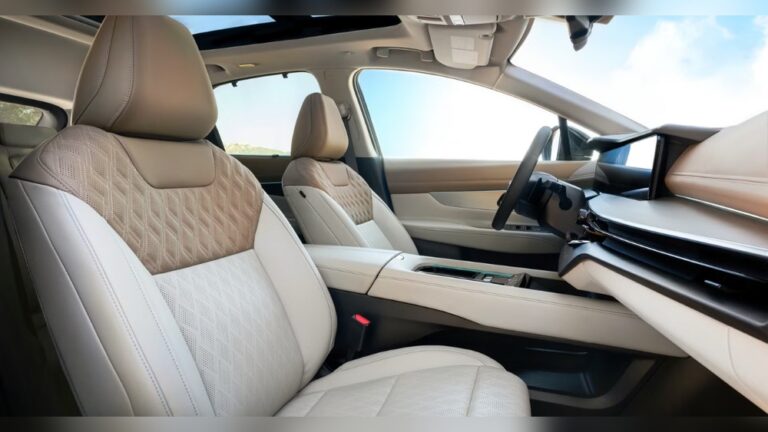

Is your car’s interior looking dull or worn out? Maybe the seats have faded, or the dashboard has lost its shine.
You might think repainting the interior is too complicated or expensive. But what if you could refresh your car’s look yourself, saving money and adding a personal touch? In this guide, you’ll discover simple, step-by-step tips to repaint your car’s interior like a pro.
Ready to transform your ride and feel proud every time you open the door? Keep reading to find out how easy it can be.
Credit: www.reddit.com
Preparing The Workspace
Preparing the workspace is the first step in repainting your car interior. A clean and organized area helps achieve a smooth, even paint job. It also prevents dust, dirt, and unwanted marks on the fresh paint.
Take time to set up your workspace properly. This reduces mistakes and saves time during painting.
Cleaning The Interior
Start by thoroughly cleaning the car interior. Use a vacuum to remove loose dirt and debris. Wipe down all surfaces with a mild cleaner and a soft cloth. Make sure to clean hard-to-reach areas. Dirt and oils can stop the paint from sticking well.
Removing Loose Parts
Remove parts that might get in the way. Take off seat covers, trim pieces, and knobs. This helps you paint evenly without missing spots. Keep track of screws and small parts. Store them safely for easy reassembly later.
Protecting Non-painted Areas
Cover areas you do not want to paint. Use masking tape and plastic sheets to protect windows, seats, and carpets. Make sure the tape sticks well to avoid paint bleeding. Proper protection keeps your interior neat and paint-free in unwanted spots.
Choosing The Right Paint
Choosing the right paint is key to a successful car interior repaint. The paint must suit the material and last long. It should also resist wear and fading. This helps keep your car looking fresh and new.
Many paints work for car interiors, but picking the best one saves time and effort. The right paint helps avoid peeling and cracking. It also makes cleaning easier. Understanding paint types, color choices, and needed tools helps you start right.
Types Of Interior Paints
Leather paint works best for seats and trim made of leather. It is flexible and prevents cracks. Fabric paint suits cloth seats and carpets. It sticks well and stays soft after drying. Vinyl paint is made for dashboards and plastic parts. It creates a smooth, durable finish. Always pick paint designed for car interiors to ensure good results.
Color Selection Tips
Choose colors that match or complement your car’s original shade. Dark colors hide dirt and stains better. Light colors can brighten the interior but show marks easily. Test paint on a small area first. Check how it looks in different lights. Think about your car’s style and your personal taste.
Tools And Supplies Needed
Prepare with good brushes or spray guns for smooth application. Use sandpaper to smooth surfaces before painting. Clean cloths remove dust and dirt. Masking tape protects areas you do not want to paint. Gloves keep your hands clean. Choose supplies made for automotive use for best results.
Prepping The Surface
Prepping the surface is the first and most important step in repainting your car’s interior. It helps paint stick well and last longer. A smooth, clean surface ensures the new color looks fresh and even. Skipping this step can lead to peeling, bubbling, or uneven finishes.
Sanding And Smoothing
Start by sanding the interior parts you want to paint. Use fine-grit sandpaper to remove old paint and rough spots. Sanding creates a rough texture that helps the new paint stick better. Wipe away dust with a clean cloth after sanding.
Applying Primer
Apply a primer to the sanded surface. Primer acts as a base for the paint and improves adhesion. Use a spray primer for even coverage. Hold the spray can about 6-8 inches away from the surface. Apply thin, light coats to avoid drips.
Drying Times
Allow the primer to dry completely before painting. Drying time can vary based on temperature and humidity. Usually, it takes about 30 minutes to 1 hour. Check the primer label for exact drying times. Proper drying prevents paint bubbles and ensures a smooth finish.

Credit: www.wikihow.com
Painting Techniques
Painting your car interior needs the right techniques for a smooth finish. The method you choose affects how the paint looks and lasts. Understanding different painting techniques helps you get the best results. Here are some common ways to paint your car interior.
Using Spray Paint
Spray paint covers large areas evenly and quickly. It reaches small corners that brushes can miss. Hold the can about 6 to 8 inches from the surface. Use short, even strokes to avoid drips. Move the spray can side to side in a steady motion. Let each layer dry before applying the next. Wear a mask to protect yourself from fumes.
Brush And Roller Methods
Brushes work well for small or detailed areas. Use a soft brush to avoid streaks and marks. Rollers cover flat surfaces faster than brushes. Choose a small foam roller for a smooth finish. Avoid pressing too hard to keep the paint even. Clean your tools right after painting to keep them in good shape.
Applying Multiple Coats
Multiple coats make the paint stronger and more durable. Apply thin layers rather than one thick coat. Thin coats dry faster and reduce drips. Wait 10 to 15 minutes between coats for best results. Lightly sand between coats to smooth the surface. Patience pays off with a professional-looking finish.
Finishing Touches
After painting your car’s interior, the final steps matter most. These finishing touches protect your work and bring everything together. Taking time here ensures a smooth, lasting finish. Let’s explore what you need to do next.
Sealing And Protecting
Apply a clear sealant to guard the paint from scratches and wear. Use a spray-on or brush-on sealant made for car interiors. This layer keeps color vibrant and prevents fading. Allow a thin, even coat to dry fully. Avoid thick layers that may peel or bubble.
Curing And Drying
Let the paint cure properly before touching or reassembling parts. Place your car in a dust-free area with good airflow. Keep windows open if possible. Curing can take from a few hours to several days. Follow the paint manufacturer’s instructions for best results.
Reassembling Interior Parts
Carefully put back all parts you removed before painting. Use clean tools and avoid scratching fresh paint. Check each piece fits well and functions correctly. Take your time to avoid damage. Your car’s interior looks refreshed and feels new again.
Maintenance Tips
Maintaining your freshly painted car interior keeps it looking new longer. Simple care can protect the paint and avoid costly repairs. Follow these tips to keep surfaces clean, safe, and beautiful.
Cleaning Painted Surfaces
Use a soft cloth to wipe painted areas gently. Avoid harsh chemicals that can damage paint. Mild soap and water work well for most dirt. Dry the surface with a clean towel to prevent water spots. Clean regularly to stop dirt build-up.
Avoiding Damage
Keep sharp objects away from painted surfaces. Avoid using abrasive tools that can scratch paint. Do not expose paint to direct sunlight for long hours. Heat can cause paint to fade or crack. Park in shaded areas or use a car cover when possible.
Touch-up Advice
Fix small chips or scratches quickly to prevent rust. Use paint that matches your interior color exactly. Apply touch-up paint with a fine brush in thin layers. Let each layer dry before adding more. Keep touch-up kits handy for easy repairs.

Credit: www.wikihow.com
Frequently Asked Questions
How Do I Prepare Car Interior For Repainting?
Start by cleaning all surfaces thoroughly to remove dirt and grease. Remove any loose paint or debris. Sand the area lightly for better paint adhesion. Use masking tape to protect areas not to be painted. Ensure the interior is dry before painting.
What Type Of Paint Is Best For Car Interiors?
Use flexible, durable, and heat-resistant paints designed for automotive interiors. Acrylic urethane or leather/vinyl-specific spray paints are ideal. These paints offer good adhesion and flexibility to withstand wear and tear inside the car.
Can I Repaint Car Seats And Dashboards Myself?
Yes, with proper preparation and the right paint, you can repaint seats and dashboards. Use specialized leather or vinyl paint for seats. For dashboards, use flexible spray paint designed for plastics. Take your time for a smooth, professional finish.
How Long Does Car Interior Paint Take To Dry?
Typically, car interior paint dries within 1 to 2 hours. However, full curing can take 24 to 48 hours. Avoid touching or using the painted surfaces during this period to ensure durability and prevent damage.
Conclusion
Repainting your car interior can give it a fresh new look. Take your time and prepare surfaces well. Use the right paint and tools for best results. Small steps make the process easier and less stressful. Enjoy the change and pride in your work.
Your car will feel more comfortable and stylish. Keep your interior clean to maintain the new paint. This simple project can save money and add value. Try it yourself and see the difference today.