
Have you ever wondered how long your car’s oil filter really lasts? You might think it’s something you can forget about until a warning light pops up.
But knowing the answer can save you time, money, and even prevent serious engine damage. You’ll discover exactly when and why you should change your oil filter to keep your car running smoothly. Keep reading—your engine will thank you for it.

Credit: www.reddit.com
Oil Filter Basics
Understanding the basics of an oil filter helps you care for your car better. The oil filter plays a key role in engine health. It removes dirt and debris from the engine oil. Clean oil keeps the engine running smoothly and prevents damage. Knowing the types and purpose of oil filters aids in making smart maintenance choices.
Purpose Of An Oil Filter
An oil filter cleans the engine oil by trapping dirt, metal particles, and other contaminants. This stops harmful substances from circulating in the engine. Clean oil lubricates engine parts, reduces wear, and helps the engine last longer. Without a good oil filter, the engine can get damaged quickly. The filter also helps keep oil flow steady for better engine performance.
Types Of Oil Filters
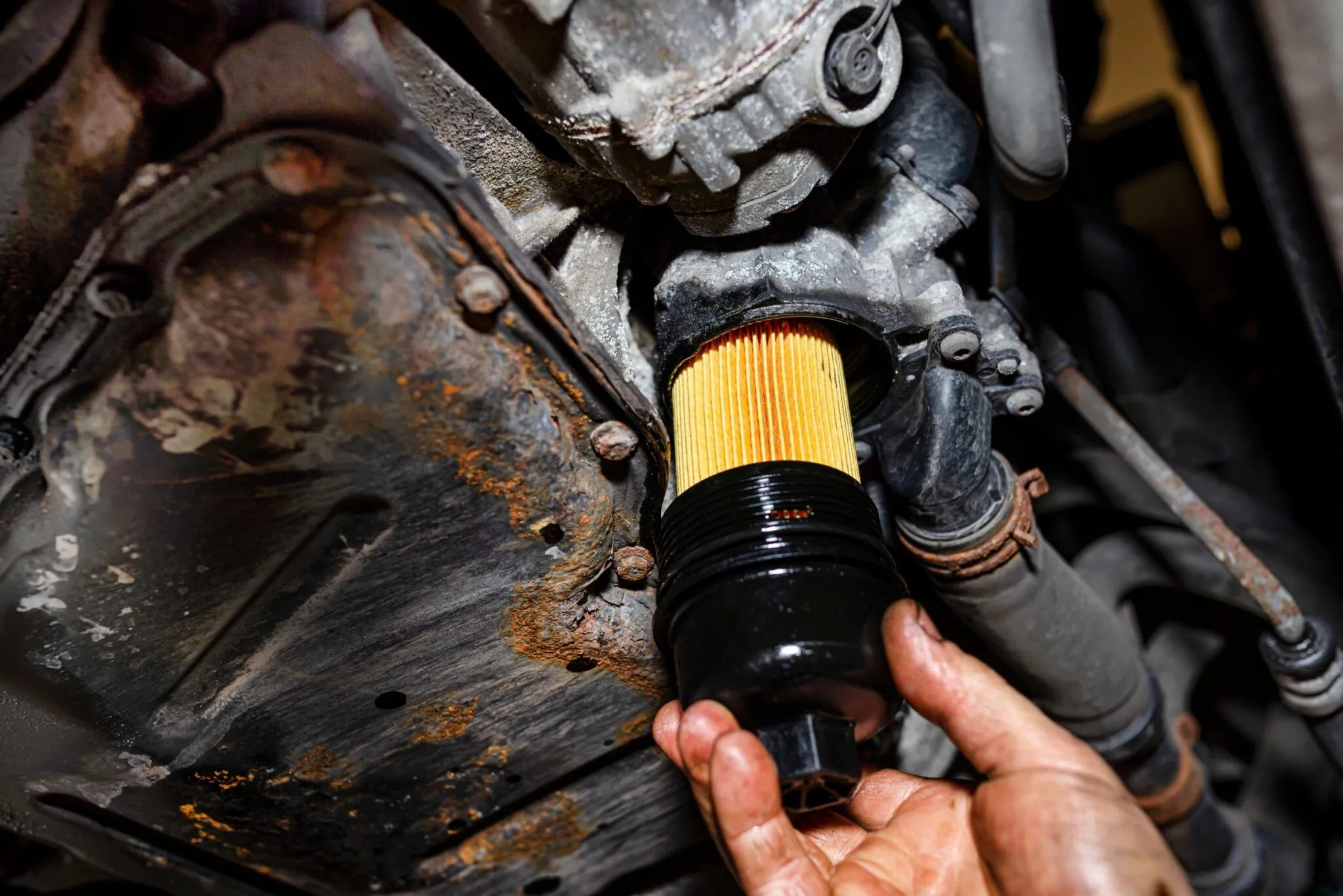
There are several types of oil filters available for cars. The most common types include spin-on, cartridge, and magnetic filters. Spin-on filters are easy to replace and widely used in many vehicles. Cartridge filters have a replaceable element inside a permanent housing. Magnetic filters use magnets to catch metal particles from the oil. Each type has pros and cons, but all aim to keep engine oil clean.
Typical Lifespan Of Oil Filters
Oil filters play a crucial role in keeping your engine clean. They trap dirt, metal, and other debris from the oil. Knowing how long an oil filter lasts helps you keep your car running smoothly. The typical lifespan depends on several factors, including the filter type and driving habits.
Manufacturer Recommendations
Most car makers suggest changing oil filters every 3,000 to 7,500 miles. This range varies by the type of oil used and the car model. Always check the owner’s manual for specific advice. Using the right filter and following the schedule helps avoid engine damage.
Impact Of Driving Conditions
Driving in tough conditions can shorten an oil filter’s life. Dusty roads, stop-and-go traffic, and extreme temperatures increase filter wear. Frequent short trips also affect how fast the filter clogs. Under these conditions, changing the filter more often is wise.
Signs To Replace Your Oil Filter
Knowing when to replace your car’s oil filter is key to keeping your engine healthy. The oil filter traps dirt and debris, protecting the engine from damage. Over time, the filter gets clogged and stops working well. Watch for signs that it is time for a change.
Decreased Engine Performance
A clogged oil filter can cause your engine to run poorly. You might notice less power or slower acceleration. The engine may also make strange noises. These issues happen because oil flow is reduced. Clean oil keeps the engine parts moving smoothly. Reduced flow means parts may wear faster.
Oil Contamination Indicators
Dirty oil is a sign the filter is failing. Check the oil color and texture regularly. Dark, gritty oil means the filter is not trapping debris. Sometimes, the oil warning light on the dashboard comes on. This alerts you to oil problems or low oil pressure. Changing the oil filter helps keep oil clean and engine safe.
Factors Affecting Oil Filter Life
The life of a car oil filter depends on several important factors. These factors affect how long the filter can clean the oil properly. Understanding them helps keep the engine healthy and running smoothly.
Knowing what affects oil filter life also helps decide when to change it. Not all filters last the same time in every car or condition. Some conditions wear out filters faster. Let’s explore the main factors that play a role.
Oil Quality And Type
The kind of oil used affects the filter’s life. High-quality oils create less dirt and sludge. This keeps the filter cleaner for longer. Synthetic oils often last longer than regular oils. They also help the filter work better. Low-quality oils can make the filter clog faster. Changing oil with poor quality means changing the filter sooner.
Driving Habits
Driving style impacts how fast the oil filter wears out. Short trips cause more engine wear and oil dirt. Stop-and-go traffic clogs the filter quickly. Long highway drives keep the engine cleaner. Smooth driving reduces stress on the filter. Harsh driving or heavy loads make the filter work harder. Frequent high speeds or towing reduce filter life.
Vehicle Age And Model
Older cars tend to create more engine dirt. This dirt clogs the oil filter faster. Newer models often have better engine designs. These engines produce less sludge and debris. Some car models have larger or better filters. These filters last longer than standard ones. Always check the vehicle’s manual for filter life advice.
Diy Oil Filter Replacement Tips
Changing your car’s oil filter by yourself saves money and helps you learn about your vehicle. The process is simple and needs some basic tools. You can do it safely with some care and preparation.
Tools Needed
- New oil filter
- Wrench or oil filter removal tool
- Drain pan
- Socket set or spanner
- Gloves
- Clean rag or paper towels
- Engine oil
Step-by-step Replacement Process
- Park the car on a flat surface and turn off the engine.
- Place the drain pan under the oil drain plug.
- Remove the drain plug and let the old oil drain out.
- Use the wrench to remove the old oil filter carefully.
- Check the old filter’s rubber seal and remove it if stuck.
- Apply a thin layer of new oil to the new filter’s seal.
- Install the new filter by hand until snug, then tighten slightly.
- Replace the drain plug and tighten it securely.
- Refill the engine with new oil as per your car’s manual.
- Start the engine and check for leaks around the filter and drain plug.
- Turn off the engine and check the oil level, adding more if needed.
Credit: www.startingroup.co.uk
Choosing The Right Oil Filter
Choosing the right oil filter is important for your car’s health. The right filter keeps the engine clean and running well. It stops dirt and debris from harming the engine parts. Not all filters fit every car. Picking the correct one helps avoid engine problems and saves money on repairs.
Compatibility With Your Vehicle
Every car model needs a specific oil filter size. Using the wrong filter can cause leaks or poor oil flow. Check your car manual for the right filter type. Some cars need filters with special features. Make sure the filter matches your car’s make, model, and year. This keeps the engine protected and working smoothly.
Brand And Quality Considerations
Choose brands known for good quality. Cheap filters may fail faster and let dirt inside. High-quality filters use better materials and last longer. Trusted brands meet industry standards for filtration. A good filter saves money by avoiding engine damage. Always buy filters from reliable sellers to ensure you get the real product.
Oil Filter Maintenance Best Practices
Keeping your car’s oil filter in good shape is key to engine health. Clean oil filters stop dirt and debris from damaging engine parts. Following simple maintenance steps helps your filter work better and last longer.
Good oil filter care saves money on repairs. It also keeps your car running smoothly every day.
Regular Inspection
Check the oil filter often for signs of damage or clogging. Look for leaks or cracks around the filter. A dirty or clogged filter can reduce engine performance. Catching problems early prevents bigger engine issues later. Use a flashlight to see hard spots clearly. Note any changes in your car’s oil color or texture, as this can signal filter problems.
Coordinating With Oil Changes
Change your oil filter at the same time as the oil. Old filters hold dirt and reduce oil flow. Replace the filter with every oil change to keep oil clean. Most cars need an oil change every 3,000 to 5,000 miles. Check your owner’s manual for exact timing. Using the right filter model is important. It fits better and works more effectively. This small step keeps your engine safe from wear and tear.
Credit: www.ramonatire.com
Frequently Asked Questions
How Often Should I Replace My Car Oil Filter?
Replace your car oil filter every 3,000 to 7,500 miles. Follow your vehicle’s manual for exact intervals. Regular changes maintain engine health and improve performance.
Can A Dirty Oil Filter Damage My Engine?
Yes, a dirty oil filter can restrict oil flow. This causes engine wear and reduces efficiency. Timely replacement prevents costly engine damage and ensures smooth operation.
What Factors Affect Oil Filter Lifespan?
Driving habits, oil quality, and vehicle type affect filter life. Frequent short trips and harsh conditions may require earlier changes. Always monitor and replace as recommended.
Is It Safe To Change The Oil Filter Myself?
Yes, changing the oil filter yourself is safe with proper tools. Follow manufacturer instructions and dispose of old oil responsibly. This saves money and helps maintain your car.
Conclusion
A car oil filter usually lasts between 3,000 and 7,500 miles. This depends on your car type and driving habits. Changing the filter on time keeps your engine clean and healthy. A clean filter helps oil flow smoothly and protects engine parts.
Ignoring it can cause engine damage and costly repairs. Check your car manual for the best replacement schedule. Regular filter changes save money and keep your car running well. Simple care keeps your car’s engine strong for a long time.