
Choosing the right oil filter for your car might seem simple, but it can make a big difference in how well your engine runs. If you pick the wrong one, your car could suffer from poor performance or even damage.
You want to protect your engine and keep it running smoothly for as long as possible. This guide will help you understand exactly what to look for when selecting an oil filter, so you can make the best choice for your vehicle.
Keep reading, and you’ll gain the confidence to pick the perfect oil filter every time.

Credit: www.amazon.com
Types Of Oil Filters
Choosing the right oil filter is important for your car’s engine health. Oil filters come in different types. Each type cleans oil in a unique way. Knowing the types helps you pick the best one for your car.
Mechanical Filters
Mechanical filters use a paper or fiber mesh to catch dirt and debris. They block particles from circulating in the engine oil. These filters are common and affordable. They work well for everyday driving conditions. Replace them regularly to keep the engine clean.
Synthetic Filters
Synthetic filters use man-made fibers for better filtration. They trap smaller particles than mechanical filters. These filters last longer and handle heat better. Ideal for cars driven in tough conditions or longer trips. Synthetic filters help protect the engine more effectively.
High-performance Filters
High-performance filters are designed for sports or heavy-duty cars. They use advanced materials to filter oil quickly and deeply. These filters support engines that run at high speeds or power. They help maintain engine performance and reduce wear. Choose these filters for demanding driving needs.

Credit: www.amazon.com
Key Features To Consider
Choosing the right oil filter helps protect your car’s engine. Some features matter more than others. These features ensure your engine runs smooth and lasts longer. Pay attention to these key points before buying an oil filter.
Filtration Efficiency
Filtration efficiency shows how well the filter cleans oil. Better filtration traps more dirt and particles. It keeps the engine oil pure. Choose a filter with high efficiency for better engine health. This lowers wear and tear on engine parts.
Filter Media Material
The filter media is the material inside the filter. It holds the dirt and debris. Common materials include cellulose and synthetic fibers. Synthetic media lasts longer and filters smaller particles. Cellulose is cheaper but less durable. Pick a media type that matches your driving conditions.
Bypass Valve Function
The bypass valve opens if the filter clogs. It lets oil flow to the engine anyway. Without it, oil flow stops and can damage the engine. Make sure the oil filter has a reliable bypass valve. It protects the engine during extreme conditions.
Anti-drain Back Valve
The anti-drain back valve stops oil from draining out when the engine is off. This valve keeps the filter full of oil. It reduces dry starts and engine wear. Look for a filter with this valve for better protection at startup.
Compatibility With Your Vehicle
Choosing the right oil filter means finding one that fits your vehicle perfectly. Compatibility is key for your car’s engine to run smoothly. An oil filter that does not match your car can cause leaks or poor filtration. This section helps you check if an oil filter suits your vehicle.
Checking Manufacturer Recommendations
Your car’s manual gives the best advice on oil filters. It lists filters that fit your model and engine type. Use this guide to avoid wrong sizes or types. Stick to filters approved by the manufacturer for best results.
Matching Filter Size And Thread
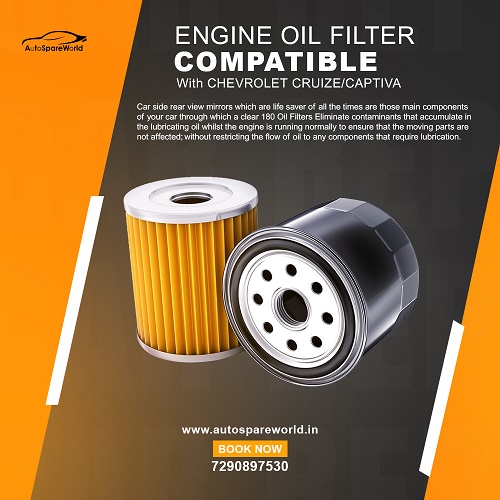
Oil filters have different sizes and thread patterns. The filter must screw on properly to avoid leaks. Check the diameter, height, and thread pitch before buying. A wrong size can cause engine damage or oil spills.
Considering Engine Type
Engines vary in size and design. Some need special filters for high performance or diesel engines. Know your engine type and pick a filter made for it. This protects the engine and keeps oil clean longer.
Brand Reputation And Quality
Choosing the right oil filter means trusting a brand known for quality. A good brand ensures the filter works well and lasts long. It protects your engine from dirt and keeps oil clean. Bad filters can cause engine damage or reduce performance.
Quality matters. It affects how well the filter traps particles and how durable it is. Strong materials and precise design help the filter do its job. Brand reputation often reflects this quality. Brands with a long history usually have better products.
Top Brands In The Market
Some brands stand out for reliability and quality. Brands like Bosch, Fram, Mobil 1, and K&N are popular choices. They make filters that meet or exceed industry standards. Choosing a well-known brand reduces the risk of buying a poor filter.
These brands often test their products thoroughly. They use good materials and modern technology. This means better engine protection and longer filter life.
Warranty And Customer Support
Good brands offer warranties on their oil filters. A warranty shows confidence in the product’s quality. It protects you from defects or early failure. Check the warranty terms before buying.
Customer support is important too. Brands with helpful support can guide you if problems arise. Easy access to service saves time and stress. It also shows the brand cares about customers.
User Reviews And Ratings
Reading user reviews helps understand real filter performance. Reviews reveal common problems or praise good features. High ratings often mean satisfied customers.
Look for reviews on trusted websites or forums. Pay attention to comments about filter fit, durability, and engine protection. Honest feedback helps make a smart choice.
Price Vs. Performance
Choosing the right oil filter means balancing price and performance. A cheap filter might save money upfront. But it could harm your engine over time. A premium filter costs more but offers better protection. Understanding this balance helps you pick the best filter for your car.
Budget Filters
Budget filters are the most affordable choice. They work well for older or low-mileage cars. These filters clean oil but may not catch very small particles. They usually have a shorter lifespan. Good for drivers who change oil often and want to save money.
Mid-range Options
Mid-range filters offer better performance than budget ones. They use finer filtering material to protect the engine better. These filters last longer and handle higher oil pressure. A solid choice for daily drivers wanting reliable engine care without high costs.
Premium Filters
Premium filters provide the highest level of protection. They trap tiny particles and resist damage under tough conditions. These filters often use synthetic materials for durability. Best for high-performance or newer cars that need extra care. More costly but help extend engine life.
Installation Tips
Installing an oil filter correctly is key to keeping your car’s engine healthy. A good installation stops leaks and ensures the oil flows well. Follow these simple tips for a smooth, safe installation. Doing it right saves time and money.
Tools You Need
Gather these tools before starting:
- Oil filter wrench
- Socket set or wrench
- Drain pan
- Clean rag or paper towels
- New oil filter
- Fresh engine oil
- Gloves (optional for cleanliness)
Having the right tools helps avoid damage and makes the job easier.
Step-by-step Installation
First, warm up the engine for a few minutes. This helps oil drain faster.
Place the drain pan under the oil filter. Use the oil filter wrench to remove the old filter. Clean the filter mounting surface with a rag.
Apply a little fresh oil to the rubber gasket on the new filter. This creates a good seal.
Install the new filter by hand. Turn it until it is snug. Avoid using tools to tighten it.
Check the oil drain plug and tighten it if needed. Add new engine oil to the right level.
Start the engine and check for leaks around the filter. Stop the engine and recheck the oil level.
Common Installation Mistakes
Not cleaning the mounting surface can cause leaks. Always wipe it clean.
Over-tightening the filter can damage the gasket. Hand-tighten only.
Forgetting to apply oil on the gasket can cause a poor seal.
Not warming the engine can slow oil drainage. Warm it for a few minutes.
Failing to check for leaks after installation risks engine damage.
Maintenance And Replacement Frequency
Keeping your car’s oil filter in good shape helps the engine run smoothly. Regular maintenance and timely replacement prevent dirt and debris from damaging engine parts. Knowing when to change your oil filter saves money and boosts car performance.
Signs You Need To Replace
Watch for dark, dirty oil on the dipstick. Engine noise or rough idling can also signal a clogged filter. Reduced fuel efficiency and warning lights on the dashboard are clear signs. Check for oil leaks around the filter area.
Recommended Replacement Intervals
Most car makers suggest changing the oil filter every 3,000 to 7,500 miles. Always follow the owner’s manual for exact guidance. Some filters last longer, but regular checks are important. Change the filter with every oil change to keep the engine healthy.
Impact Of Driving Conditions
Driving in dusty or off-road areas clogs filters faster. Frequent short trips and stop-and-go traffic increase wear on the filter. Extreme temperatures also affect filter life. Replace the filter more often under tough driving conditions to protect the engine.
Credit: www.autospareworld.in
Frequently Asked Questions
What Factors To Consider When Choosing An Oil Filter?
Consider your car’s make, engine type, and oil viscosity. Check filter size, filtration efficiency, and brand reputation for best performance.
How Often Should I Replace My Car’s Oil Filter?
Replace the oil filter every oil change, typically every 3,000 to 7,500 miles. Follow your car manufacturer’s maintenance schedule for accuracy.
Can Using The Wrong Oil Filter Damage My Engine?
Yes, the wrong filter can cause poor filtration or leaks. It may reduce engine life and cause costly repairs.
What Types Of Oil Filters Are Available For Cars?
Common types include spin-on, cartridge, and magnetic filters. Choose based on compatibility, ease of installation, and filtration needs.
Conclusion
Choosing the right oil filter helps keep your car’s engine clean. A good filter protects the engine from dirt and debris. Check your car’s manual for the correct type. Quality and size matter for proper fit and function. Changing the filter regularly keeps your engine running smoothly.
Don’t ignore this small but important part. A well-chosen oil filter saves money on repairs. Keep your car healthy and enjoy a better drive. Simple steps make a big difference in car care.