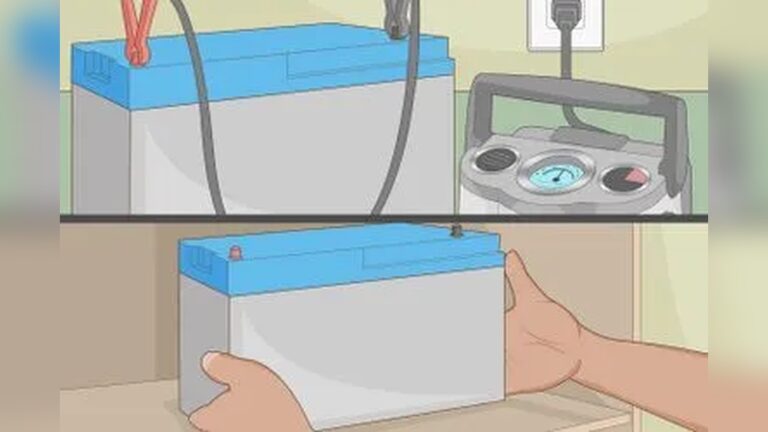

Have you ever found yourself staring at a dead car battery, wondering if you can bring it back to life? Knowing how to charge your car battery can save you time, money, and a lot of stress.
But is it really that simple? You’ll discover easy steps to safely charge your battery and get your car running again. Whether you’re stuck at home or on the road, understanding this can make all the difference. Keep reading to find out how you can take control and avoid being stranded.
Car Battery Basics
Understanding car battery basics helps you care for your vehicle better. A car battery powers the starter motor and the electrical system. It stores energy and provides power to start the engine. Knowing how it works can save you time and money on repairs.
Learning about different types of batteries and common issues helps maintain your car. It also guides you on when and how to charge a battery safely. This knowledge is useful for every car owner.
Types Of Car Batteries
There are mainly two types of car batteries: lead-acid and AGM. Lead-acid batteries are common and affordable. They use liquid acid inside to produce power. AGM batteries are newer and more durable. They hold acid in glass mats, making them spill-proof. Each type suits different cars and driving needs.
How Car Batteries Work
Car batteries create electricity through a chemical reaction. Inside, plates of lead and lead dioxide react with sulfuric acid. This reaction creates electrical energy. The battery sends this energy to start the engine. It also powers lights, radio, and other electronics when the engine is off.
Common Battery Issues
Batteries can lose charge over time or fail suddenly. Corrosion on terminals blocks power flow. Extreme cold or heat can reduce battery life. Leaving lights on drains the battery quickly. Regular checks help spot problems early and avoid breakdowns.
Signs Your Battery Needs Charging
Your car battery shows signs when it needs charging. These signs help you avoid getting stuck. Knowing them saves time and effort. Watch closely for these common symptoms.
Slow Engine Crank
The engine turns over slower than usual. It may take longer to start the car. This happens because the battery has less power. A slow crank means the battery is weak. Charging the battery can fix this problem.
Dim Lights
The headlights and dashboard lights look dimmer. Lights may flicker or seem less bright. This happens when the battery cannot supply enough power. Dim lights are a clear signal of battery issues. Charging helps restore the brightness.
Electrical Malfunctions
Car electronics may act strange or stop working. Radio, windows, or power seats may fail. These malfunctions occur when the battery voltage drops. A low battery can’t support all electrical parts. Charging the battery can resolve these faults.
Charging Methods
Charging a car battery is simple with the right method. Different methods suit different situations. Some work fast, others are slow but safe. Knowing these methods helps keep your battery healthy and your car ready.
Here are three common ways to charge a car battery safely and effectively.
Using A Battery Charger
A battery charger is a device that plugs into a power outlet. Connect its clamps to the battery terminals: red to positive, black to negative. Turn on the charger and let it do the work. This method is safe and good for slow charging. It restores battery power fully without damage.
Jump Starting Your Car
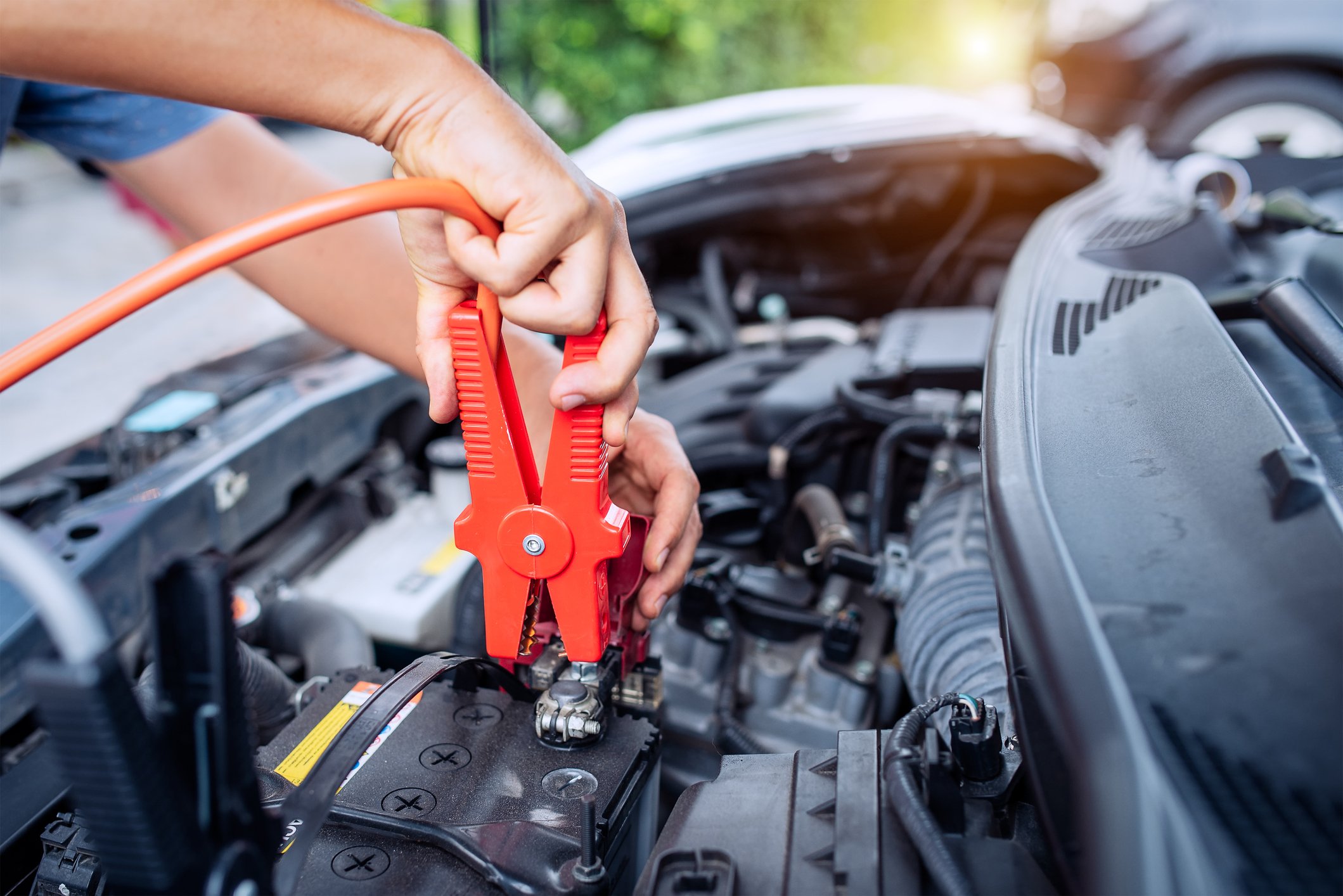
Jump starting uses another vehicle’s battery to give your car a quick boost. Attach jumper cables: red to positive, black to negative terminals on both cars. Start the working car first, then try starting your car. This method is fast but only for emergencies. It does not fully charge the battery.
Trickle Charging
Trickle charging is a slow and steady way to charge a battery. It uses a low power charger to keep the battery topped up. This method is ideal for cars not driven often. It prevents the battery from losing power over time. Trickle chargers can stay connected for days safely.
Safety Tips For Charging
Charging a car battery can be risky without the right safety steps. Batteries hold strong power and can cause injury or damage. Follow these safety tips to protect yourself and your vehicle during charging.
Protective Gear
Wear safety glasses to protect your eyes from sparks or acid splashes. Use gloves to keep your hands safe from battery acid. Avoid loose clothing that can catch on battery parts. Safety gear reduces the chance of injury.
Avoiding Sparks
Keep sparks and flames away from the battery. Sparks can ignite explosive gases from the battery. Connect the charger cables carefully. Attach the positive cable first, then the negative. This order helps reduce spark risks.
Proper Ventilation
Charge the battery in a well-ventilated area. Battery gases can build up and cause explosions. Open windows or work outside for fresh air. Good airflow keeps dangerous gases from accumulating.
Charging Time And Tips
Charging your car battery properly takes time and care. Knowing how long to charge and recognizing when the battery is full helps avoid damage. Simple tips can keep your battery healthy for a longer time.
How Long To Charge
Charging time depends on the battery size and charger type. Small batteries take about 2 to 4 hours on a standard charger. Larger car batteries may need 6 to 12 hours or more.
Using a fast charger can reduce time but may risk battery life. Slow and steady charging is safer. Always follow the charger instructions for best results.
Signs Of Full Charge
A fully charged battery shows steady voltage around 12.6 volts or higher. Some chargers stop charging automatically when full. Other signs include no change in charger light or sound.
Check the battery voltage with a multimeter for accuracy. Avoid overcharging, as it can cause damage or reduce battery life.
Maintaining Battery Health
Keep battery terminals clean and free from corrosion. Check water levels in non-sealed batteries regularly. Avoid deep discharges by charging before the battery is very low.
Store batteries in cool, dry places during long periods without use. Regular charging and maintenance extend battery life and reliability.
Credit: www.batteriessunshinecoast.com.au
When Not To Charge
Knowing when not to charge your car battery is very important. Charging at the wrong time can cause harm. It can reduce battery life or even cause accidents. This part explains three main cases to avoid charging.
Battery Damage
Do not charge a battery that looks damaged. Cracks, leaks, or bulges are signs of damage. Charging these can cause acid leaks or fires. It is safer to replace a damaged battery.
Expired Batteries
Old batteries lose their ability to hold charge well. Charging expired batteries may not work. They can overheat or fail suddenly. Check the battery’s age before charging it.
Corrosion Issues
Do not charge if battery terminals have corrosion. Corrosion blocks electrical flow. Charging in this state can cause sparks or damage. Clean terminals before trying to charge the battery.
Alternatives To Charging
Sometimes charging a car battery is not possible or practical. You might need another solution to get your car running. Several alternatives can help you in these situations. These options can save time and effort.
Battery Replacement
Replacing the battery is a direct way to solve the problem. Car batteries wear out over time and lose their ability to hold a charge. Buying a new battery ensures your car starts reliably. Installation is simple and often fast. This option is good if your battery is old or damaged.
Professional Help
Calling a mechanic or roadside service can be a smart choice. Experts have the tools and skills to fix or replace your battery. They can test the battery’s health and suggest the best solution. This option avoids guesswork and ensures safety. It is ideal if you don’t feel comfortable handling the battery yourself.
Portable Jump Starters
Portable jump starters are small devices that can start your car without another vehicle. They are easy to carry and use. Just connect the clamps to your battery and turn the device on. This method is quick and effective for emergencies. It also lets you restart your car multiple times before recharging the jump starter.
Credit: www.rac.co.uk

Credit: www.youtube.com
Frequently Asked Questions
Can You Charge A Car Battery With A Regular Charger?
Yes, you can charge a car battery using a regular charger. Ensure the charger matches your battery type and voltage. Follow safety instructions to avoid damage or injury. Charging time varies depending on battery condition and charger power.
How Long Does It Take To Charge A Car Battery?
Charging a car battery typically takes 4 to 24 hours. The time depends on battery capacity, charger type, and battery condition. Fast chargers reduce charging time but require careful monitoring to prevent overheating or damage.
Can A Dead Car Battery Be Fully Recharged?
Yes, a dead car battery can often be fully recharged if it’s not permanently damaged. Use a suitable charger and allow enough time. If the battery doesn’t hold charge, it might need replacement.
Is It Safe To Charge A Car Battery Indoors?
Charging a car battery indoors is generally safe if the area is well-ventilated. Battery gases can be hazardous, so avoid enclosed spaces. Follow all safety guidelines and never smoke near the battery.
Conclusion
Charging your car battery is possible with the right tools and care. Always follow safety steps to avoid accidents. Regular battery checks help keep your car running smoothly. Simple chargers work well for most batteries. Knowing how to charge saves time and money.
Stay cautious and never rush the process. Your car battery will thank you with reliable starts. Keep this guide handy for future battery needs.