
Have you ever wondered if your car battery can die while you’re driving? It’s a question that might not cross your mind until you’re stuck on the side of the road with a dead engine.
Understanding what really happens to your battery while you’re behind the wheel could save you from unexpected trouble. You’ll discover the truth about your car battery’s behavior on the move and learn what signs to watch for. Keep reading, because knowing this could make all the difference the next time you hit the road.

Credit: carfromjapan.com
How Car Batteries Work
The car battery plays a key role in starting and running a vehicle. It stores electrical energy and powers the car’s systems. Understanding how the battery works helps explain if it can die while driving. The battery and alternator work together to keep the car running smoothly.
Role Of The Alternator
The alternator charges the battery as the engine runs. It converts mechanical energy into electrical energy. This energy powers the car’s electrical systems. The alternator keeps the battery full of charge. Without it, the battery would drain quickly.
Battery’s Function During Driving
The battery provides power to start the engine. After the engine starts, the alternator takes over. The battery supports the electrical system when the engine is off. It also helps during short power needs. The battery alone cannot power the car for long while driving.
Signs Of A Failing Battery
Car batteries usually last several years. But signs appear when a battery is failing. Noticing these signs early helps avoid sudden breakdowns. Pay close attention to how your car behaves. Strange symptoms often point to battery problems. Below are key signs that your battery might be dying.
Dashboard Warning Lights
The battery or charging system warning light may turn on. This light looks like a battery icon. It appears on the dashboard when the battery struggles. The check engine light can also come on. These lights warn of electrical system trouble. Ignoring them risks losing power while driving.
Dim Lights And Electrical Issues
Headlights and interior lights may dim unexpectedly. Dim lights show the battery cannot keep full power. Other electrical parts may act strange. Radio or dashboard controls might flicker or stop working. These issues signal the battery is weakening. Watch for these signs especially at low speeds.
Engine Stalling Or Difficulty Starting
The engine may stall without warning. This happens because the battery can’t support the spark plugs. Starting the car might take longer than usual. Sometimes, the engine fails to start at all. These are serious signs of a failing battery. Immediate attention can prevent being stranded.
Can A Battery Die While Driving?
Can a car battery die while driving? Many drivers worry about this. The battery powers the car’s electrical system at startup. Once the engine runs, the alternator usually takes over. Yet, some battery problems may still cause issues on the road.
Understanding how the battery and alternator work helps answer this question. Problems with either part can lead to power loss. Let’s explore the differences and what happens if the battery fails.
Battery Vs. Alternator Failure
The battery stores electrical energy to start the car. After that, the alternator charges the battery and powers the car’s electrical needs. If the battery is old or weak, it may not hold a charge well.
Alternator failure is more common during driving. If it fails, the battery stops charging. The car will rely only on the battery’s remaining power. That power runs out quickly, causing the car to lose electrical systems.
Battery failure alone rarely happens while driving. Most often, the alternator stops working first. Both parts must be in good condition for smooth driving.
What Actually Happens When Battery Fails
If the battery fails while driving, the car may keep running for a short time. The alternator tries to supply power. If the alternator is healthy, the car stays on.
A dead battery means no backup if the alternator fails. Electrical systems will shut down gradually. Lights dim, dashboard warnings show, and power steering may stop.
The engine may stall as electronic systems fail. The car can stop running and become hard to restart. Safety may be at risk without power steering or brakes.
Regular battery and alternator checks can prevent these problems. Early signs of battery failure include slow engine cranking and dim lights.

Credit: carfromjapan.com
Consequences Of Battery Failure On The Road
Battery failure while driving can cause serious problems. It affects many parts of your car. Knowing the consequences helps you stay safe on the road.
Loss Of Electrical Systems
The battery powers all electrical parts in the car. Lights, radio, and dashboard controls rely on it. If the battery dies, these systems stop working. This can make driving at night very dangerous. You might lose your windshield wipers during rain. That can block your view and cause accidents.
Impact On Engine Performance
The battery helps the engine run smoothly. It powers the spark plugs and fuel systems. Without battery power, the engine may stall or run poorly. Your car might jerk or lose power suddenly. This can happen on busy roads or highways. It puts you and others at risk.
Safety Risks
A dead battery can create many safety hazards. Losing control of your car is possible. You might get stranded in unsafe places. Emergency signals like hazard lights also stop working. This reduces your chance to warn other drivers. Battery failure can turn a small problem into a big danger.
Preventing Battery Failure While Driving
Preventing battery failure while driving is key to avoiding unexpected breakdowns. A car battery can fail suddenly, leaving you stranded. Taking simple steps helps keep your battery healthy and your drive smooth.
Regular Battery Maintenance
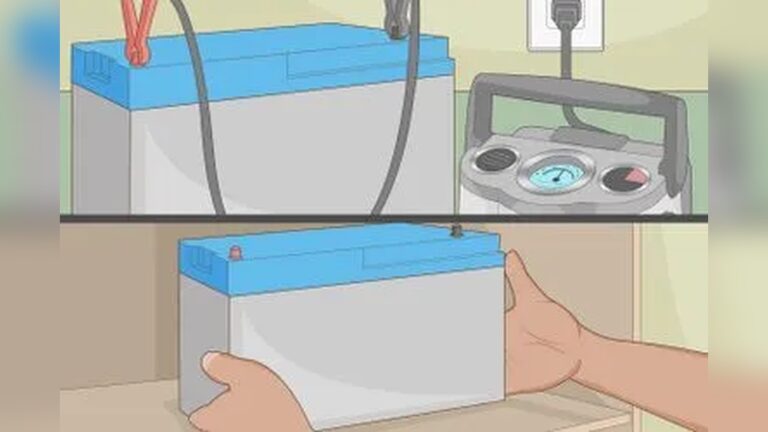
Check your battery terminals for dirt and corrosion. Clean them using a brush and baking soda solution. Tighten loose connections to ensure steady power flow. Replace old batteries every three to five years. Keep the battery case dry and free from cracks.
Checking Charging System
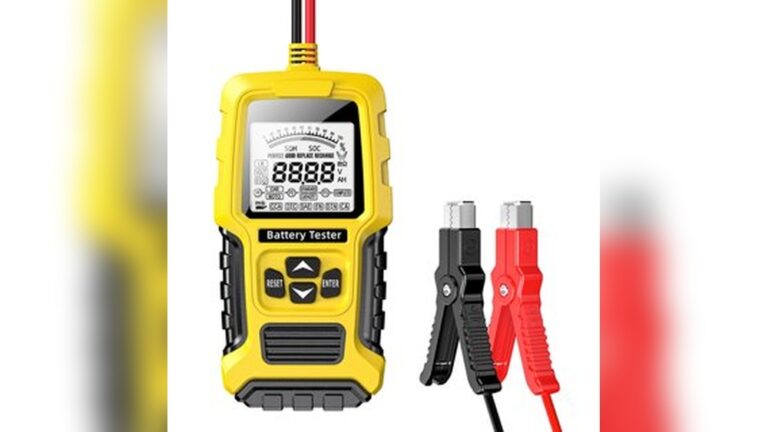
Test your alternator regularly to confirm it charges the battery properly. Use a voltmeter to check voltage levels while the engine runs. Voltage should stay between 13.5 and 14.5 volts. A weak charging system can drain the battery quickly. Visit a mechanic if voltage falls outside this range.
Early Warning Signs To Watch
Listen for slow engine starts or dim headlights. Notice if electrical parts act strangely or flicker. A warning light on your dashboard may indicate battery problems. Watch for swollen battery cases or leaking fluid. Detecting these signs early can prevent failure while driving.
What To Do If Battery Dies On The Road
Car battery failure while driving can be sudden and scary. Knowing what to do helps keep you safe and get back on the road fast. This guide covers key steps to handle a dead battery on the road.
Immediate Safety Steps
Stay calm and keep control of the vehicle. Turn on your hazard lights to warn other drivers. Slowly steer the car to the side or shoulder of the road. Avoid stopping in traffic lanes or on curves. Set the parking brake once stopped. Stay inside the vehicle if it is safe. Use your phone to call for help if needed.
How To Restart The Car
Try turning the key or pressing the start button again. Sometimes the battery regains enough power for a restart. If the car does not start, do not keep trying. Restart attempts can drain the battery further. If you have jumper cables and a helper, jump-start the car. Connect cables carefully following proper safety steps. After a successful jump, keep the engine running for a while. This helps recharge the battery.
When To Call For Help
Call roadside assistance if you cannot restart the car. A dead battery may require professional tools or replacement. Contact a tow service to move your vehicle safely. Inform someone about your location and situation. Avoid trying risky repairs on busy roads. Help is the safest and fastest solution.

Credit: www.reddit.com
Frequently Asked Questions
Can A Car Battery Die While Driving?
Yes, a car battery can die while driving if the alternator fails. The battery relies on the alternator to recharge. If the alternator stops working, the battery will drain and eventually die, causing the car to lose power.
What Causes A Battery To Die During Driving?
A faulty alternator, loose battery cables, or a damaged serpentine belt can cause battery failure while driving. These issues prevent proper charging, leading to battery drainage and eventual failure.
How To Know If My Battery Is Dying While Driving?
Signs include dimming headlights, electrical malfunctions, or warning lights on the dashboard. These symptoms indicate the battery is not charging properly and may die soon.
Can A Dead Battery Stop My Car Suddenly?
Yes, a dead battery can cause the engine to stall and the car to stop suddenly. Without battery power, essential systems like ignition and fuel injection fail to operate.
Conclusion
A car battery can die while driving, but it is rare. Usually, the alternator keeps the battery charged. Signs like dim lights or strange sounds warn you early. Regular checks help avoid sudden battery failure. Keep your battery and charging system in good shape.
Stay alert to your car’s signals. This helps you drive safely and prevents unexpected stops. Simple care extends your battery’s life. Don’t ignore small problems; they can grow fast. Your car depends on a healthy battery to run smoothly.