
Have you ever found yourself wondering, “Can I charge a battery with my car?” Maybe your phone is dead, your laptop is low, or you have a spare battery that needs power.
It’s a question that comes up often, especially when you’re on the go and need a quick fix. The good news is—your car can be a powerful tool to help. But how exactly does it work? And what should you know before you try?
Keep reading, because understanding this simple trick could save you time, money, and frustration when you least expect it.

Credit: www.youtube.com
How Car Batteries Work
Understanding how car batteries work helps you see if you can charge one with your car. Car batteries store electrical energy. They power your car’s starter and electrical systems.
The battery needs regular charging to stay strong. This charging happens while driving, thanks to the alternator. Let’s explore how these parts work together.
Basic Battery Functions
A car battery stores electricity as chemical energy. It supplies power to start the engine. Without a charged battery, the car won’t start.
The battery also powers lights, radio, and other electrical parts when the engine is off. It holds energy until the alternator recharges it.
Role Of The Alternator
The alternator creates electricity while the engine runs. It charges the battery and powers the car’s systems.
The alternator uses engine power to generate an electric current. This current flows to the battery and other electrical parts.
Without the alternator, the battery would drain quickly. The car would lose power after a short time.

Credit: www.carfax.com
Charging A Battery With Your Car
Charging a battery with your car can be helpful in many situations. Your car’s electrical system can provide power to a weak or dead battery. This method is common and simple, but it requires care and attention. Understanding how your car’s system works helps you charge safely and effectively.
Using The Car’s Alternator
The alternator charges your car battery while the engine runs. It converts mechanical energy into electrical energy. This process keeps the battery full and powers your car’s electronics.
You can use this feature to charge a weak battery by leaving the engine on. The alternator sends current to the battery, restoring its charge slowly. Drive your car for at least 20-30 minutes to get a good charge.
Do not leave the engine running in a closed space. Exhaust fumes can be dangerous. Always check that the battery terminals are clean and connected well before charging.
Jump-starting Another Battery
Jump-starting uses your car’s battery to start another vehicle’s dead battery. It is a quick way to get a car running.
Use jumper cables to connect the two batteries. Attach the red cable to the positive terminals and the black cable to the negative terminals. Start the car with the good battery first.
After a few minutes, try to start the car with the dead battery. Once it starts, remove the cables carefully in reverse order. Let the car run to allow the alternator to recharge the battery.
Safety Precautions
Charging a battery with your car can be useful in many situations. Safety is the top priority. Taking the right precautions prevents accidents and damage. Understanding the correct steps protects you and your vehicle.
Proper Connection Techniques
Start by turning off the car and all electronics. Connect the positive cable to the positive terminal first. Then, attach the negative cable to the negative terminal. Make sure the clamps are tight and secure. Avoid touching the clamps together during the process.
Check the terminals for dirt or corrosion. Clean them before connecting to ensure a good contact. A poor connection can cause sparks or slow charging. Follow these steps carefully every time you connect the battery.
Avoiding Electrical Hazards
Always wear protective gloves and eye protection. Batteries contain acid that can cause burns. Keep sparks and flames away from the battery area. Never smoke near the battery during charging. Work in a well-ventilated area to avoid gas buildup.
Do not touch metal parts with bare hands when cables are connected. Avoid standing on wet surfaces or touching grounded objects. These steps reduce the risk of electric shock and injury. Safety precautions help ensure a smooth and safe battery charge.
Limitations Of Car Charging
Charging a battery using your car is possible, but it has limits. Knowing these limits helps avoid problems and ensures safe charging. The process depends on several factors that affect how well and how fast your battery charges.
Battery Condition Matters
The battery’s health affects charging success. Old or damaged batteries may not hold a charge well. A weak battery can cause slow or incomplete charging. Check the battery for cracks, leaks, or corrosion before charging. A good battery charges faster and stores power better.
Charging Time Expectations
Charging a battery with your car takes time. It is slower than using a dedicated charger. The car’s alternator provides limited power for charging. Expect the process to take several hours or more. Patience is key to avoid damaging the battery or car electrical system.
Alternative Charging Methods
There are simple ways to charge a battery without using a car. Alternative charging methods help when a car is not an option. These methods are easy and handy for many situations.
Portable Battery Chargers
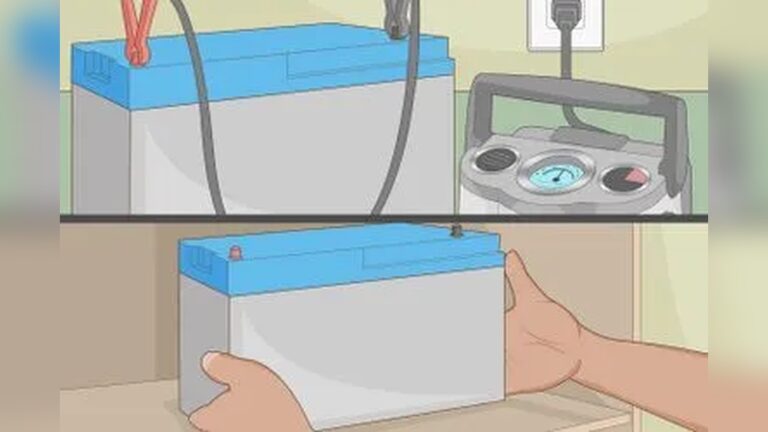
Portable battery chargers are small devices that charge batteries on the go. They are light and easy to carry. You just connect the charger to the battery. Then plug it into a wall socket or USB port. Some models have built-in safety features to protect the battery. These chargers work well for car batteries, phones, and other small devices. They provide a quick and safe charging solution anywhere.
Solar Battery Chargers
Solar battery chargers use sunlight to charge batteries. They have solar panels that collect energy from the sun. This energy is then stored in the battery. Solar chargers are eco-friendly and free to use after buying the device. They work best outside in direct sunlight. Solar chargers are great for camping, hiking, or emergency use. They keep your batteries powered without electricity.

Credit: www.wikihow.com
Frequently Asked Questions
Can I Charge A Battery Using My Car’s Alternator?
Yes, your car’s alternator can charge a battery when the engine runs. It provides a steady current to recharge the battery safely.
How Long Does It Take To Charge A Battery With A Car?
Charging time varies but usually takes several hours. It depends on the battery size and the car’s alternator output.
Is It Safe To Charge A Battery Inside A Car?
Yes, it’s generally safe if proper cables and connections are used. Avoid sparks and ensure good ventilation during charging.
Can I Charge A Dead Battery By Jump-starting My Car?
Jump-starting provides a quick boost, not a full charge. After jump-starting, drive the car to allow the alternator to recharge the battery.
Conclusion
Charging a battery with your car is possible but needs care. Always check the car and battery instructions first. Use proper cables and connect them correctly. Avoid sparks and never let cables touch. Keep the engine running to help charge safely.
Watch the process to prevent any issues. Simple steps can save your battery in emergencies. Stay safe and take your time. This method works best for small batteries, not big ones. Remember, safety matters most when charging on the go.