
Are you wondering how often you should change the spark plugs in your car? Knowing the right time to replace them can save you from unexpected breakdowns and keep your engine running smoothly.
Spark plugs play a crucial role in your car’s performance, but they often get overlooked until problems arise. You’ll discover simple signs to watch for and learn exactly when and why changing your spark plugs matters. Keep reading to make sure your car stays reliable and efficient on the road.

Credit: www.reddit.com
Role Of Spark Plugs
Spark plugs play a vital role in a car’s engine. They create the spark that ignites the air-fuel mix. This ignition powers the engine and keeps the car running smoothly. Without good spark plugs, the engine may misfire or stall.
Regularly checking and changing spark plugs helps maintain engine health. Knowing their role helps you understand why timing for replacement matters.
Function In Engine Performance
Spark plugs deliver the spark needed to start combustion. This combustion drives the pistons inside the engine. Good spark plugs improve fuel efficiency and reduce emissions. Worn plugs cause rough idling and poor acceleration. They can also increase fuel consumption. Keeping spark plugs in good shape ensures steady engine power.
Types Of Spark Plugs
There are several spark plug types for different engines. Copper plugs are common and affordable but wear out faster. Platinum plugs last longer and handle higher temperatures. Iridium plugs are the most durable and provide strong sparks. Choosing the right type affects engine performance and plug life. Always check your car’s manual for the recommended spark plug type.
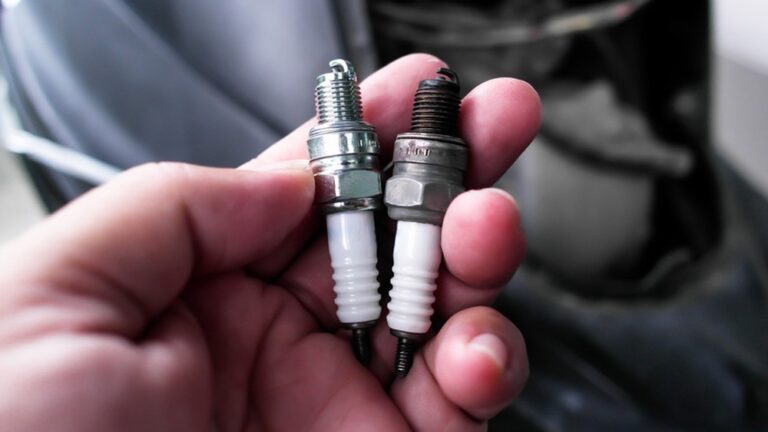
Signs Of Worn Spark Plugs
Worn spark plugs can cause many problems in your car. They affect the engine’s performance and fuel use. Knowing the signs helps you change them on time. This keeps your car running smooth and saves money on repairs.
Engine Misfires And Rough Idling
One clear sign of worn spark plugs is engine misfires. The engine may run unevenly or shake. You might notice rough idling, where the car feels unstable at stop. These happen because spark plugs fail to ignite fuel properly.
Decreased Fuel Efficiency
Bad spark plugs lower your car’s fuel efficiency. The engine burns more fuel to work right. You will see more trips to the gas station. Changing spark plugs can help improve mileage and save fuel costs.
Difficulty Starting The Engine
Hard starts are another sign of worn spark plugs. Your car may take longer to start or fail to start at all. This happens because the spark plugs don’t create a strong spark. Replacing them makes starting easier and quicker.
Manufacturer Recommendations
Car makers give clear advice on how often to change spark plugs. These recommendations help keep your engine running well. Following them can save money and avoid engine troubles. Each vehicle has a suggested interval based on its design and engine type.
Standard Replacement Intervals
Most manufacturers suggest changing spark plugs every 30,000 to 100,000 miles. Traditional copper spark plugs usually need replacement near 30,000 miles. Platinum or iridium plugs last longer, often up to 100,000 miles. These intervals depend on driving habits and road conditions. Regular checks can spot wear before it causes problems.
Variations By Car Model And Make
Different car brands have unique spark plug schedules. Some models with high-performance engines require more frequent changes. Luxury cars often use longer-lasting spark plugs but still follow a set timeline. Always check the owner’s manual for your specific car. Ignoring these guidelines may reduce engine efficiency and increase fuel use.
Factors Affecting Spark Plug Life
Spark plugs do not last forever. Their life depends on many factors that affect how well they work. Knowing these factors helps you decide when to change them. Some parts wear out faster depending on how you drive and care for your car.
Driving Habits And Conditions
Driving style impacts spark plug life. Short trips cause plugs to wear faster. The engine does not reach full temperature during short drives. This causes more carbon buildup on the plugs.
Hard acceleration and heavy loads put more stress on spark plugs. Driving on rough roads or in dusty areas also adds wear. High speeds and stop-and-go traffic strain the engine. All these conditions reduce spark plug life.
Fuel Quality And Engine Maintenance
Good fuel helps spark plugs last longer. Low-quality fuel can cause deposits on the plugs. These deposits reduce spark efficiency and cause misfires.
Regular engine maintenance keeps spark plugs healthy. Clean air filters and timely oil changes reduce engine strain. Well-maintained engines burn fuel cleaner. This protects spark plugs from early damage.
Types Of Spark Plugs And Their Lifespan
Spark plugs vary by material and design. Each type offers different benefits and lifespan. Knowing the types helps you decide when to replace them. The right spark plug keeps your engine running smooth and saves money.
Copper Spark Plugs
Copper spark plugs use a copper core for heat transfer. They provide good performance at a low cost. These plugs wear out faster than others. Their lifespan usually ranges from 20,000 to 30,000 miles. Copper plugs need more frequent changes to keep the engine healthy.
Platinum And Iridium Spark Plugs
Platinum and iridium spark plugs last longer than copper ones. Platinum plugs last about 60,000 miles. Iridium plugs can last up to 100,000 miles. They resist wear and heat better. These plugs maintain strong sparks for a long time. Using them reduces the need for frequent replacements.

Credit: blog.purchaser.com.pk
Checking And Replacing Spark Plugs
Checking and replacing spark plugs is important for your car’s health. Spark plugs help start the engine and keep it running smoothly. Over time, they wear out and need a change. Regular checks can prevent engine problems and save money on repairs. Knowing how to inspect and replace spark plugs can keep your car in good shape.
Tools Needed
You need a few simple tools for this job. A spark plug socket, ratchet wrench, and extension bar are essential. A gap gauge helps measure the spark plug gap. Use a torque wrench to tighten plugs to the right level. Safety gloves and eye protection are also important.
Step-by-step Replacement Process
First, make sure the engine is cool. Open the hood and find the spark plugs. Remove the spark plug wires carefully. Use the spark plug socket and ratchet to unscrew old plugs. Check each plug’s condition and gap. Install new spark plugs, tightening them with a torque wrench. Reattach the wires in the same order. Start the engine to ensure it runs well.
When To Seek Professional Help
Some spark plugs are hard to reach or need special tools. Strange engine sounds or poor performance may mean deeper issues. If unsure about the process, ask a mechanic. Professionals can spot hidden problems and fix them safely. Better safe than sorry with your car’s engine.
Impact Of Spark Plug Maintenance On Car Performance
Spark plug maintenance plays a key role in your car’s overall performance. Clean and well-functioning spark plugs help the engine run smoothly. This affects fuel use, power output, and emissions. Regular checks and changes keep your vehicle efficient and reliable. Neglecting spark plugs can cause rough idling, poor acceleration, and higher fuel costs. Understanding how spark plugs impact performance helps you maintain your car better.
Improved Fuel Economy
Good spark plugs burn fuel more efficiently. This means the engine uses less gas for the same distance. Worn plugs cause incomplete fuel burning, wasting fuel. Changing spark plugs on time saves money at the pump. Your car will travel farther on every gallon of fuel.
Enhanced Engine Power
Fresh spark plugs create a strong spark for combustion. This leads to better engine power and smoother driving. Old plugs cause misfires and slow acceleration. Replacing spark plugs helps your car respond faster and drive better.
Reduced Emissions
Proper spark plug function reduces harmful gas emissions. Efficient combustion lowers carbon monoxide and unburned fuel in exhaust. Clean plugs help your car pass emissions tests. They also contribute to a cleaner environment by cutting pollution.

Credit: www.youtube.com
Frequently Asked Questions
How Often Should Spark Plugs Be Changed?
Spark plugs typically need replacement every 30,000 to 100,000 miles. Check your car’s manual for exact intervals. Regular changes ensure efficient engine performance and better fuel economy.
What Are Signs Of Worn Spark Plugs?
Common signs include engine misfires, poor fuel economy, rough idling, and difficulty starting. If you experience these, inspect and replace spark plugs promptly.
Can Old Spark Plugs Damage My Engine?
Yes, worn spark plugs can cause engine misfires, reduced power, and increased emissions. Timely replacement prevents costly engine damage and maintains smooth operation.
Are All Spark Plugs Replacement Intervals The Same?
No, intervals vary by car make, model, and spark plug type. Always follow manufacturer recommendations for optimal performance and longevity.
Conclusion
Changing spark plugs regularly keeps your car running smooth. Most cars need new plugs every 30,000 to 100,000 miles. Check your owner’s manual for the exact time. Worn spark plugs cause poor fuel use and engine problems. Don’t wait for trouble to start.
A simple spark plug change can save money and stress. Keep your engine healthy and enjoy better driving. Regular care means fewer repairs and longer car life. Spark plugs are small but very important parts. Remember, good spark plugs help your car perform its best.