
Have you ever wondered if your car’s alternator could power your entire house? It sounds like a simple idea—after all, your car runs on it every day.
But can this small device really handle the demands of your home’s electricity? Understanding how an alternator works and whether it can be used beyond your vehicle might surprise you. Keep reading to discover the truth behind this common question and find out if your alternator can be the backup power source you’ve been looking for.

Credit: www.reddit.com
Car Alternator Basics
A car alternator is a key part of a vehicle’s electrical system. It keeps the battery charged and powers electrical parts while the engine runs. Knowing how it works helps us understand if it can power a house.
Alternators convert mechanical energy into electrical energy. They produce alternating current (AC) and change it into direct current (DC) for the car’s use. This process keeps the battery full and the lights on.
How Alternators Work
The alternator uses a spinning rotor inside a stator. The engine turns the rotor with a belt. This movement creates a magnetic field.
The magnetic field induces electricity in the stator windings. This electricity is AC, but the car needs DC. A component called a rectifier changes AC to DC.
The voltage regulator controls the output voltage. It keeps the power steady to protect the battery and electronics.
Common Alternator Specifications
Most car alternators produce between 12 and 14 volts. The current output usually ranges from 40 to 120 amps. This is enough for car needs but not for home power.
Alternator power is limited by engine speed. At low speeds, it produces less electricity. High speeds increase output but only to a point.
Cars use 12-volt systems. Homes need 120 or 240 volts, so the alternator’s voltage is too low without extra devices.
Power Requirements For A House
Understanding the power needs of a house is essential before considering alternative power sources. Houses use electricity for many devices and appliances. Each one draws a specific amount of power. This total power demand varies throughout the day and depends on the size of the home and the number of occupants.
Knowing the difference between average and peak power helps in choosing the right power system. It shows whether a car alternator can handle the load or not. Let’s explore how much energy a typical house uses and what peak power means for home electricity.
Typical Household Energy Use
Most homes use between 500 to 1500 kilowatt-hours per month. This depends on the appliances and how often they run. Lights, refrigerators, TVs, and heating systems consume most of the power. Small homes or apartments use less energy than large houses.
Electricity use varies with seasons. Heating and cooling systems cause big changes. In winter, heating raises power use. In summer, air conditioning can double energy needs. Simple habits, like turning off unused devices, reduce energy use.
Peak Vs Average Power Needs
Average power is the typical energy used over time. Peak power is the highest amount needed at once. Many devices turn on together during peak times. This spikes the power demand briefly.
Peak power is critical for power sources. A system must handle these sudden surges without failing. A car alternator produces limited power and may not meet peak demands. Understanding this gap explains why alternators struggle to power whole homes.
Alternator Power Output Compared
A car alternator is built to charge a car battery and run electrical parts. Its power output is limited and designed for vehicle use. Comparing its output to home power needs shows big differences. Understanding these helps know if an alternator can power a house.
Homes use much more electricity than a car. Appliances, lights, and devices need steady and higher power. Alternators have limits in both power and time they can run continuously.
Output Capacity Of Car Alternators
Most car alternators produce between 50 and 150 amps at 12 volts. This equals about 600 to 1800 watts of power. This power is enough for car lights, radio, and battery charging. It is not made for long, heavy loads.
Higher output alternators exist but are rare and costly. They still fall short of home power needs. Cars run alternators only while the engine is on. Continuous use at max power can damage them.
Matching Alternator Output To Home Needs
Homes need power in the range of several thousand watts. A small home might use 3000 to 5000 watts at a time. This is much more than a car alternator can deliver.
To power a house, multiple alternators would be needed. They must be connected and controlled carefully. This setup is complex and costly. Battery banks and inverters also play a role in home power systems.
In short, a single car alternator cannot meet typical home electricity demands. It may power small devices temporarily but not a whole house.
Credit: www.youtube.com
Technical Challenges
Using a car alternator to power a house faces many technical challenges. Car alternators are made for cars, not homes. They have limits in power output and electrical stability. Understanding these problems helps explain why this setup is difficult and often impractical.
Voltage And Current Regulation
Car alternators produce voltage that changes with engine speed. This means the voltage can rise or fall quickly. Home appliances need steady voltage to work safely. Without proper control, voltage swings can damage devices or cause power loss.
Current output also varies. Alternators are designed for short bursts of high current, not continuous supply. This can cause overheating or failure if used for long periods in a house.
Battery And Storage Considerations
Alternators charge car batteries, which are small compared to house needs. Home power systems require large batteries to store energy. These batteries must handle deep discharges and long use.
Car batteries cannot store enough energy for household use. They also wear out faster if used this way. Proper battery banks are needed, adding cost and complexity.
Inverter And Conversion Issues
Alternators produce direct current (DC), but homes use alternating current (AC). An inverter is required to convert DC to AC. Quality inverters are expensive and must match power needs.
Conversion causes energy loss. Poor inverters create unstable power, risking appliance damage. Synchronizing alternator output with inverter input is difficult. This makes the system less reliable for home use.
Practical Applications
Car alternators can do more than just charge a vehicle’s battery. They have practical uses beyond the car. People have explored using alternators to power small appliances or lights at home. This idea comes from the alternator’s ability to generate electricity while the engine runs.
The power output of a car alternator is limited. It is not enough to run a whole house. Still, it can support certain power needs during specific situations. Let’s explore some practical ways a car alternator might help in real life.
Emergency Power Solutions
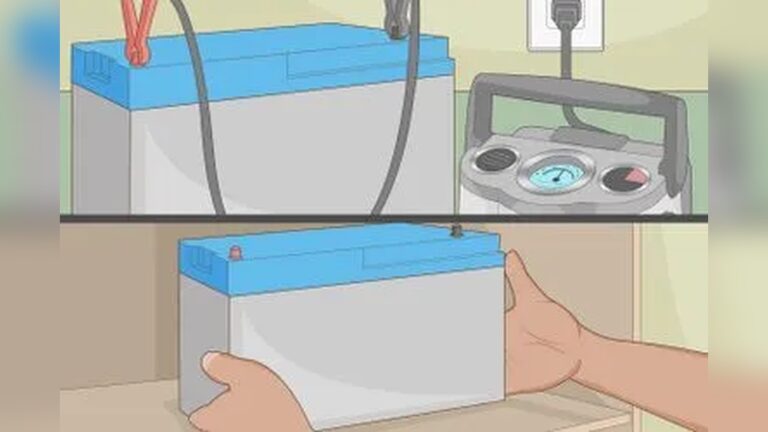
In emergencies, having some power is crucial. A car alternator can charge batteries quickly. Those batteries then provide electricity for lights or small devices. This setup works well during power outages or storms. It is a simple way to keep essential electronics running. Many emergency kits include a battery and alternator setup.
People can connect the alternator to a deep-cycle battery. This battery stores energy and powers devices without the car running all the time. It is a handy backup plan when the main power fails. The alternator acts as a charger to keep the battery ready.
Off-grid And Diy Power Systems
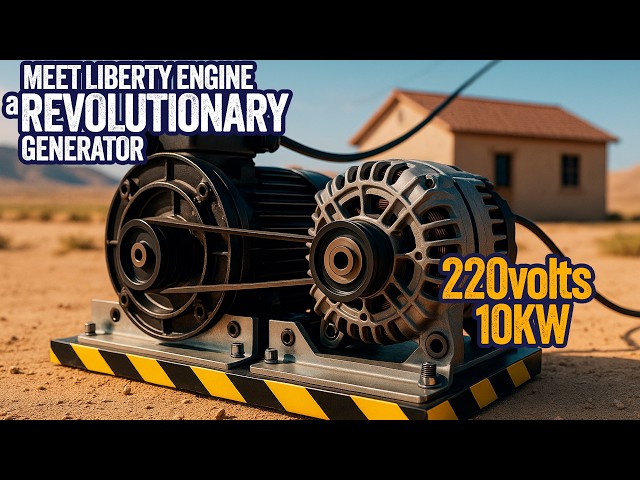
Off-grid living means no connection to the electric grid. Some DIY enthusiasts use car alternators in their power systems. They pair alternators with engines or generators to create electricity. This method can charge batteries for lights and small appliances. It is a low-cost option for remote cabins or workshops.
Alternators are easy to find and repair. This makes them a good choice for people building their own power systems. They provide steady voltage and can handle continuous use. While not powerful enough for full home use, they serve well for basic needs.

Credit: www.youtube.com
Safety And Reliability
Safety and reliability are crucial when using a car alternator to power a house. These devices are not designed for home use. Understanding the risks and upkeep needs helps avoid accidents and failures.
Risks Of Using Car Alternators Indoors
Car alternators produce electricity but need proper setup. Using them indoors can cause electrical shocks or fires. They often lack safety features found in home generators. Poor ventilation may lead to overheating. Noise and fumes can harm health. Incorrect wiring risks damaging appliances and wiring. Always consider these dangers before using one inside.
Maintenance And Longevity
Car alternators require regular checks to work well. Dirt and dust can reduce performance. Bearings and belts need inspection and replacement. Lubrication keeps parts moving smoothly. Ignoring maintenance shortens the alternator’s life. Proper care ensures steady power and safer operation. Plan routine maintenance to avoid sudden breakdowns.
Alternative Power Options
Finding the right power source for your home can be tricky. Many people wonder if a car alternator can power a house. It usually cannot. Still, there are other options to explore. These alternatives can provide steady, safe power for daily needs.
Generators Vs Alternators
Generators and alternators are not the same. A generator creates electricity by burning fuel like gas or diesel. Alternators convert mechanical energy into electrical energy, mostly for vehicles. Generators can power a whole house for hours. Alternators alone lack the capacity for home use. They need an engine to run and may not deliver steady power. Generators are built to handle larger loads. They come in portable and standby models. Portable generators are good for short power outages. Standby generators turn on automatically during blackouts. Alternators fit best in cars, not homes.
Solar And Renewable Energy Choices
Solar panels offer a clean and quiet way to power a home. They capture sunlight and turn it into electricity. Solar systems can work with batteries to store energy. This stored energy powers your house at night or during cloudy days. Wind turbines are another renewable option. They use wind to generate electricity. Both solar and wind power reduce reliance on fuel. These options have low running costs after setup. They are good for long-term energy needs. Renewable sources help the environment and save money over time.
Frequently Asked Questions
Can A Car Alternator Power A Whole House?
No, a car alternator alone cannot power an entire house. It produces limited electricity suitable for a vehicle’s needs, not household appliances. To power a house, you need a higher-capacity generator or solar system with proper inverters and batteries.
How Much Power Does A Car Alternator Generate?
A typical car alternator generates between 50 and 150 amps at 12 volts. This output equals roughly 600 to 1800 watts, insufficient for most home electrical loads, which often require thousands of watts for appliances and lighting.
Can Alternators Be Used For Home Backup Power?
Alternators are not practical for home backup power without significant modifications. They need a mechanical engine and voltage regulation. Home backup systems usually rely on generators or battery-based solar power for safe, reliable electricity.
What Are Alternatives To Using A Car Alternator At Home?
Better alternatives include portable generators, solar power systems, or home battery banks. These systems provide stable, sufficient power tailored for household use. They also ensure safety and compliance with electrical codes, unlike improvised car alternator setups.
Conclusion
A car alternator can produce electricity, but it cannot power a whole house. It is designed to charge a car battery and run small devices. Powering a house needs more energy and a different setup. Using an alternator for home power is not practical or safe.
For home electricity, consider solar panels or a generator. These options provide steady and reliable power. Think about your energy needs carefully before choosing a power source. Safety and efficiency should always come first.