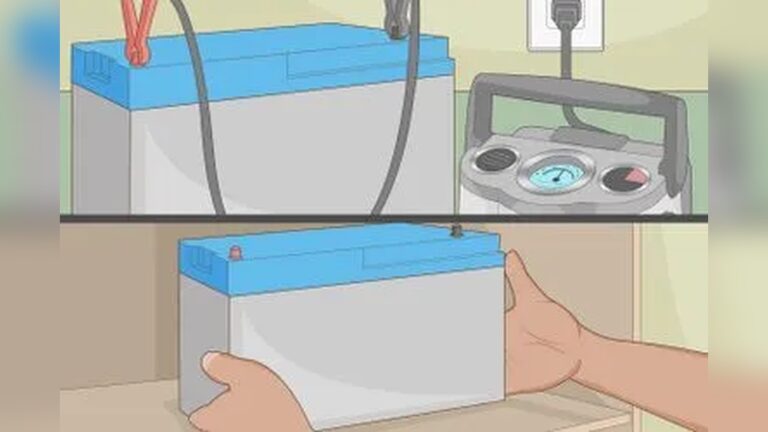

Have you ever had your car battery tested, only to be told it’s perfectly fine—yet your car still won’t start? It’s frustrating and confusing.
You might wonder, “Can a car battery test good and still be bad? ” The answer isn’t always simple, but understanding this can save you time, money, and stress. You’ll discover why a battery can pass a test but still cause problems, and what you can do to avoid getting stuck with a faulty battery when you least expect it.
Keep reading—you don’t want to miss these crucial insights that every car owner should know.
Car Battery Testing Basics
Car batteries power your vehicle’s electrical system. Testing them helps find weak or dead batteries. A good test shows if the battery holds charge well. It also checks if it can start the car reliably. Understanding basic tests helps you know when to replace a battery.
Not all tests tell the full story. Some batteries test good but fail soon after. Knowing how tests work can prevent surprises on the road.
Common Testing Methods
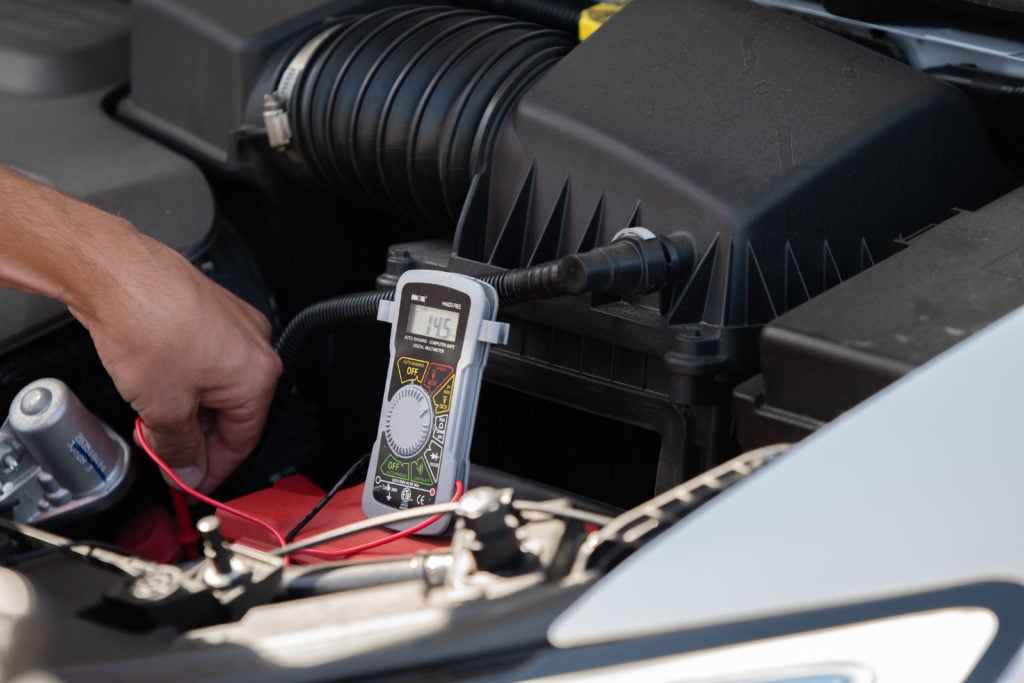
Voltage testing measures the battery’s electrical charge. A fully charged battery shows about 12.6 volts. Lower voltage means the battery may be weak or discharged.
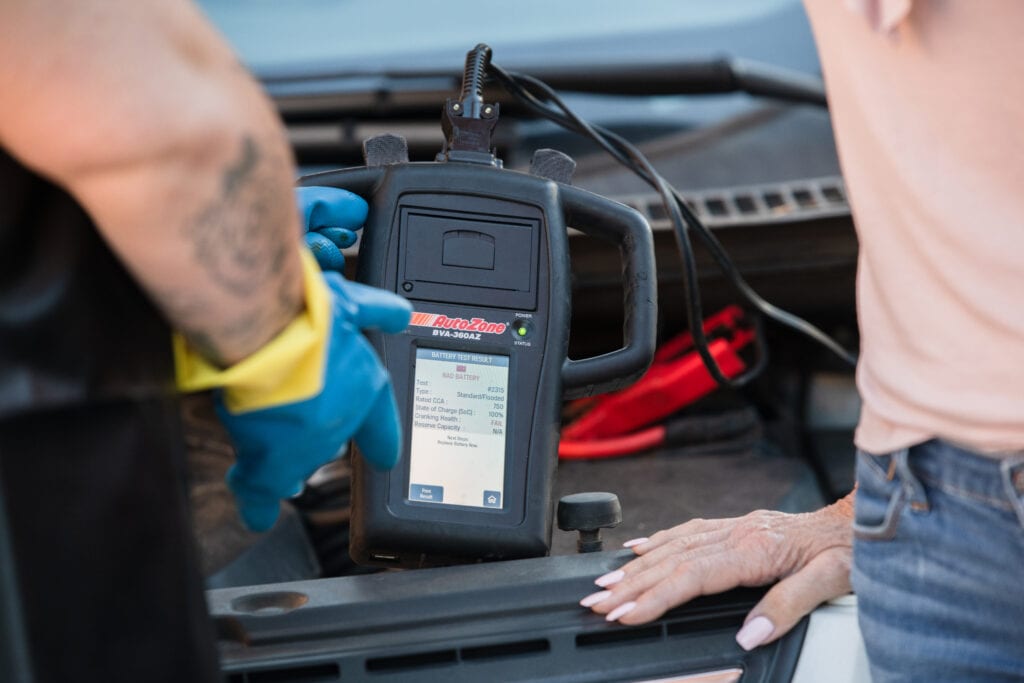
Load testing checks battery strength under real use. It applies a heavy electric load for a short time. This test shows if the battery can start the engine.
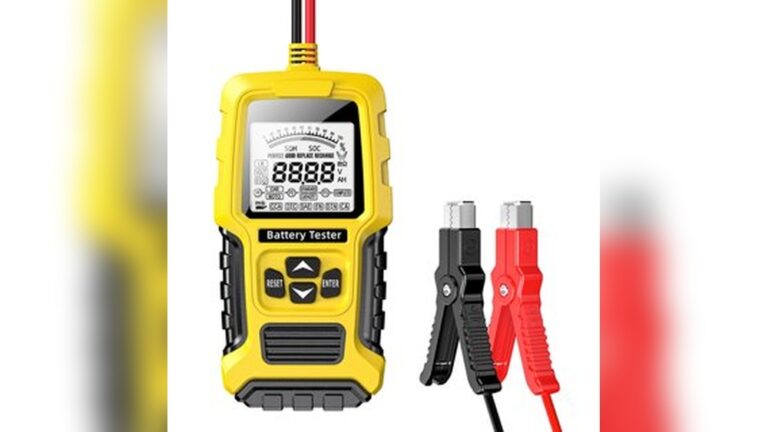
Conductance testing uses electronics to measure the battery’s health. It tests the battery’s ability to deliver current. This method is quick and safe for modern batteries.
What Test Results Mean
A voltage above 12.6 volts usually means a good battery. Below 12.4 volts signals low charge or damage. Load tests that fail show the battery cannot handle starting loads.
Good conductance results mean the battery can still perform well. Poor conductance suggests internal damage or age issues. Batteries can test good but fail under stress later.
Test results guide battery replacement decisions. Always consider multiple tests for accurate battery health assessment.
Limitations Of Battery Tests
Car battery tests help check battery health quickly. They give a good idea if a battery works well. Yet, these tests have limits. Sometimes, a battery may test good but still cause problems. Understanding these limits can save time and money. It helps to know why a test might not tell the full story.
False Positives In Testing
False positives happen when a test shows a battery is fine. The battery may still fail soon after. Tests often measure voltage and cold cranking amps. These values can look normal even if the battery is weak inside. A battery with a bad cell can pass a quick test. The tester may miss hidden damage or slow leaks. This makes false positives common in battery testing.
Factors Affecting Accuracy
Several factors can change test results. Temperature affects battery performance and test readings. Cold weather can lower voltage, causing false bad results. Warm weather may hide battery problems. Age and battery type also matter. Some testers work better on certain batteries. Loose or corroded connections can give wrong readings. Testing under poor conditions leads to inaccurate results. Proper testing needs good tools and environment.
Signs Of A Failing Battery Despite Good Test
A car battery can test good but still cause problems. This happens when the battery shows normal voltage but cannot hold a charge well. Drivers might notice signs that the battery is failing, even if the test results seem fine. Recognizing these signs helps avoid being stranded with a dead battery.
Slow Engine Crank
The engine turns over slowly when starting. This means the battery does not send enough power quickly. It may take longer to start the car, especially in cold weather. This slow crank is a key sign that the battery is weak.
Electrical Issues
Lights may dim or flicker while the car runs. Electronics like the radio or dashboard may act strange. These issues happen because the battery cannot supply steady power. Electrical problems often point to battery trouble, even if the test is normal.
Intermittent Starting Problems
Sometimes the car starts fine, other times it does not. This inconsistency can confuse drivers and mechanics. The battery might work okay at first but fail after short use. Intermittent starting issues often show a battery losing its strength.
Credit: www.autozone.com
Causes Of Hidden Battery Problems
Car batteries can seem fine in tests but still have hidden problems. These issues stop the battery from working well. Knowing what causes these hidden problems helps you avoid sudden car troubles.
Internal Battery Damage
Inside the battery, small parts can break or wear out. This damage stops the battery from holding a full charge. Tests may not catch this problem early. Over time, the battery loses power and fails.
Corroded Or Loose Connections
Corrosion or loose cables block power from flowing correctly. The battery looks good, but the car gets weak power. Cleaning and tightening connections fix this problem fast. Ignoring this leads to starting troubles and electrical faults.
Parasitic Drain
Some electrical parts keep using power even when the car is off. This constant drain wears the battery down slowly. The battery tests well because it still holds charge. Yet, it dies quickly when the car runs.
When To Perform Additional Tests
Sometimes a car battery shows good results but still causes trouble. Basic tests might not catch hidden problems. Extra tests help find these issues early. This saves time and avoids unexpected breakdowns. Knowing when to perform these tests is important for car care.
Load Testing
Load testing checks how the battery works under pressure. It simulates the power needed to start the engine. A battery might show good voltage but fail under load. This test reveals weak batteries that need replacement. Mechanics use load testers to get accurate results quickly.
Voltage Drop Testing
Voltage drop testing finds hidden electrical issues. It measures the voltage loss in the car’s wiring and connections. A good battery can still have poor wiring causing power loss. This test helps spot bad cables or corroded terminals. Fixing these issues improves battery performance and car starting.

Credit: www.reddit.com
Battery Maintenance Tips
Car batteries can show good test results yet still fail unexpectedly. Proper battery care extends battery life and improves reliability. Simple maintenance helps avoid sudden battery problems. Follow easy steps to keep your battery in good shape.
Regular Inspections
Check your battery every few weeks. Look for cracks, leaks, or swelling. Damaged batteries need replacement to prevent failure. Also, test the battery voltage with a multimeter. Low voltage may mean the battery is weak.
Keeping Terminals Clean
Dirty or corroded terminals block electrical flow. Clean terminals using a brush and baking soda solution. Remove any corrosion gently to avoid damage. Tighten the terminal clamps after cleaning to secure connection.
Proper Charging Practices
Use the correct charger for your battery type. Avoid overcharging or undercharging. Both can reduce battery life. Charge the battery fully before use. If you drive short distances often, consider a trickle charger.
When To Replace Your Battery
Knowing when to replace your car battery is important for trouble-free driving. A battery can test good but still fail soon. Recognizing signs of wear helps avoid unexpected breakdowns. Regular checks and understanding battery life improve car reliability.
Age And Performance Considerations
Most car batteries last about three to five years. Older batteries lose power even if tests show good results. Cold weather can reduce battery performance quickly. Slow engine starts and dim lights are warning signs. Pay attention to how your car feels when starting.
Preventive Replacement Benefits
Replacing a battery before it fails saves time and stress. It prevents getting stranded in bad weather or remote areas. New batteries ensure consistent engine starts and electrical system health. Regular replacement protects your car’s electronics. Investing in a fresh battery is a smart choice for peace of mind.
Credit: www.autozone.com
Frequently Asked Questions
Can A Car Battery Test Good But Still Be Faulty?
Yes, a battery can show good voltage but still fail under load. Internal damage or weak cells cause this issue.
Why Does A Good Battery Fail To Start My Car?
A battery might test fine but lack enough cranking power. Corroded terminals or poor connections also cause start failures.
How Can I Accurately Test My Car Battery Condition?
Use a load tester or conduct a cold cranking amps test. These methods reveal hidden battery weaknesses better than simple voltage tests.
What Symptoms Indicate A Battery Is Bad Despite Good Test Results?
Slow engine crank, dim lights, or frequent jump starts suggest hidden battery problems even if tests show good voltage.
Conclusion
A car battery can test good but still have hidden problems. Tests may miss issues like weak cells or poor connections. Regular battery checks help avoid unexpected breakdowns. Pay attention to your car’s starting and electrical signs. Don’t rely only on quick tests for battery health.
Taking simple steps keeps your car running smoothly. Stay aware and act early to prevent trouble on the road.