
Have you ever wondered if your car can start without an alternator? It’s a question that might cross your mind if your vehicle is acting up or if you’re curious about how your car’s electrical system works.
Understanding this can save you from unexpected breakdowns and costly repairs. You’ll discover the truth about starting your car without an alternator and what it means for your vehicle’s performance. Keep reading—you’ll want to know exactly what’s happening under the hood before your next drive.
Credit: www.chapelhilltire.com
Role Of The Alternator
The alternator plays a key role in a car’s electrical system. It keeps the battery charged and powers electrical parts while driving. Without the alternator, the battery would drain quickly. This would cause the car to stop working soon after starting. The alternator helps maintain the car’s energy flow. It is important for smooth and continuous operation of the vehicle.
How An Alternator Works
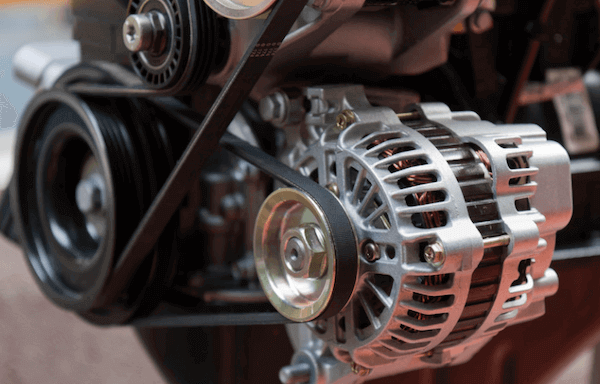
The alternator converts mechanical energy into electrical energy. It uses the engine’s movement to create electricity. Inside, a spinning rotor moves within a set of magnets. This action produces an electric current. The current charges the battery and powers the car’s systems. The alternator runs only when the engine is on. This ensures the battery stays full and the car keeps running.
Alternator Vs Battery
The battery starts the car by providing an initial burst of power. It powers the starter motor to turn the engine over. The alternator takes over once the engine runs. It keeps charging the battery and powering the electrical parts. Without the alternator, the battery drains quickly. A fully charged battery alone cannot run the car for long. Both parts work together to keep the car alive.
Starting A Car Without An Alternator
Starting a car without an alternator is possible but not ideal. The alternator charges the battery and powers the car’s electrical system. Without it, the car relies solely on the battery. This can work for a short time but has limits.
Using The Battery Alone
The battery provides the initial power to start the engine. It sends electricity to the starter motor and ignition system. Without the alternator, the battery does not recharge. The car may start and run briefly on battery power alone. This works only if the battery is fully charged and in good condition.
Limitations Of Battery-only Start
The battery drains quickly without the alternator. Electrical components like lights and radio consume power. Once the battery is low, the car will not start or run. Driving without an alternator can damage the battery and leave you stranded. A dead battery means no power to start the engine.
Signs Of A Failing Alternator
The alternator plays a key role in powering a car’s electrical system. Signs of a failing alternator often show up before total failure. Noticing these signs can save you from being stranded. Pay close attention to changes in your car’s electrical behavior and warning lights.
Electrical Issues
A bad alternator causes many electrical problems. The car’s battery may drain quickly. Power windows and seats can work slowly or stop. The radio or dashboard lights might flicker or cut out. These issues happen because the alternator cannot supply enough power.
Dimming Lights And Warning Signals
Headlights may dim or become unusually bright. Inside dashboard lights might also flicker. A battery warning light often appears on the dashboard. This light indicates the alternator is not charging properly. Ignoring these signals can lead to a dead battery and car failure.

Credit: ksbautostyling.co.uk
Temporary Solutions
Temporary solutions can help start a car without a working alternator. These methods provide short-term power to the battery. They keep the car running just long enough to reach a repair shop. Below are two common ways to jump-start your vehicle safely.
Jump Starting Techniques
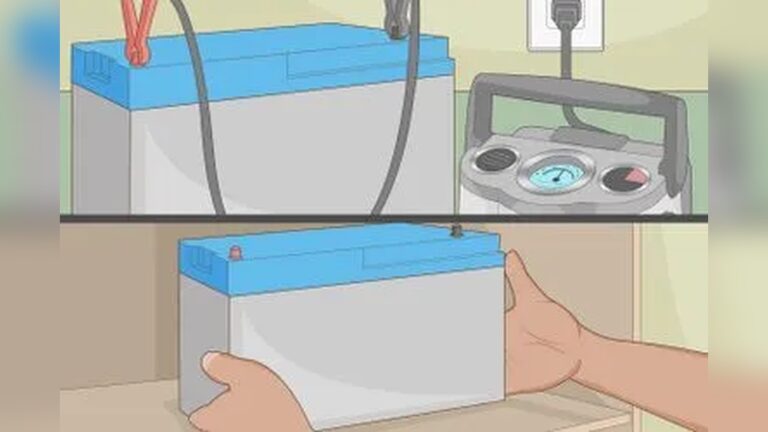
Jump starting uses another vehicle’s battery to power your car. Connect jumper cables between the two batteries carefully. Positive to positive, negative to negative. Start the donor car first, then your car. Let your engine run to charge the battery. This method can give your car the boost it needs.
Using A Portable Battery Pack
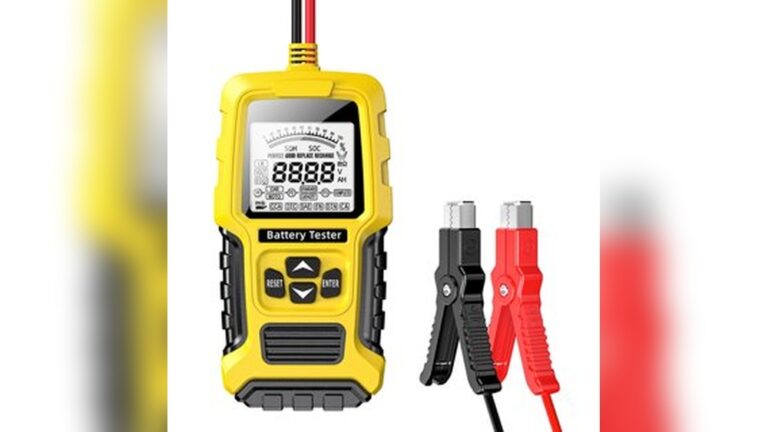
A portable battery pack is a handy tool for emergencies. It stores power and connects directly to your car’s battery. Turn on the pack and try to start your vehicle. This method does not require another car. Portable packs are compact and easy to carry in your trunk.
Risks Of Driving Without An Alternator
Driving without an alternator can cause serious problems for your car. The alternator charges the battery and powers the electrical parts. Without it, your car’s battery will lose power fast. This can lead to unexpected issues on the road.
Battery Drain
The battery supplies all the electricity when the alternator fails. It drains quickly because it cannot recharge. Once the battery dies, the car won’t start or run. You may get stranded with a dead battery far from help.
Potential Engine Stalling
The engine needs electricity to keep running. Without a working alternator, the battery’s power fades. The engine may stall suddenly while driving. This is dangerous and can cause accidents or damage to your car.

Credit: ksbautostyling.co.uk
Repair And Replacement Options
When a car’s alternator stops working, repair or replacement is necessary. The alternator keeps the battery charged and powers electrical parts. Without it, the car can run only for a short time on battery power. Choosing between repairing or replacing the alternator depends on the damage and cost. Understanding your options can save money and prevent future problems.
Alternator Replacement Costs
Replacing an alternator usually costs between $300 and $600. The price includes parts and labor. New alternators cost more than remanufactured ones. Labor costs depend on the car model and mechanic rates. Some cars have hard-to-reach alternators, increasing labor time. Getting several quotes helps find the best price. Waiting too long can damage the battery or other parts, raising costs.
Diy Vs Professional Repair
Fixing an alternator yourself saves money on labor. Basic tools and some mechanical knowledge are needed. Many online guides and videos can help. Mistakes can cause more damage or injury. Professional repair ensures a proper fix and warranty. Shops have the right tools and experience. Consider your skill level and tool availability before deciding. Safety should always come first.
Frequently Asked Questions
Can A Car Start With A Dead Alternator?
Yes, a car can start with a dead alternator if the battery is fully charged. However, the battery will quickly drain without alternator power.
How Long Can A Car Run Without An Alternator?
A car can run only a short time without an alternator. Usually, 20 to 30 minutes, depending on battery health and electrical load.
What Happens If The Alternator Fails While Driving?
If the alternator fails while driving, the car will rely solely on the battery. Eventually, the battery will die, causing the engine to stall.
Can Jump-starting Fix Alternator Problems?
Jump-starting helps start the car temporarily but does not fix alternator issues. The alternator must be repaired or replaced to charge the battery properly.
Conclusion
A car can start without an alternator, but only briefly. The battery provides power to start the engine. Once the battery drains, the car will stop running. Driving without a working alternator can cause serious problems. It is best to fix or replace a faulty alternator quickly.
This keeps the car reliable and avoids being stranded. Remember, the alternator plays a key role in keeping the car alive. Don’t ignore signs of alternator trouble. Acting early saves time and money in the long run.