
Have you ever felt your car hesitate or struggle when you press the gas pedal? It’s frustrating, especially when you need to accelerate quickly and smoothly.
One common but often overlooked cause of this problem is bad spark plugs. If your car isn’t accelerating like it used to, your spark plugs might be the culprit. You’ll discover how faulty spark plugs can affect your car’s performance and what signs to watch for.
Keep reading to find out how fixing this small part can make a big difference in your drive.
Credit: urbsgarage.com
Role Of Spark Plugs In Engine Performance
Spark plugs play a key role in how your engine runs. They create the spark needed to ignite the fuel-air mix inside the engine cylinders. This ignition powers the engine and moves your car forward.
Good spark plugs help the engine run smoothly and efficiently. They ensure proper combustion, which means better fuel use and more power. Bad or worn spark plugs can cause weak or no spark, leading to poor engine performance.
How Spark Plugs Ignite Fuel
Spark plugs create a small electric spark. This spark lights the fuel and air inside the engine cylinder. The burning fuel creates pressure that pushes the piston down. This movement turns the engine’s crankshaft and powers the car.
Impact Of Spark Plugs On Engine Power
Strong spark plugs produce a consistent spark. This leads to full combustion of the fuel. Full combustion means more power and better acceleration. Weak sparks cause incomplete burning of fuel, reducing power and speed.
Signs Of Faulty Spark Plugs
Bad spark plugs can cause rough idling and poor acceleration. The engine may hesitate or jerk during driving. You might also notice lower fuel efficiency and difficulty starting the car.
Symptoms Of Faulty Spark Plugs
Faulty spark plugs can cause many car problems. They affect the engine’s performance and might stop your car from accelerating well. Knowing the symptoms helps you spot spark plug issues early. This saves you from bigger repairs and keeps your car running smoothly.
Engine Misfires
Engine misfires happen when spark plugs fail to ignite the fuel properly. You might feel the engine jerk or hesitate. This makes driving jerky and unsafe. Misfires also cause a loss of power, making acceleration slow and uneven.
Reduced Fuel Efficiency
Bad spark plugs burn fuel less efficiently. This means your car uses more gas to go the same distance. You may notice you fill up the tank more often. Poor fuel efficiency also increases pollution and wastes money.
Rough Idling
Rough idling means the engine shakes or runs unevenly when stopped. Faulty spark plugs cause this by misfiring at low speeds. You might hear unusual noises or feel vibrations inside the car. Rough idling signals your spark plugs need a check.
How Bad Spark Plugs Affect Acceleration
Bad spark plugs have a strong impact on your car’s acceleration. They affect how the engine burns fuel. This can lead to poor performance and slow speed. Understanding the effects helps you spot problems early.
Incomplete Combustion
Spark plugs ignite the fuel-air mix in the engine. When plugs are bad, the spark is weak or irregular. This causes incomplete combustion. Fuel burns partly or not at all. The engine loses power and runs rough.
Loss Of Power
Bad spark plugs reduce the engine’s ability to produce power. The car struggles to reach higher speeds. Acceleration feels weak and slow. This makes driving harder, especially on hills or highways.
Delayed Throttle Response
The throttle tells the engine how much power to send. Bad spark plugs cause a delay in this response. The car hesitates or stumbles when you press the gas. This delay makes acceleration feel sluggish and uneven.
Credit: www.youtube.com
Diagnosing Spark Plug Issues
Diagnosing spark plug issues is key to fixing car acceleration problems. Spark plugs play a big role in engine performance. Bad spark plugs can cause rough idling, poor fuel efficiency, and slow acceleration.
Checking spark plugs early can save you time and money. There are simple ways to spot problems. You can start with a visual check, then test their performance, and use diagnostic tools for deeper analysis.
Visual Inspection
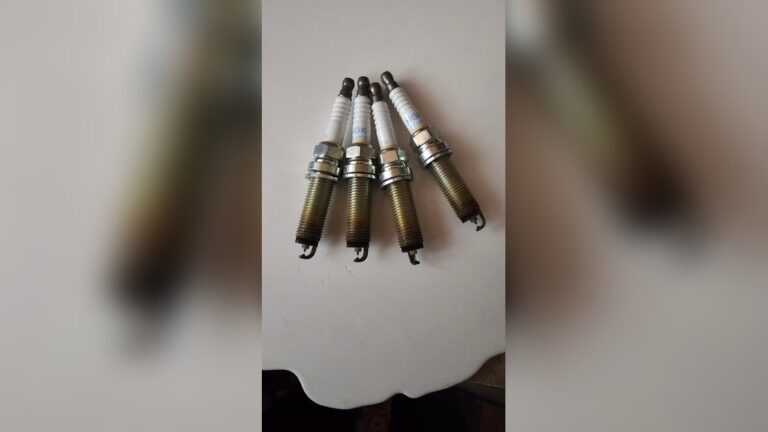
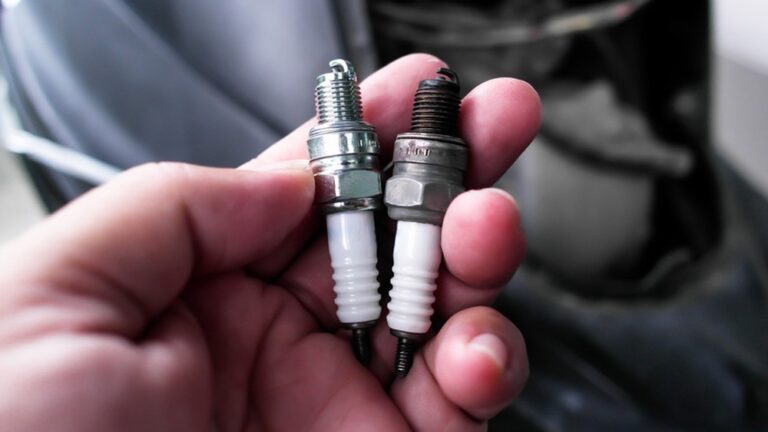
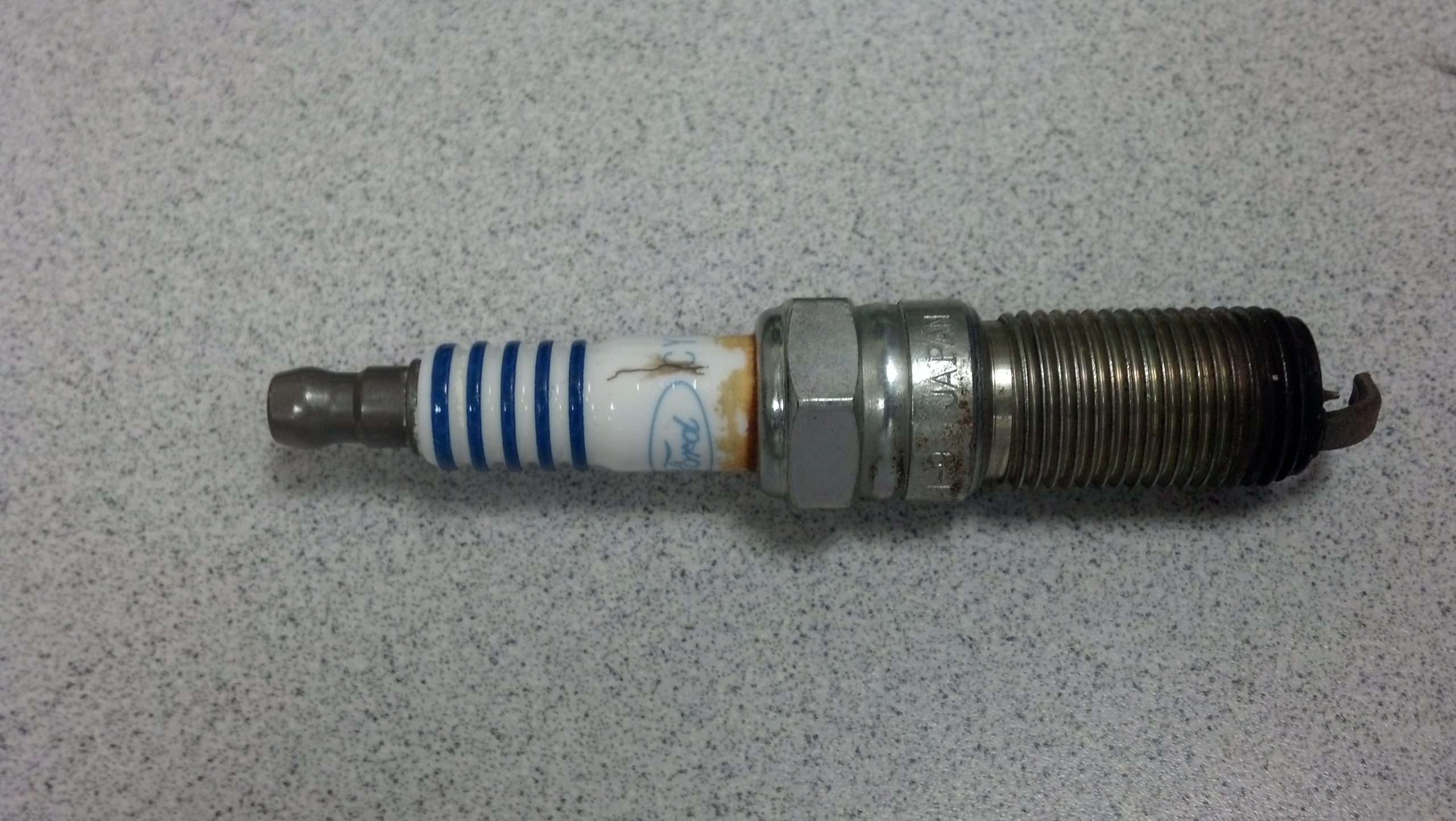
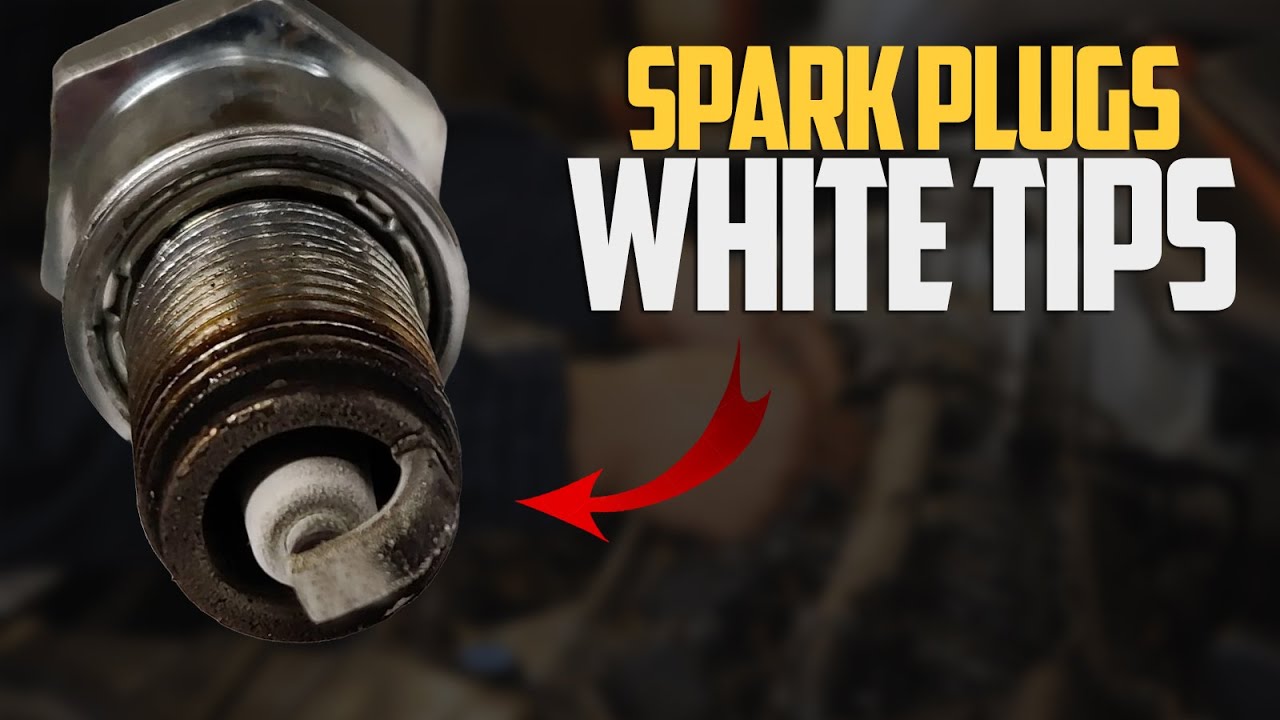
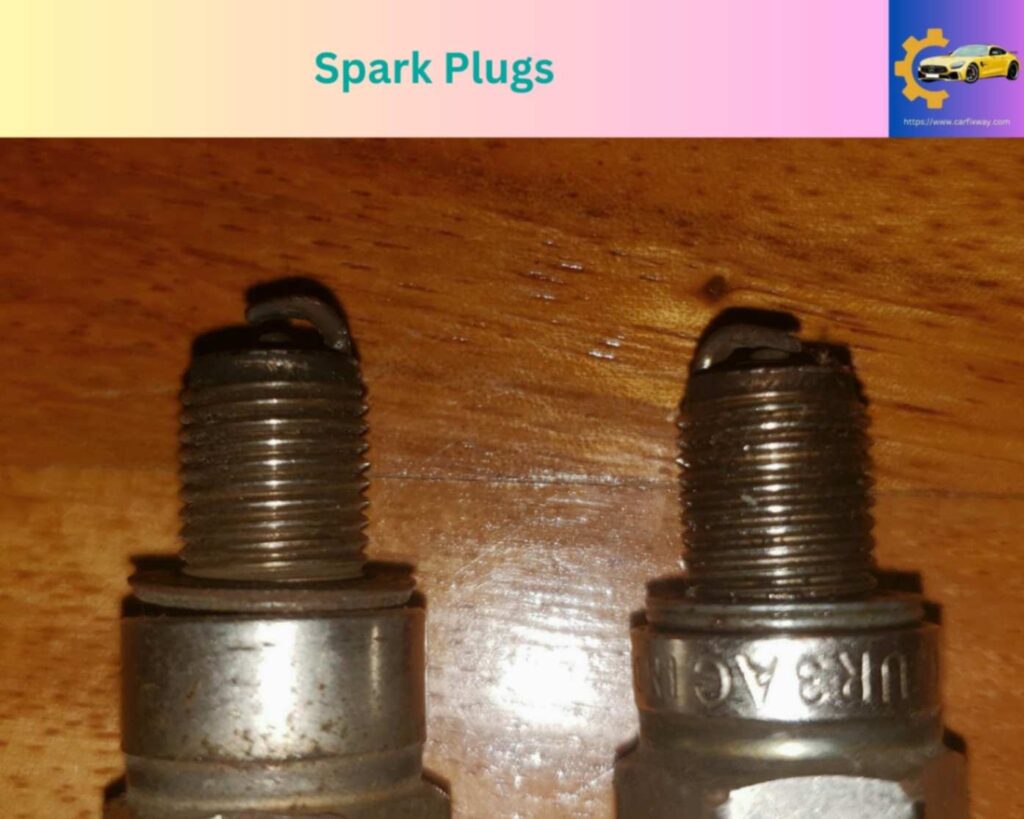
Look at each spark plug carefully. Check for cracks, heavy carbon buildup, or oil deposits. These signs mean the plug is not working well. Also, check the gap between the electrodes. If it is too wide or too narrow, it affects engine firing.
Performance Testing
Testing spark plugs helps measure their strength and efficiency. You can use a spark plug tester to see if it produces a strong spark. Weak sparks cause misfires and poor acceleration. Replace plugs that fail this test to restore engine power.
Using Diagnostic Tools
Modern cars have onboard diagnostics that detect spark plug issues. An OBD-II scanner reads error codes from the engine control unit. Codes related to misfires or ignition problems often point to faulty spark plugs. This tool helps identify the exact problem quickly.
Replacing Spark Plugs
Replacing spark plugs is a key step to keep your car running smoothly. Bad spark plugs can cause poor acceleration and engine problems. Changing them on time helps your car perform better and saves fuel.
Choosing The Right Spark Plugs
Select spark plugs that match your car’s engine type. Check the owner’s manual for the right size and heat range. Using the wrong spark plugs can cause misfires and damage. Copper, platinum, and iridium are common spark plug materials. Iridium plugs last longer and offer better performance.
Replacement Frequency
Replace spark plugs based on your car’s mileage and usage. Many cars need new plugs every 30,000 to 100,000 miles. Old or worn plugs cause weak sparks and poor acceleration. Regular replacement prevents engine roughness and saves repair costs.
Diy Vs Professional Service
Changing spark plugs is possible for DIY lovers. It requires basic tools and some knowledge. Be careful to avoid damaging the spark plug wires or engine parts. Professional service ensures proper installation and checks for other engine issues. Mechanics also clean the spark plug holes and apply anti-seize lubricant.
Other Causes Of Poor Acceleration
Poor acceleration can frustrate any driver. Bad spark plugs are a common cause, but other issues can also reduce your car’s power. Understanding these problems helps you find the right fix quickly.
Fuel System Problems
The fuel system delivers fuel to the engine. Clogged fuel filters or dirty fuel injectors can block fuel flow. This limits engine power and causes slow acceleration. A failing fuel pump also reduces fuel pressure. Low fuel pressure means the engine does not get enough fuel to perform well.
Air Intake Issues
The engine needs clean air for combustion. A dirty air filter can restrict airflow. This makes the engine work harder and lose power. Problems with the mass airflow sensor can send wrong data to the engine control unit. This causes poor fuel and air mix, leading to weak acceleration.
Transmission Concerns
The transmission controls power delivery to the wheels. Worn or slipping transmission parts reduce acceleration. Low transmission fluid can cause slipping and overheating. Automatic transmissions with faulty sensors may shift late or erratically. These issues lower the car’s ability to speed up smoothly.
Credit: www.carfixway.com
Frequently Asked Questions
Can Bad Spark Plugs Cause Poor Car Acceleration?
Yes, bad spark plugs can lead to poor acceleration. They cause misfires, reducing engine power and efficiency.
How Do Faulty Spark Plugs Affect Engine Performance?
Faulty spark plugs disrupt combustion, causing rough idling and hesitation. This leads to decreased engine performance and acceleration.
What Are The Signs Of Bad Spark Plugs In A Car?
Signs include rough idling, engine misfires, poor fuel economy, and sluggish acceleration. These indicate spark plug issues.
Can Replacing Spark Plugs Improve Car Acceleration?
Replacing worn spark plugs restores proper combustion. This improves engine power, fuel efficiency, and acceleration responsiveness.
Conclusion
Bad spark plugs can cause your car to lose power fast. They may make acceleration slow or uneven. Check them regularly to keep your engine running well. Clean or replace worn spark plugs to fix poor performance. Small parts, big impact.
Your car will run smoother and faster with good spark plugs. Don’t ignore these signs—they help your car’s health a lot. A quick spark plug check saves time and money later. Keep your ride moving strong.