
Have you ever wondered if your car battery can actually explode? It’s a question that might catch you off guard, but understanding the risks is crucial for your safety.
Your car battery powers everything under the hood, but did you know it can sometimes be dangerous? You’ll discover the surprising reasons why car batteries can explode, how to spot warning signs, and what you can do to protect yourself.
Keep reading—your safety depends on knowing the facts.
How Car Batteries Work
A car battery is a key part of your vehicle’s electrical system. It gives power to start the engine and run electrical parts. The battery stores energy and sends it out when the car needs it.
Understanding how a car battery works helps explain why it can fail or even explode. Let’s break down the main parts and processes inside a battery.
Basic Battery Components
A car battery has several important parts. The case holds everything together and protects the inside. Inside the case are plates made of lead and lead oxide. These plates are placed in a liquid called electrolyte. Terminals on top connect the battery to the car.
Chemical Reactions Inside
Energy in a car battery comes from chemical reactions. When the battery works, lead plates react with the acid in the electrolyte. This reaction creates electric energy. When the battery charges, the reactions reverse. This process stores energy for the next use.
Common Battery Types
Most cars use lead-acid batteries. They are reliable and low cost. Some newer cars have AGM batteries. These use a special design for better performance. Electric cars often use lithium-ion batteries. They store more energy and are lighter.

Credit: www.reddit.com
Causes Of Battery Explosions
Car batteries store power for your vehicle’s start and run. Under certain conditions, they can explode. Understanding the causes helps prevent accidents and damage. Battery explosions happen due to chemical reactions inside the battery. These reactions create gas and pressure. If pressure builds too much, the battery can burst.
Overcharging Issues
Overcharging a car battery leads to excess gas buildup. Chargers that deliver too much voltage cause this problem. The battery heats up and creates hydrogen gas. Pressure increases inside the battery case. Without proper venting, the battery may explode.
Short Circuits
A short circuit happens when battery terminals connect improperly. This can cause sparks and rapid heating. Internal components can melt or break. The heat can ignite gases inside the battery. This ignition may cause a violent explosion.
Physical Damage
Damage to the battery case can expose internal parts. Cracks or dents weaken the battery’s structure. Damaged batteries leak acid and gases. Leaks increase the risk of fire or explosion. Always handle batteries carefully to avoid damage.
Extreme Temperatures
Very high or low temperatures affect battery safety. Heat speeds up chemical reactions inside the battery. This creates more gas and pressure. Cold can cause internal damage and cracks. Both extremes increase the chance of explosion.
Signs Of A Failing Battery
Car batteries wear out over time. Knowing the signs of a failing battery helps avoid sudden breakdowns. Early detection can save time and money. Watch for clear signals your battery needs attention.
Swelling Or Leaking
Swelling on the battery case shows internal damage. Leaking fluid is a serious problem. This fluid can harm car parts and cause burns. A swollen or leaking battery may explode. Replace it immediately for safety.
Unusual Smells
A failing battery can emit strange smells. A rotten egg or sulfur odor is common. This smell comes from leaking acid or gas. It signals an internal problem inside the battery. Do not ignore this warning sign.
Corrosion On Terminals
White or blue powder on battery terminals means corrosion. Corrosion blocks the flow of electricity. It causes poor car performance or starting trouble. Clean terminals carefully or get professional help. Corrosion also indicates battery damage.

Credit: www.tycorunenergy.com
Safety Precautions To Avoid Explosions
Car batteries hold power but can be risky if not handled safely. Explosions happen due to sparks, gas buildup, or wrong charging. Taking safety steps helps avoid these dangers. Follow clear rules to keep yourself and your car safe.
Proper Charging Practices
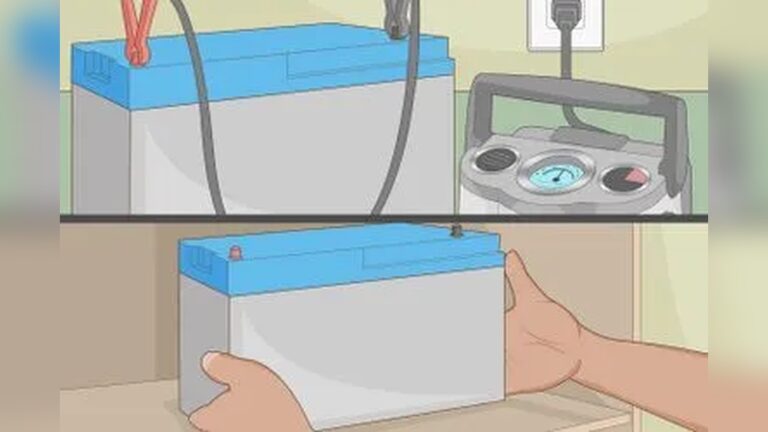
Charge the battery in a well-ventilated area to let gases escape. Use the charger made for your battery type. Avoid overcharging; it causes heat and gas buildup. Always turn off the charger before disconnecting the battery. Keep sparks and flames far from the battery while charging.
Regular Maintenance
Check battery terminals for dirt and corrosion often. Clean terminals with a mix of baking soda and water if needed. Tighten loose connections to avoid sparks. Replace old or damaged batteries quickly. Inspect the battery case for cracks or leaks regularly.
Safe Handling Tips
Wear gloves and eye protection when handling batteries. Lift batteries carefully to avoid dropping them. Do not smoke or use open flames near batteries. Store batteries in a cool, dry place away from metal objects. Dispose of old batteries at proper recycling centers only.
What To Do If A Battery Explodes
A car battery explosion is dangerous and needs quick action. Knowing what to do keeps you safe and reduces harm. The right steps help control the situation and prevent injury.
Immediate Actions
Move away from the battery fast. Avoid breathing fumes or touching leaking acid. Turn off the car engine if it is still running. Do not try to handle the battery yourself. Call emergency services for help right away.
First Aid Measures
If acid touches skin, rinse with plenty of water. Remove contaminated clothing carefully. For acid in the eyes, flush with water for at least 15 minutes. Avoid rubbing the eyes. Seek medical help immediately after washing.
When To Seek Professional Help
Call a doctor if you feel dizzy or have breathing problems. Get medical care for burns or eye injuries. Let professionals handle battery cleanup. Do not try to clean acid spills yourself. Safety comes first in every step.

Credit: www.reddit.com
Myths About Car Battery Explosions
Car batteries often get a bad reputation for being dangerous. Many people believe they can explode anytime. These ideas cause unnecessary fear about car batteries. Understanding the truth helps keep you safe and calm.
Common Misconceptions
One common myth says car batteries explode like fireworks. This is not true. Car batteries can release gases, but they do not burst without cause. People also think a battery explodes from just a small spark. Actually, it needs a strong spark near the battery’s gas buildup. Another false idea is that all batteries are equally risky. Modern batteries have safety features to reduce risks.
Facts Vs. Fiction
Batteries can explode but only in rare cases. This happens if the battery is damaged or charged wrong. Overheating or physical damage causes gas buildup inside the battery. A spark near this gas can cause an explosion. Most car batteries work safely if handled well. Proper charging and avoiding damage keep risks low. Knowing these facts helps prevent accidents and calm fears.
Frequently Asked Questions
Can Car Batteries Really Explode?
Yes, car batteries can explode due to gas buildup, sparks, or short circuits. Proper handling reduces this risk.
What Causes A Car Battery To Explode?
Explosions often result from overcharging, internal faults, or exposure to flames. Hydrogen gas inside the battery ignites.
How Can I Prevent My Car Battery From Exploding?
Regular maintenance, avoiding overcharging, and keeping batteries clean prevent explosions. Always follow safety instructions and use correct chargers.
Is It Dangerous If A Car Battery Explodes?
Yes, it releases harmful acid and gas. Explosions can cause burns, injuries, or fire. Seek medical help immediately.
Conclusion
Car batteries can explode, but it is rare. Proper care keeps you safe and your battery working well. Avoid sparks, heat, and damage near the battery. Regular checks help spot problems early. Use the right charger and follow safety steps.
Knowing the risks helps you act fast if needed. Stay cautious and keep your car battery in good shape. Safety always comes first with car batteries.