
Have you ever wondered if your car battery can actually freeze during cold weather? If you’ve faced those freezing mornings when your car won’t start, this question might have crossed your mind.
Understanding whether car batteries freeze and how it affects your vehicle can save you from unexpected troubles. You’ll discover the truth about car batteries in freezing temperatures and learn simple tips to protect your battery when the cold hits. Keep reading to make sure your car is ready, no matter how low the temperature drops.
How Car Batteries Freeze
Car batteries can freeze in very cold weather. Understanding how this happens helps protect the battery and keep your car running. Several factors affect the freezing of a car battery, mostly related to its chemical makeup and charge level. Let’s explore the details.
Chemical Reactions In Cold
Car batteries use a mix of acid and water inside. This mix creates electricity through a chemical reaction. Cold temperatures slow down this reaction. When it gets very cold, the liquid inside can start to freeze. Frozen battery acid means the battery cannot work properly.
Freezing Point Factors
The battery’s freezing point depends on the acid concentration. More acid lowers the freezing point, making freezing less likely. Less acid means the mix freezes at a higher temperature. A fully charged battery has stronger acid, so it freezes less easily.
Battery Charge And Freezing
Charge level affects freezing risk. A charged battery has more acid and less water. This mix freezes at a lower temperature. A discharged battery has more water, so it freezes quicker. Keeping the battery charged helps prevent freezing in cold weather.
Signs Of A Frozen Battery
Car batteries can freeze in cold weather. This happens when the battery’s charge is low and temperatures drop. Recognizing the signs of a frozen battery helps avoid trouble. Some signs are easy to spot. Others show in how the car works. Knowing these signs saves time and money.
Physical Indicators
Look for cracks or bulges on the battery case. Frozen batteries may swell from ice inside. Check for frost or ice on the battery surface. A white powder or residue can appear near the terminals. These signs mean the battery is damaged or frozen. Avoid touching the battery if it looks like this. It can be dangerous.
Performance Issues
The car may not start or starts very slowly. The engine might crank weakly or not at all. Lights and electronics may dim or fail to work. The battery may lose charge quickly. These problems happen because the battery cannot produce enough power. If the car acts like this in cold weather, the battery might be frozen.
Risks Of A Frozen Battery
Frozen car batteries pose serious risks. Cold temperatures can harm the battery’s performance and lifespan. Understanding these risks helps protect your vehicle and avoid costly repairs.
Damage To Battery Cells
Car batteries contain liquid electrolyte inside. When temperatures drop below freezing, this liquid can freeze. Frozen electrolyte expands and cracks battery cells. Cracked cells reduce the battery’s ability to hold a charge. This damage is often permanent and may require battery replacement.
Repeated freezing and thawing worsen the damage. The battery becomes weaker and less reliable over time. Cold weather makes it harder for the battery to start the engine.
Safety Concerns
A frozen battery can leak dangerous chemicals. Leaking acid harms skin and eyes. It also damages other car parts. Cracked batteries may cause electrical shorts. This can lead to sparks or fires.
Handling a frozen battery requires caution. Always wear protective gear when inspecting the battery. Avoid trying to charge or jump-start a frozen battery. These actions increase safety risks and can cause further damage.

Credit: www.tycorunenergy.com
Preventing Battery Freeze
Preventing car battery freeze is important during cold weather. Frozen batteries can stop your car from starting. Taking simple steps can protect your battery and keep it working well. These tips help avoid cold damage and extend battery life.
Proper Maintenance
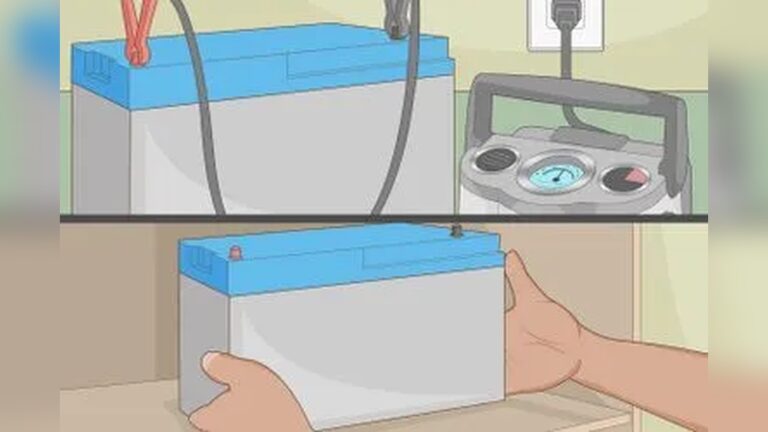
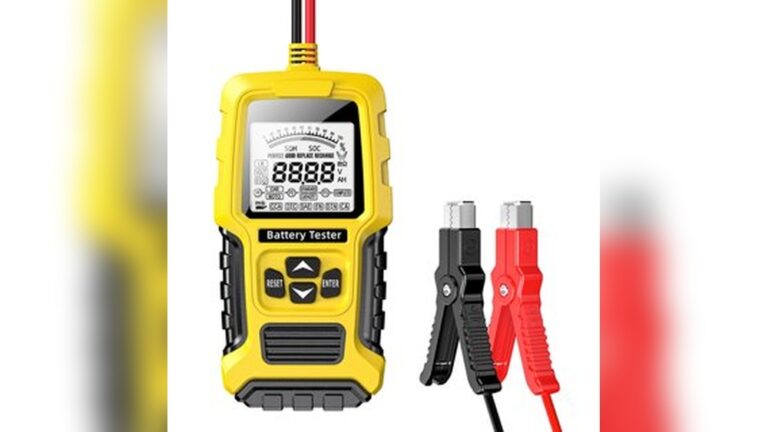
Check your battery regularly for any damage or leaks. Clean the terminals to remove dirt and corrosion. Tighten loose connections to ensure good contact. Test the battery’s charge level often, especially before winter. A healthy battery resists freezing better than a weak one.
Use Of Battery Warmers
Battery warmers keep the battery warm in very cold weather. They wrap around the battery and use low power to heat it. This stops the battery fluid from freezing. Use warmers in places with extreme winter cold. They help your battery stay ready to start your car.
Parking Tips
Park your car in a garage or covered area to shield from cold. Avoid leaving your car outside during freezing nights. Parking in a warmer spot reduces battery freeze risk. If a garage is not available, try to park near a building wall. This adds some warmth and protection.
Dealing With A Frozen Battery
Car batteries can freeze in very cold weather. A frozen battery stops your car from starting. It can also cause damage if not handled well. Knowing how to deal with a frozen battery saves time and money.
Act quickly and carefully. Thawing the battery the right way can bring it back to life. Sometimes, replacing the battery is the safer option. Learn simple steps to handle a frozen battery safely.
Thawing Methods
Move the battery to a warm place. Let it sit at room temperature for several hours. Avoid using open flames or direct heat. Use warm cloths to wrap the battery gently. Check the battery for cracks or leaks before thawing.
After thawing, clean the battery terminals. Use a mixture of baking soda and water to remove corrosion. Dry the battery completely before reconnecting it. Try to start the car once the battery is warm.
When To Replace
Replace the battery if it shows visible damage. Cracks or leaks mean the battery is unsafe. If the battery fails to start the car after thawing, it may be dead. Old batteries are more likely to freeze and fail.
Consult a professional if unsure about the battery’s condition. Regular checks during winter prevent frozen battery problems. Replacing an old battery improves car reliability in cold weather.

Credit: www.carparts.com
Battery Types And Cold Weather
Car batteries react differently to cold weather based on their type. Knowing the battery type helps understand how cold affects it. This knowledge can prevent battery failure during winter.
Cold temperatures slow down chemical reactions inside batteries. This change impacts battery power and performance. Some batteries handle cold better than others.
Lead-acid Batteries
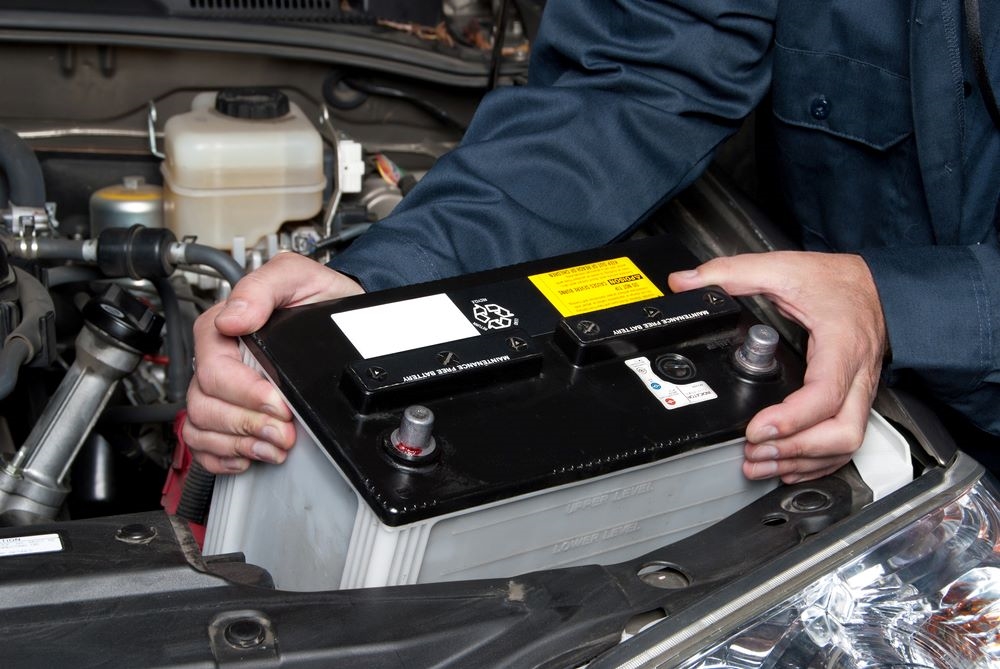
Lead-acid batteries are common in most cars. They use a liquid acid and lead plates inside. In freezing weather, the liquid can freeze if the battery is weak or low on charge.
A fully charged lead-acid battery resists freezing better. Low charge means the acid is more water-like and freezes faster. Freezing damages battery plates and reduces life.
Lead-acid batteries lose power in cold weather. The car may struggle to start. Keeping the battery charged helps prevent freezing and power loss.
Lithium-ion Batteries
Lithium-ion batteries power electric and hybrid cars. They do not contain liquid acid like lead-acid types. This makes them less likely to freeze in cold weather.
Cold can still affect lithium-ion batteries. Their ability to hold and deliver power drops in low temperatures. Charging may take longer and the range can shrink.
Most lithium-ion batteries have built-in heaters. These heaters protect the battery from extreme cold. Proper care ensures good performance during winter.
Credit: www.kiaofduluth.com
Frequently Asked Questions
Can Car Batteries Freeze In Cold Weather?
Yes, car batteries can freeze if their charge is low. Fully charged batteries resist freezing better. Cold temperatures slow chemical reactions inside the battery, increasing freeze risk when charge is weak.
What Causes Car Batteries To Freeze?
Low charge and extremely cold temperatures cause freezing. A discharged battery has more water and fewer chemicals, making it more likely to freeze in cold weather.
How Can I Prevent My Car Battery From Freezing?
Keep your battery fully charged and avoid letting it drain. Park in a garage or insulated area during cold weather. Regular battery maintenance also helps prevent freezing damage.
What Happens If A Car Battery Freezes?
A frozen battery may crack or leak acid, causing permanent damage. It won’t start the car until thawed and properly charged. Severe freezing can render the battery unusable.
Conclusion
Car batteries can freeze in very cold weather. This happens when the battery is weak or low on charge. A fully charged battery is less likely to freeze. Keep your battery clean and check it often. Store your car in a warm place if possible.
Use a battery warmer for extra protection in cold climates. Taking these steps helps your car start reliably. Stay prepared and avoid battery troubles during winter months. Simple care goes a long way to keep your battery healthy.