
Have you ever wondered if the heat can actually kill your car battery? You rely on your battery every day to start your car and keep everything running smoothly.
But when temperatures soar, your battery faces a hidden enemy that could leave you stranded. Understanding how heat affects your car battery isn’t just useful—it could save you time, money, and a lot of frustration. Keep reading, and you’ll learn exactly what happens inside your battery when the heat kicks in, how to protect it, and what signs to watch for before it’s too late.
Your car’s health depends on it.
Heat Effects On Batteries
Car batteries face many challenges, and heat is a major one. High temperatures affect how batteries work and how long they last. Heat can cause chemical changes inside the battery. These changes can reduce battery power and life. Understanding heat effects helps protect your battery better.
Both short and long periods of heat exposure can cause different problems. Knowing these effects can help you take proper care of your car battery.
How Heat Impacts Battery Chemistry
Heat speeds up chemical reactions inside the battery. This can cause the battery acid to evaporate faster. Losing acid lowers battery performance. Heat also increases the rate of corrosion on battery parts. Corrosion can damage the battery plates. Damaged plates reduce the battery’s ability to hold a charge.
High heat can cause the battery to self-discharge more quickly. This means the battery loses power even when the car is off. Inside the battery, the chemicals break down faster at high temperatures. This breakdown can cause permanent damage to the battery cells.
Short-term Vs Long-term Heat Exposure
Short bursts of heat can cause the battery to overheat. Overheating may lead to a temporary drop in battery power. This can make starting the car harder. However, short heat exposure usually does not cause lasting damage.
Long-term heat exposure is more harmful. It slowly wears down the battery’s materials. Constant heat causes more acid evaporation and corrosion. Over time, this weakens the battery and shortens its lifespan. Batteries kept in hot places often fail earlier than those in cooler areas.
Credit: www.chapelhilltire.com
Signs Of Heat Damage
Heat can cause serious damage to a car battery. It weakens the battery and shortens its life. Knowing the signs of heat damage helps you act fast. Early detection can save you from a dead battery on the road. Here are the key signs to watch for.
Swelling And Leakage
Heat makes the battery case swell or bulge. This happens because the inside chemicals expand. A swollen battery is dangerous and needs immediate attention. You may also notice fluid leaking from the battery. Leakage is a clear sign of heat damage. It can cause corrosion on battery terminals and nearby parts. Never ignore swelling or leakage on your battery.
Reduced Battery Performance
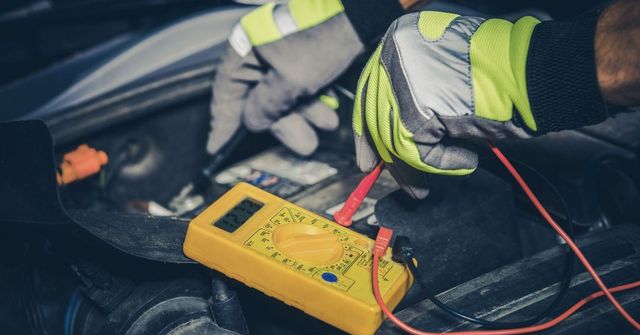
Heat weakens the battery’s ability to hold a charge. You might see slow engine starts or dimmer headlights. The battery may die faster than normal. Car electronics may act up or reset unexpectedly. These issues show the battery struggles under high temperatures. Reduced performance means the battery is losing power and health. Testing the battery can confirm if heat is the cause.
Heat-induced Battery Failure
Heat can cause serious problems for car batteries. When temperatures rise, the battery’s parts can break down faster. This leads to poor performance and shorter battery life. Understanding how heat affects a battery helps in protecting it better.
Common Failure Mechanisms
High heat speeds up chemical reactions inside the battery. This creates gas and pressure, which can damage the battery case. The battery plates may corrode faster, reducing the battery’s ability to hold charge. Heat also causes the battery fluid to evaporate. Without enough fluid, the battery cannot work properly. These failures happen quietly but damage the battery over time.
Temperature Thresholds For Damage
Batteries start to fail at temperatures above 95°F (35°C). At 120°F (49°C), damage happens much faster. Prolonged exposure to heat over 120°F can cause permanent battery failure. Even short periods in high heat can reduce battery life. Keeping the battery cool helps it last longer and perform better.
Preventing Heat Damage
Heat can cause serious damage to a car battery. High temperatures speed up chemical reactions inside the battery. This can lead to faster wear and lower battery life. Preventing heat damage helps keep the battery working longer and saves money on replacements.
Taking simple steps can protect your battery from heat. Proper care and smart habits reduce the risk of heat harm. Here are key tips to prevent heat damage to your car battery.
Proper Parking And Storage Tips
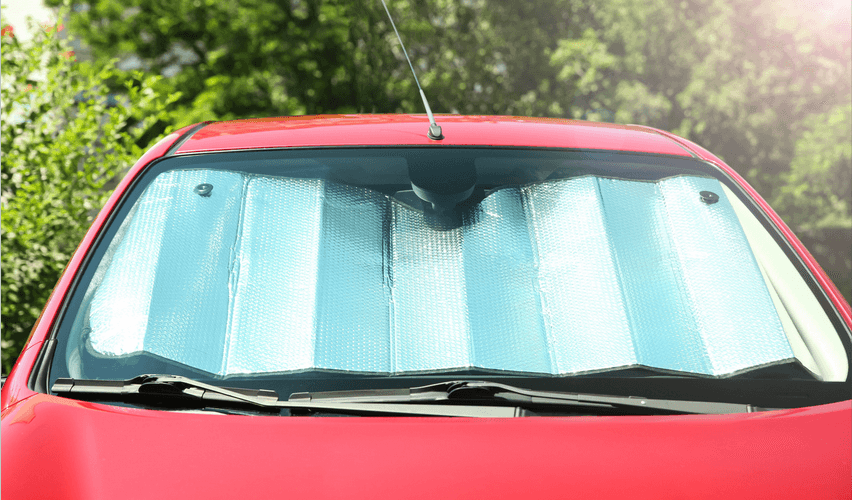
Park your car in shaded areas whenever possible. Shade lowers the temperature around the battery. Avoid parking under direct sunlight for long hours. Use a car cover if shade is not available. This helps block some heat and sun rays.
Try to park in a garage during hot days. Garages stay cooler than open spaces. If a garage is not an option, choose spots with good airflow. Airflow helps carry heat away from the car.
Battery Maintenance In Hot Climates
Check the battery regularly for signs of heat damage. Look for swelling, cracks, or leaks on the battery case. Clean battery terminals to avoid corrosion. Corrosion can worsen battery issues in heat.
Keep the battery fully charged. A low battery gets damaged faster in hot weather. Use a battery maintainer if you park the car for long periods. This keeps the battery healthy and ready to use.
Alternatives To Heat Protection
Heat can damage car batteries. Protecting batteries from heat is important. There are several ways to keep batteries safe. These alternatives help extend battery life and improve performance. Explore options beyond simple heat shields or covers.
Cooling Systems For Batteries
Cooling systems help keep battery temperature low. They use air or liquid to remove heat. Some cars have built-in cooling for batteries. Adding a cooling system can prevent overheating. This keeps the battery working well in hot weather.
Use Of Heat-resistant Battery Types
Heat-resistant batteries tolerate higher temperatures better. They use special materials that handle heat safely. These batteries last longer in hot climates. Switching to heat-resistant types reduces battery failures. Choosing the right battery improves reliability in heat.
Credit: www.chapelhilltire.com
Credit: www.chapelhilltire.com
Frequently Asked Questions
Can Heat Damage A Car Battery Permanently?
Yes, excessive heat can permanently damage a car battery. High temperatures accelerate chemical reactions inside, reducing battery life and causing capacity loss. Prolonged exposure to heat may lead to swelling, leakage, or failure. Proper cooling and shade help protect the battery from heat damage.
How Does Heat Affect Car Battery Lifespan?
Heat speeds up internal chemical reactions, which depletes the battery faster. This increased rate reduces the battery’s overall lifespan significantly. Hot climates can shorten battery life by nearly 50%. Keeping the battery cool extends its durability and performance.
Can Extreme Heat Cause Car Battery Failure?
Yes, extreme heat can cause car battery failure. High temperatures increase self-discharge rates and electrolyte evaporation. This leads to insufficient charge retention and sudden battery failure. Avoid parking in direct sunlight for long periods to prevent overheating.
Is It Safe To Leave A Car Battery In Hot Weather?
Leaving a car battery in hot weather is risky. Heat stresses the battery, causing faster aging and potential leaks. If unavoidable, park in shaded areas and check battery health regularly to avoid breakdowns.
Conclusion
Heat can damage a car battery by speeding up wear and tear. High temperatures cause the battery fluid to evaporate faster. This reduces the battery’s ability to hold a charge. Protecting your battery from extreme heat helps it last longer.
Keep your car in shade or a cool place. Regular battery checks can catch problems early. Small steps prevent big battery failures. Remember, heat alone won’t kill a battery quickly, but it makes damage more likely over time. Stay aware and care for your battery to avoid unexpected issues.