
Have you ever wondered if you can change your car battery yourself? It might seem tricky or even risky, but with the right steps, you can save time and money by doing it on your own.
Imagine not having to wait for a mechanic or pay extra fees. You’ll discover simple tips and easy instructions that make replacing your car battery something you can confidently handle. Keep reading, and by the end, you’ll know exactly how to do it safely and quickly.

Credit: www.reddit.com
Signs You Need A New Battery
Knowing the signs of a failing car battery can save you from unexpected trouble. A bad battery often shows clear symptoms before it completely dies. Spotting these signs early helps you decide if you can change the battery yourself. This section explains common battery problems and how to check your battery’s health.
Common Battery Issues
Car batteries may lose power over time. One sign is slow engine crank. The engine takes longer to start or struggles to turn over. Dimming headlights also point to a weak battery. Electronics may act oddly or reset often. Corrosion on battery terminals is another sign. White, ashy deposits appear around battery posts. This build-up blocks electrical flow. Swollen or leaking battery cases mean damage inside. These problems reduce battery life and performance.
How To Test Battery Health
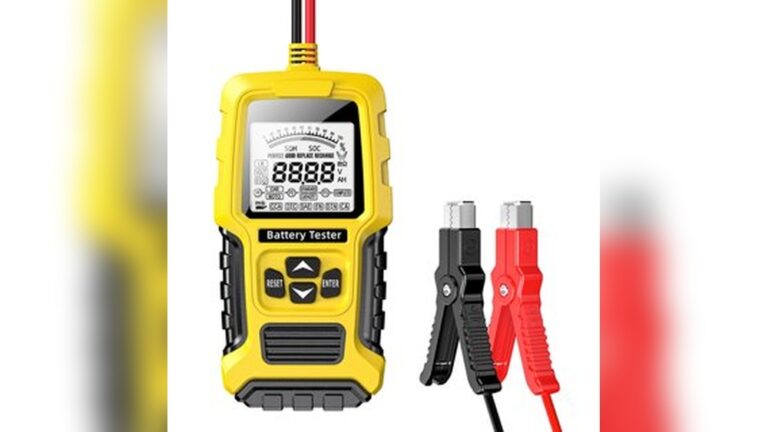
Testing a battery is simple and quick. Use a multimeter to check voltage. A fully charged battery reads about 12.6 volts. Below 12.4 volts means the battery is weak. Testing under load is better. This means checking voltage while starting the car. Voltage dropping below 10 volts during start shows weakness. Many auto shops test batteries for free. You can also buy a battery tester. This tool gives a clear health status. Testing helps decide if you can replace the battery yourself.
Tools Required For Replacement
Changing a car battery is a task many can do at home. The right tools make the job easier and safer. Knowing what you need helps you prepare well. This section lists all the tools required for a smooth battery replacement.
Essential Tools List
You need a few basic tools. A wrench or socket set is essential for loosening battery terminals. A battery terminal puller helps remove stubborn connections. A wire brush cleans corrosion off the terminals. A battery carrier or strap makes lifting safer. Keep a container ready to hold old bolts and nuts.
Safety Gear To Use
Safety is important while changing a battery. Wear gloves to protect your hands from acid and dirt. Safety glasses shield your eyes from sparks or debris. Use long sleeves to avoid skin contact with battery acid. Keep a cloth or rag handy to wipe spills quickly.
Preparing To Replace The Battery
Preparing to replace your car battery starts with a few simple steps. These steps help ensure safety and make the process easier. Knowing where the battery is and how to disconnect it is important. Taking time to prepare saves effort later.
Locating The Battery
Most car batteries sit under the hood. Open the hood carefully and look for a rectangular box with two cables attached. Some cars have batteries in the trunk or under a seat. Check your car manual to find the exact spot. The battery has a positive (+) and a negative (-) terminal on top.
Disconnecting The Old Battery
Always disconnect the negative terminal first. This reduces the risk of sparks and injury. Use a wrench to loosen the nut on the negative cable clamp. Remove the cable and place it away from the battery. Then, loosen the positive terminal nut and remove the cable. Be careful not to touch both terminals at once. Wear gloves and safety glasses to protect yourself.
Step-by-step Battery Replacement
Changing a car battery yourself is easier than many think. This step-by-step guide helps you replace the battery safely and quickly. Follow each step carefully to avoid any damage or mistakes.
Removing The Old Battery
First, turn off your car and open the hood. Locate the battery, usually near the front. Use a wrench to loosen the negative cable first. Always remove the negative cable before the positive one. Next, loosen the positive cable and carefully remove it. Check for any clamps or brackets holding the battery. Remove these to free the battery. Lift the battery out slowly; it can be heavy.
Installing The New Battery
Place the new battery in the same spot as the old one. Make sure it sits firmly in the tray. Align the battery terminals correctly; positive to positive, negative to negative. Avoid touching both terminals at the same time. Check the battery’s orientation to ensure proper fit.
Securing Connections
Attach the positive cable first and tighten the clamp securely. Then connect the negative cable and tighten it well. Ensure both connections are tight and stable. Check for any movement by gently shaking the battery. Replace any clamps or brackets to hold the battery firmly. Close the hood and start your car to test the new battery.
Post-replacement Checks
After changing your car battery, some important checks help ensure everything runs smoothly. These steps confirm your new battery works well and your car’s systems function correctly. Skipping these checks may cause issues or damage.
Starting The Car
Turn the key or press the start button. Listen for any unusual sounds. The engine should start easily and run smoothly. If the car struggles, check the battery connections. Tighten any loose clamps. A fresh battery should deliver strong power right away.
Resetting Electronics
Some car settings might reset after battery change. Radios, clocks, and navigation systems may need resetting. Follow your car manual for specific instructions. Resetting avoids errors and keeps your electronics working. Make sure all features respond normally before driving off.

Credit: www.wikihow.com
Safety Tips During Replacement
Changing a car battery involves risks that you must manage carefully. Safety is the top priority during replacement. Taking the right precautions protects you from harm and prevents damage to your car. Follow these safety tips to handle the battery safely and avoid common hazards.
Handling Battery Acid
Car batteries contain acid that can hurt your skin and eyes. Always wear gloves and safety glasses. Avoid touching your face or eyes while working. If acid touches your skin, rinse immediately with water. If acid gets in your eyes, flush with water for at least 15 minutes and seek medical help. Keep baking soda nearby to neutralize any acid spills. Clean spills carefully to avoid damage.
Avoiding Electrical Hazards
Disconnect the negative terminal first to prevent sparks. Use insulated tools to reduce shock risk. Never let metal objects touch both terminals at once. Remove jewelry before starting work. Work in a well-ventilated area to avoid gas buildup. Check your car manual for battery location and instructions. Follow correct steps to connect and disconnect cables safely. Double-check connections before starting the engine.
When To Seek Professional Help
Changing a car battery can seem simple, but some situations need expert help. Knowing when to call a professional saves time and avoids damage. Certain cars and battery types require special care. Here are key points to consider before deciding to do it yourself.
Complex Battery Systems
Modern cars often have complex battery systems. Some use multiple batteries or special electronic controls. These systems need careful handling to avoid errors. A wrong step can cause electrical problems or damage the car’s computer. Professionals have the right tools and knowledge to work safely. They understand how to manage advanced systems without risk.
Warranty And Service Considerations
Many car batteries come with warranties that require professional installation. Doing it yourself might void the warranty. Some cars also have service agreements that cover battery replacement. Using a certified mechanic keeps the warranty valid. Professionals follow manufacturer guidelines and use approved parts. This protects your car and your rights under the warranty.

Credit: www.allianz.com.au
Frequently Asked Questions
Can I Safely Change My Car Battery Myself?
Yes, you can safely change your car battery with proper tools and precautions. Always disconnect the negative terminal first. Wear protective gloves and goggles to avoid acid contact. Follow your car manual instructions carefully to prevent damage or injury.
What Tools Do I Need To Change A Car Battery?
You need a wrench or socket set, gloves, safety glasses, and a battery terminal cleaner. A memory saver device is optional but helps retain electronic settings. Having these tools makes the battery replacement process smooth and safe.
How Long Does It Take To Replace A Car Battery?
Replacing a car battery typically takes 15 to 30 minutes. Time varies based on your car model and experience. Taking extra care while disconnecting and reconnecting terminals ensures safety and proper installation.
Can I Reuse Old Battery Cables For A New Battery?
Yes, you can reuse old battery cables if they are clean and undamaged. Check for corrosion or frayed wires. Clean terminals with a wire brush to ensure a good connection and prevent electrical issues.
Conclusion
Changing your car battery yourself is possible with care and the right tools. Always follow safety steps to avoid accidents. Double-check the battery type matches your car’s needs. Taking your time helps prevent mistakes. If unsure, asking a professional is smart.
Doing this task can save money and build confidence. Simple steps lead to success. Try it only if you feel ready. Your car will thank you with a fresh start every time.