
Have you ever wondered, “Can I drive my car with a bad alternator?” It’s a question that might pop up when your dashboard lights start flickering or your battery feels weak.
Your car’s alternator plays a crucial role in keeping everything running smoothly. Ignoring its problems could leave you stranded unexpectedly. You’ll discover why driving with a bad alternator can be risky, how to spot the warning signs early, and what steps you should take to protect your car and your safety.
Keep reading to find out everything you need to know before hitting the road.
What Does An Alternator Do
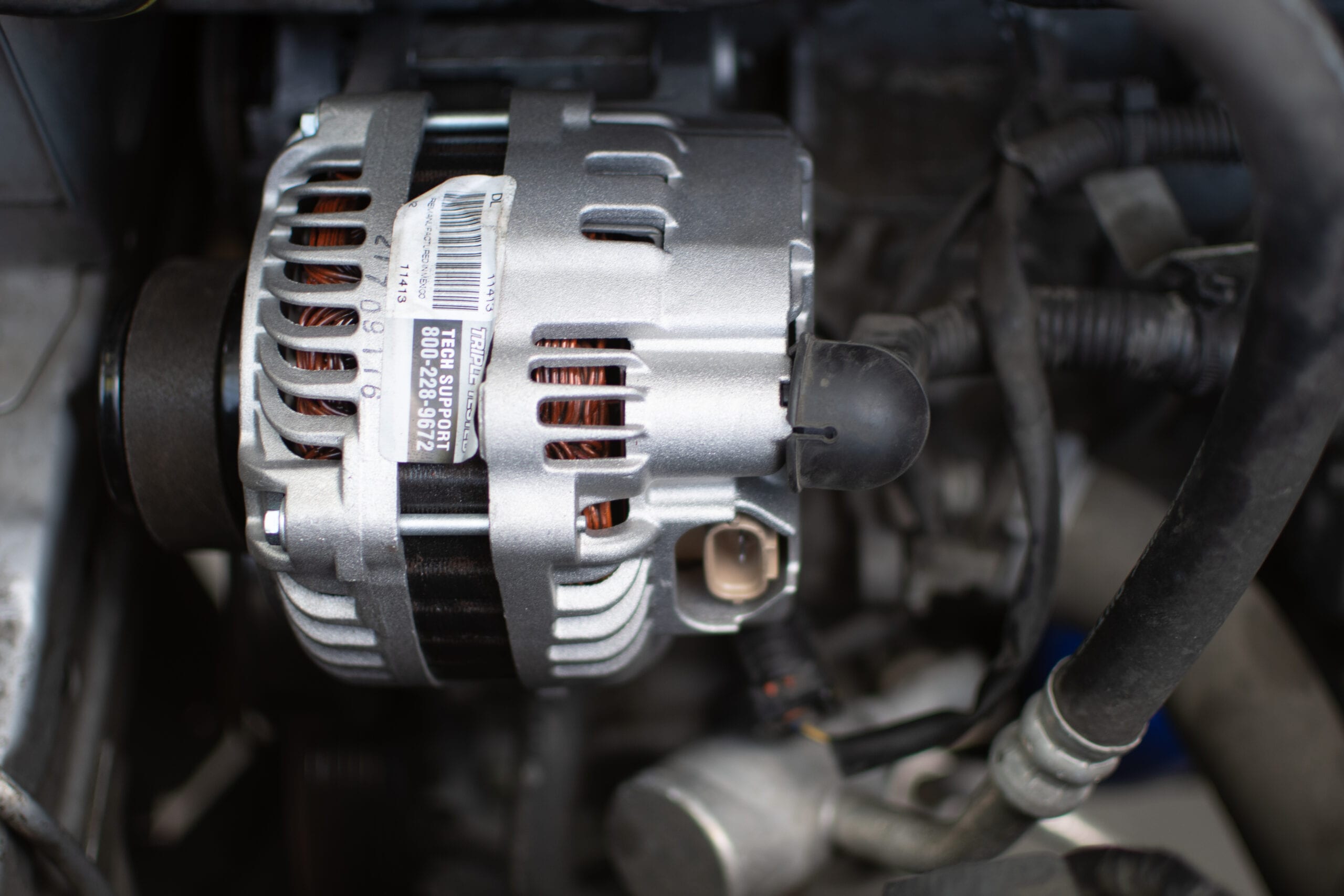
The alternator is a key part of your car’s electrical system. It keeps the battery charged and powers the electrical parts while the engine runs. Without a working alternator, your car will face serious problems.
Understanding what an alternator does helps you know why a bad one matters. It helps keep your car alive and running smoothly.
How An Alternator Generates Power
The alternator changes mechanical energy into electrical energy. It uses a belt connected to the engine to spin inside. This spinning creates electricity that charges the battery and powers lights, radio, and other devices.
Why The Battery Needs The Alternator
The battery starts the engine but does not last long alone. The alternator recharges the battery while driving. It ensures the battery has enough power to start your car the next time.
What Happens When The Alternator Fails
A bad alternator cannot charge the battery properly. The battery loses power fast and the car may stop running. Electrical parts like headlights and dashboard lights might dim or stop working.
Credit: www.autozone.com
Signs Of A Failing Alternator
An alternator is vital for your car’s electrical system. When it starts to fail, your vehicle shows clear signs. Recognizing these signs early can prevent bigger problems and costly repairs.
Watch for changes in how your car’s lights and electrical parts work. Strange noises and dashboard warnings also hint at alternator trouble.
Dim Or Flickering Lights
One common sign is dim or flickering headlights and interior lights. This happens because the alternator isn’t supplying enough power. Your lights may brighten when you rev the engine. This flickering means the alternator’s output is unstable.
Electrical Issues
Electrical components may act weird. Power windows might move slowly. The radio or dashboard instruments could stop working properly. These issues occur when the alternator can’t keep the battery charged. This causes low power in the car’s electrical system.
Strange Noises
A failing alternator often makes unusual sounds. You might hear grinding or whining noises from under the hood. These sounds mean the alternator’s bearings or other parts are worn out. Ignoring these noises can lead to complete alternator failure.
Battery Warning Light
The battery warning light on the dashboard often turns on. This light signals the alternator is not charging the battery correctly. The car’s computer detects low voltage and alerts you. This warning should not be ignored to avoid getting stranded.
Risks Of Driving With A Bad Alternator
Driving with a bad alternator puts your car at serious risk. The alternator charges the battery and powers electrical parts. When it fails, problems start fast. Small issues can become big, costly repairs. Understanding these risks helps you avoid danger on the road.
Ignoring a bad alternator can leave you stranded or cause damage. Knowing the signs is key to staying safe and saving money.
Battery Drain
A faulty alternator cannot recharge the battery properly. The battery loses power quickly and may die. This leaves the car unable to start or run. You might notice dim lights or slow power windows. Battery drain happens because the alternator stops supplying steady energy.
Car Stalling
The engine needs electricity to run smoothly. A bad alternator causes the engine to stall or stop suddenly. This can happen while driving or at a stop light. Stalling creates dangerous situations, especially in traffic or on highways. A failing alternator disrupts the power flow to the engine.
Damage To Electrical Components
Electrical parts rely on steady power from the alternator. A bad alternator causes voltage spikes or drops. These changes harm sensitive components like the radio, lights, or computer system. Damage to these parts can be expensive to fix. Protect your car’s electrical system by addressing alternator issues fast.
Credit: www.autozone.com
How Long Can You Drive With A Bad Alternator
How long you can drive with a bad alternator depends on many factors. The alternator charges the car battery while the engine runs. When it fails, the battery powers the car alone. This battery power is limited and will run out quickly. Driving with a bad alternator is risky and can leave you stranded.
Battery Life After Alternator Failure
The battery usually lasts 30 minutes to 1 hour after alternator failure. It depends on the battery’s health and the car’s power use. Lights, radio, and air conditioning drain the battery faster. Once the battery dies, the car will stop running.
Signs You Should Stop Driving
Dim headlights and flickering dashboard lights are warning signs. The engine may run rough or stall suddenly. Strange noises can come from the alternator area. These signs mean the alternator is failing. Stop driving as soon as possible to avoid damage.
Risks Of Driving Too Long
Driving with a dead alternator can harm the battery permanently. The car may lose power steering and brakes, making driving dangerous. Electronic systems can fail, causing accidents or breakdowns. Repair costs rise if the battery or other parts get damaged.
Steps To Take If Your Alternator Fails
Knowing the steps to take if your alternator fails can save you from further car trouble. A bad alternator affects your car’s battery and electrical system. Acting quickly helps prevent getting stranded or causing more damage. Here are simple actions to follow.
Check The Battery
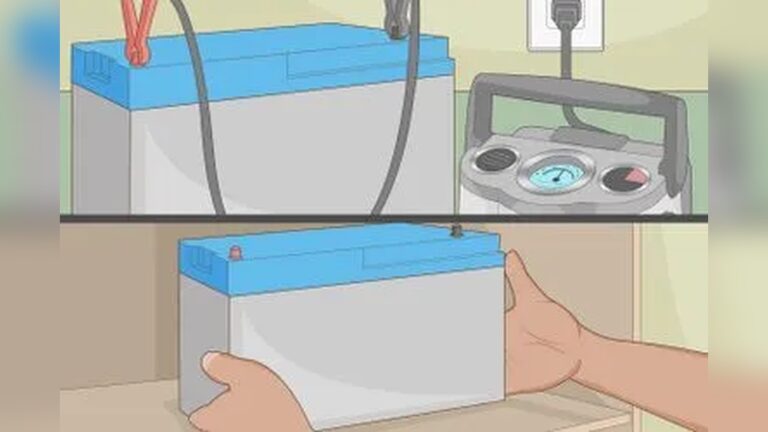
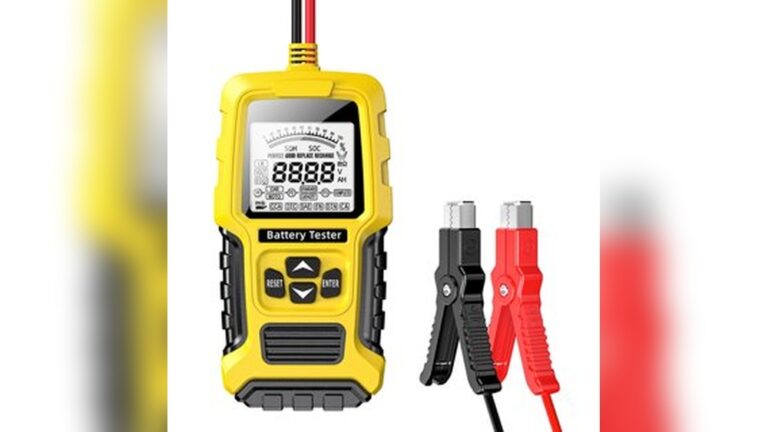
Start by inspecting the car battery. A failing alternator stops the battery from charging. Look for dim headlights or slow engine starts. These signs show the battery is draining. If you have a voltmeter, check the battery voltage. It should read about 12.6 volts when the engine is off. When running, the voltage should be between 13.7 and 14.7 volts. Lower readings indicate the alternator is not charging the battery properly.
Avoid Using Electrical Accessories
Turn off all electrical accessories. This includes the radio, air conditioning, and lights. Using these drains the battery faster. Keep electrical use to a minimum until you get help. Drive only if necessary and try to reach a safe place. Reducing power load helps your car last longer despite the alternator issue.
Seek Professional Help
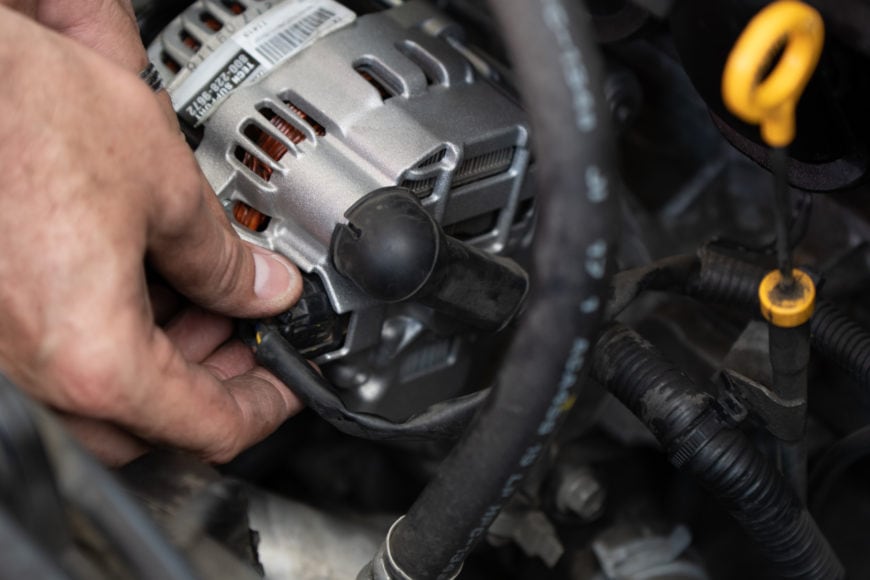
Contact a mechanic or roadside assistance quickly. A professional can test the alternator and battery. They can fix or replace the faulty alternator. Driving with a bad alternator risks your safety. Repairs done early prevent costly damage to other parts. Getting expert help ensures your car runs smoothly again.
Alternator Replacement Costs
Replacing a bad alternator can cost different amounts. The price depends on the car model and where you get it fixed. Knowing these costs helps you plan your budget better.
Many car owners worry about high repair bills. Understanding the cost breakdown makes the process clear and less stressful.
Cost Of Parts
The alternator itself can range from $100 to $400. Prices vary based on brand and car type. Some cars need special parts, which cost more.
Labor Charges
Mechanics usually charge between $50 and $150 per hour. Replacing an alternator takes one to two hours. Labor costs depend on the repair shop’s location and reputation.
Additional Fees
Some shops add fees for shop supplies or disposal. These fees usually add $10 to $50 to the total bill. Always ask for a detailed estimate before work begins.
Do-it-yourself Savings
Replacing the alternator yourself can save labor costs. You only pay for the part. But this needs basic tools and mechanical skill.
Preventing Alternator Problems
Preventing alternator problems can save you from car troubles and costly repairs. A well-maintained alternator keeps your car’s electrical system running smoothly. Small steps help avoid breakdowns and extend the life of your alternator.
Regular Maintenance
Check the alternator belt often. Make sure it is tight and not worn out. Replace the belt if it shows cracks or damage. Keep the alternator clean. Dirt and oil can reduce its performance. Regular visits to a mechanic help catch problems early.
Battery Care
A healthy battery supports the alternator. Clean battery terminals to avoid corrosion. Check the battery charge level regularly. A weak battery forces the alternator to work harder. Replace old or failing batteries to reduce stress on the alternator.
Listen For Warning Signs
Listen for strange noises like whining or grinding sounds. Flickering dashboard lights can signal alternator trouble. Dim headlights at night mean low power from the alternator. Pay attention to these signs and act quickly to prevent bigger problems.
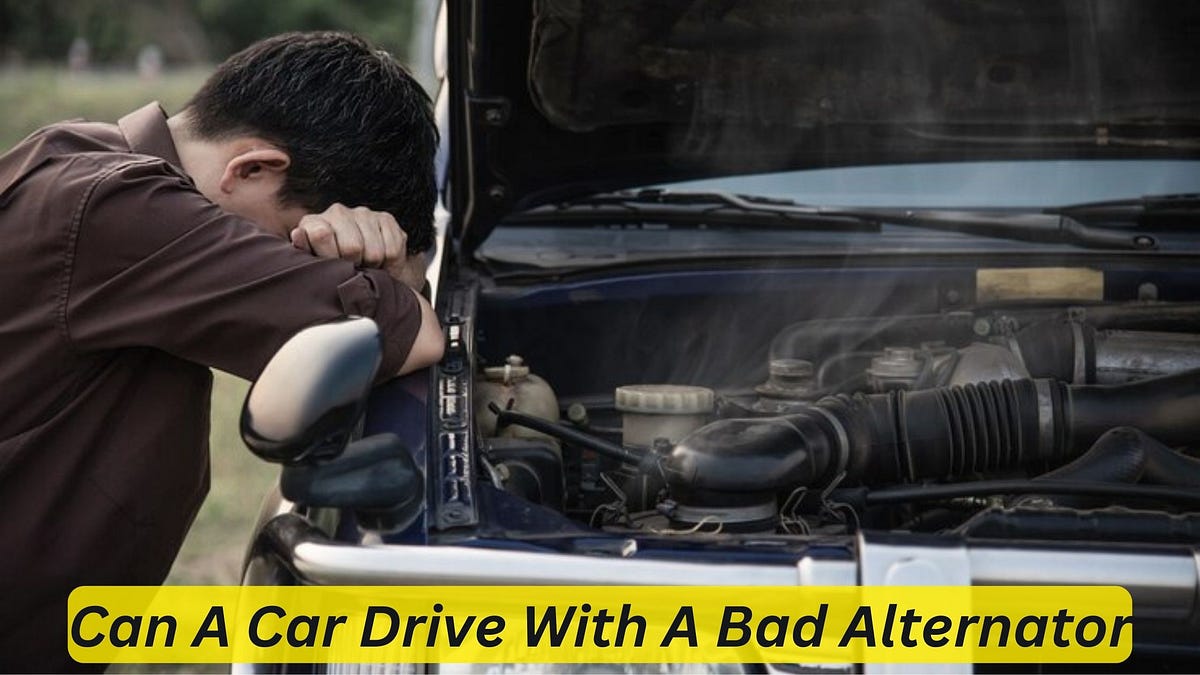
Credit: medium.com
Frequently Asked Questions
Can I Drive With A Bad Alternator Temporarily?
Yes, you can drive a short distance with a bad alternator. However, the battery will quickly drain. This can cause your car to stall unexpectedly. It’s best to fix or replace the alternator soon to avoid breakdowns and costly repairs.
What Are Signs Of A Failing Alternator?
Common signs include dim headlights, warning lights on the dashboard, and a dead battery. You may also hear strange noises or notice electrical issues. These symptoms indicate your alternator is not charging the battery properly and needs inspection.
How Long Can A Car Run With A Bad Alternator?
A car usually runs only 30 minutes to an hour with a bad alternator. The battery provides temporary power, but once depleted, the engine will stop. Driving longer risks getting stranded and damaging the battery.
Is It Safe To Drive With A Failing Alternator?
It is unsafe to drive with a failing alternator. Electrical systems may fail, causing loss of power steering or brakes. This increases accident risk. Repair or replace the alternator promptly for safe driving.
Conclusion
Driving with a bad alternator can cause serious car problems. Your battery will lose power quickly. Lights may dim, and the engine might stall. This makes driving unsafe and risky. Fixing the alternator early saves money and stress. Don’t ignore warning signs like flickering lights or strange noises.
A quick repair keeps your car running well. Stay safe on the road by checking your car often. Better to fix now than face a breakdown later. Your car deserves good care for smooth driving.