
Have you ever wondered if you can hand wax your car right after an automated car wash? You want your vehicle to look shiny and protected, but timing is everything.
Doing it too soon or at the wrong moment might ruin your hard work or even damage your paint. If you’re eager to keep your car looking its best without wasting time or effort, this guide will help you understand exactly when and how to hand wax after an automated wash.
Keep reading to learn the simple steps that will make your car shine like new every time.
Impact Of Automated Car Washes On Car Paint
Automated car washes offer a quick and easy way to clean your vehicle. They use machines to wash your car without you doing much work. While convenient, these washes can affect your car’s paint over time. Understanding how automated washes impact paint helps you care for your car better.
Common Types Of Automated Car Washes
Brush car washes use rotating brushes to scrub your car. They can remove dirt but may scratch paint. Touchless car washes spray high-pressure water and soap without touching the car. They are gentler but might not clean tough grime. Soft cloth car washes use soft fabric strips to clean. They are less harsh but still touch the paint.
Potential Paint Damage Risks
Hard brushes can cause fine scratches on your car’s paint. Dirt trapped in brushes can create swirl marks. High-pressure water may force dirt into tiny paint gaps. Chemicals in soaps might strip wax and damage paint layers. Repeated washing with aggressive methods can dull the paint finish.
Residue Left After Washing
Some car washes leave soap or mineral spots on the paint. Water spots occur when water dries too fast on the surface. Residue can make the paint look dull and uneven. Leftover dirt in corners may cause small scratches later. Hand waxing after washing helps remove residue and protect paint.
Credit: www.whichcar.com.au
Timing Your Hand Wax After A Car Wash
Timing your hand wax after an automated car wash affects the final shine and protection. Knowing when to wax ensures the best results. Waxing too soon or too late can reduce its effectiveness.
Ideal Waiting Period Before Waxing
Wait at least 30 minutes after the car wash before waxing. This time lets your car dry completely. Wax sticks better to a dry surface. Rushing can trap moisture under the wax.
Signs Your Car Is Ready For Wax
The car should feel cool and dry to the touch. No water droplets should remain on the paint. The surface should look clean without dust or dirt. These signs mean the car is ready for wax.
Effect Of Water Spots On Wax Application
Water spots can harm wax application. They leave marks that wax seals in. This can make your car look dull. Avoid waxing if water spots are present. Clean these spots first for a smooth finish.
Preparing Your Car For Hand Waxing
Preparing your car for hand waxing is an important step to get the best results. Clean and dry surfaces help wax stick better. Dirt or water left on your car can cause uneven application or streaks. Taking time to prepare your car properly protects the paint and makes waxing easier and more effective.
Cleaning And Drying Steps
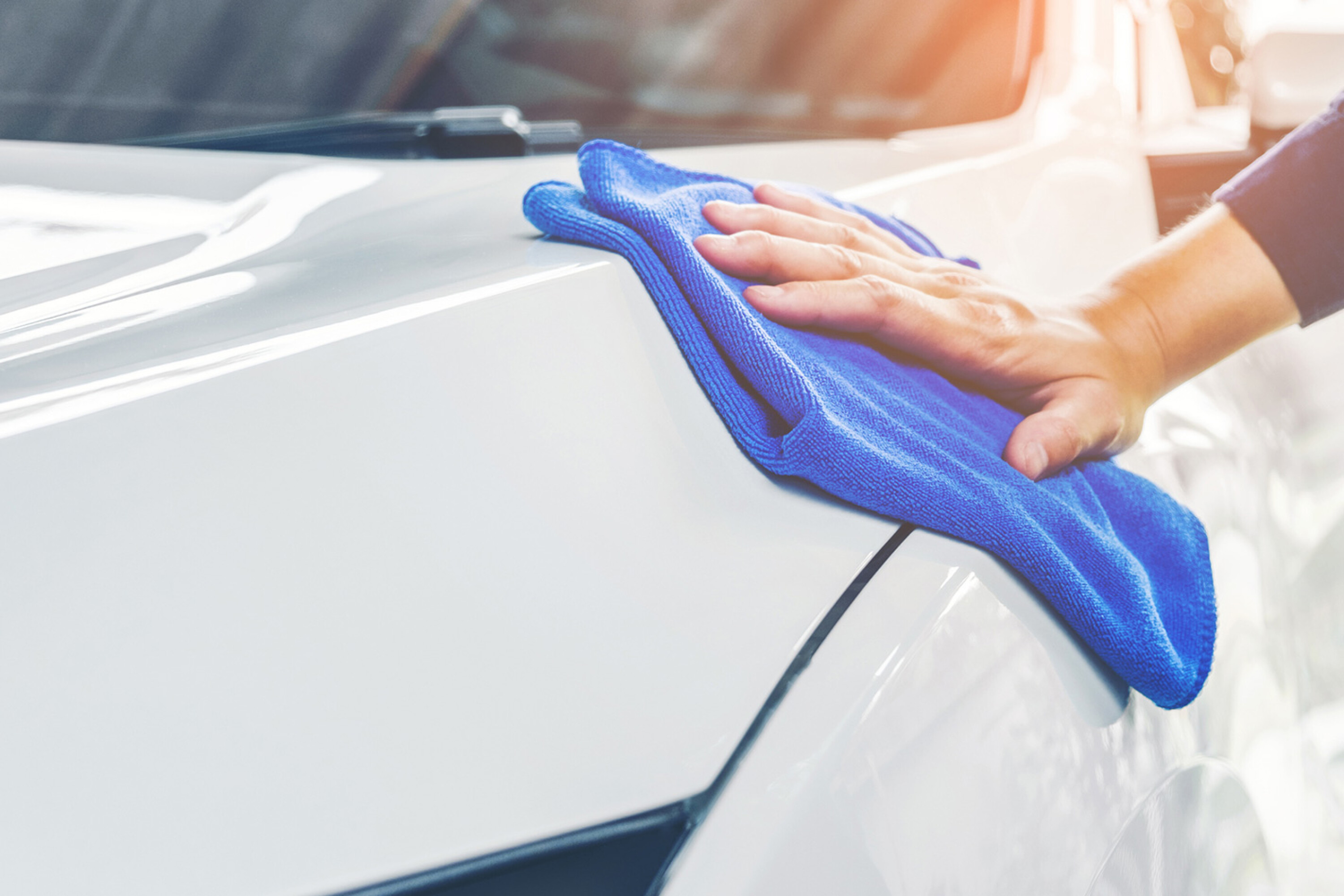
Start by rinsing your car to remove loose dirt. Use a gentle car shampoo and a soft sponge to wash all surfaces. Rinse thoroughly to remove soap. Dry the car with a clean microfiber towel. Make sure no water spots remain before waxing.
Removing Contaminants
Some dirt sticks tightly to the paint. Use a clay bar to remove these contaminants. Spray lubricant on the surface and gently rub the clay bar over it. This step smooths the paint and prepares it for wax. It also prevents scratches during waxing.
Tools And Materials Needed
Gather a soft wash mitt, microfiber towels, car shampoo, clay bar kit, and quality hand wax. Use applicator pads for even wax application. Keep all tools clean to avoid adding dirt or scratches. Having everything ready saves time and makes waxing easier.
Hand Wax Techniques Post Automated Wash
After an automated car wash, hand waxing your vehicle keeps the shine and protects the paint. This step adds a smooth layer that machines can miss. Applying wax by hand improves the car’s look and guards against dirt and weather. Use the right methods for the best finish and longer protection.
Choosing The Right Wax Type
Select wax based on your car’s paint and your needs. Paste wax lasts longer but takes more effort. Liquid wax is easier to apply and good for quick touch-ups. Synthetic wax offers strong protection and a shiny finish. Check product labels to match your car’s color and paint type.
Application Tips For Best Results
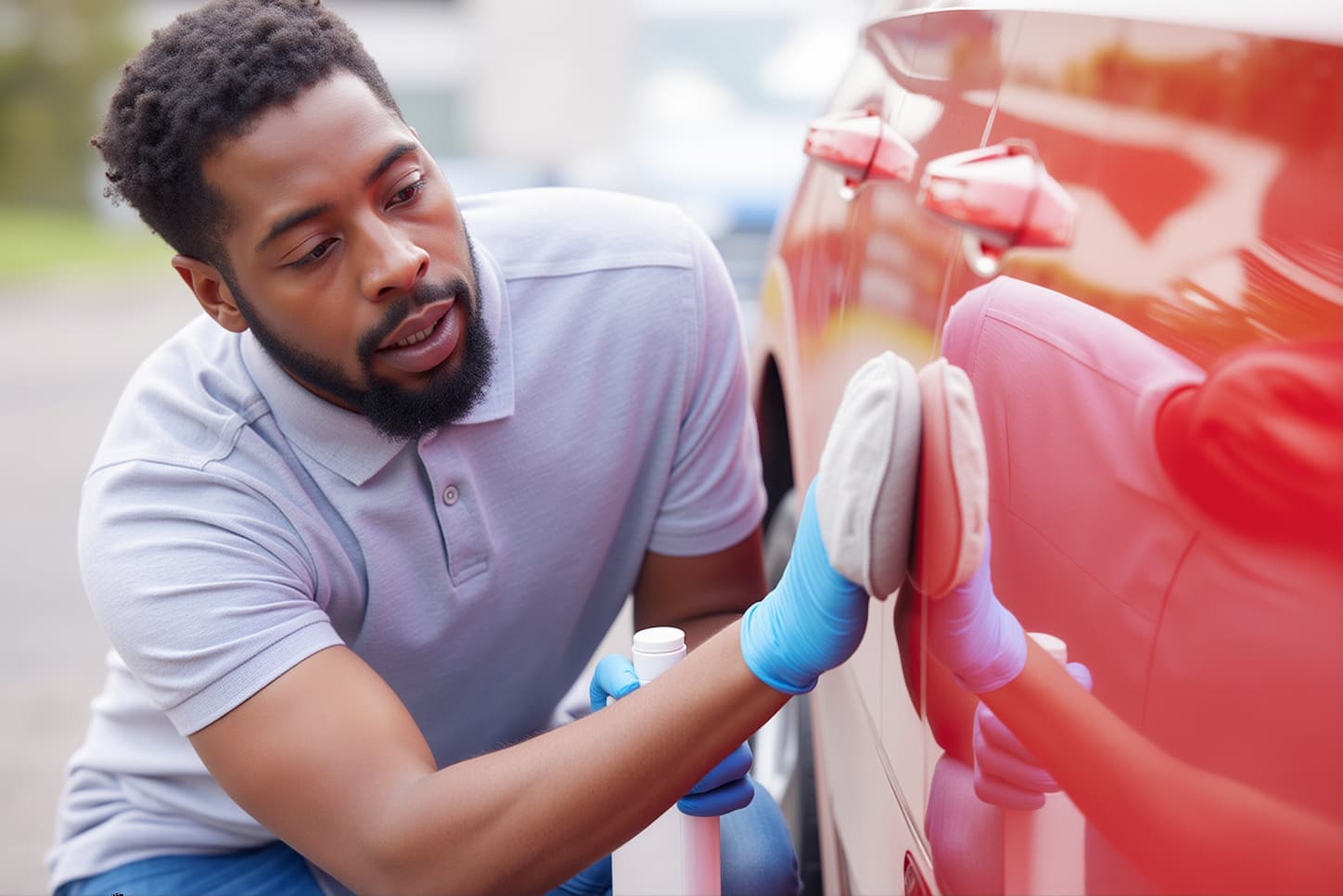
Start with a clean, dry car surface to avoid trapping dirt. Use a soft foam applicator or microfiber cloth for smooth spreading. Apply wax in small sections with circular motions. Let the wax dry to a haze before buffing it off. Buff gently with a clean microfiber towel for shine.
Avoiding Common Waxing Mistakes
Do not wax in direct sunlight; it causes streaks and spots. Avoid applying too much wax, which can leave residue. Skip waxing over dirty or wet surfaces to prevent scratches. Don’t use rough cloths that can damage paint. Take time to remove all wax residues fully.
Benefits Of Hand Waxing After Car Wash
Hand waxing after an automated car wash gives your car extra care. It adds a layer of protection and makes your vehicle look better. This process helps keep your paint safe and shining longer. Applying wax by hand lets you cover every part carefully. It fixes small spots missed by machines. The benefits are clear and worth the effort.
Enhancing Paint Protection
Hand waxing creates a strong shield on your car’s paint. It blocks dirt, dust, and harmful UV rays. This shield prevents scratches and fading. Automated washes clean well but do not protect paint fully. Waxing by hand seals the surface and keeps it safe. It helps your car stay new for a longer time.
Improving Shine And Appearance
Waxing by hand brings out a deep, glossy shine. It smooths the paint surface, making light reflect better. This shine makes your car look clean and fresh. Automated washes can leave dull spots behind. Hand wax fills these spots and evens out the shine. Your car looks polished and eye-catching after hand waxing.
Prolonging Wax Durability
Hand waxing helps wax last longer on your car. It presses the wax into the paint better than machines. This strong bond makes the wax resist washing and weather. Automated waxes often wash away quickly. A hand-applied wax layer stays effective for weeks. It saves time and effort by reducing how often you wax.

Credit: automaniacs.us
Expert Advice And Best Practices
Knowing the best way to wax your car after an automated wash helps keep your paint healthy. Experts share clear tips to keep your car shiny without damage. Follow these guidelines to protect your paint and get the best results from waxing.
Frequency Of Waxing After Automated Washes
Wax your car every 2 to 3 months after using an automated wash. Frequent washing can strip wax from the paint surface. Reapplying wax regularly restores protection and shine. Avoid waxing too often to prevent build-up and uneven finish.
When To Skip Waxing
Skip waxing if your car is very dirty or wet. Wax sticks better on a clean, dry surface. Avoid waxing right after heavy rain or mud. Also, do not wax if the paint is damaged or peeling. Give your car time to heal first.
Combining Wax With Other Paint Treatments
Use wax along with sealants for longer paint protection. Sealants form a stronger shield but may lack wax’s shine. Apply wax after sealants to add gloss. Avoid mixing wax with polish or abrasive products on the same day. This prevents paint damage and uneven results.
Credit: www.carstar.com
Frequently Asked Questions
Can I Apply Hand Wax Right After An Automated Car Wash?
Yes, you can hand wax immediately after an automated car wash. Ensure your car is fully dry to avoid trapping water under the wax, which can affect its effectiveness.
Does Automated Washing Affect Wax Application?
Automated car washes can strip existing wax layers. Applying hand wax afterward helps restore protection and shine to your vehicle’s paint surface.
How Long Should I Wait Before Waxing Post-wash?
Wait until your car is completely dry before waxing. This usually takes 30 minutes to an hour, depending on weather conditions, to ensure proper wax adhesion.
Is Hand Waxing Better Than Automated Waxing?
Hand waxing provides better control and coverage than automated waxing. It allows you to apply wax evenly, protecting your car’s paint more effectively.
Conclusion
Hand waxing after an automated car wash is safe and effective. The wash cleans dirt and grime, making waxing easier. Always dry your car fully before waxing. Use gentle, circular motions to apply wax by hand. This protects your paint and adds shine.
Regular waxing keeps your car looking new longer. It also helps guard against weather damage. Try to wax every few weeks for best results. Taking care of your car paint pays off. Simple steps make your car look its best.