
Have you ever wondered if you can put a bigger oil filter on your car? It’s a question many car owners ask when looking to improve their vehicle’s performance or extend maintenance intervals.
But before you grab that larger filter, there are important things you need to know. Using the wrong size oil filter might seem like a small change, but it can affect your engine’s health and your car’s efficiency. Keep reading to find out what happens when you choose a bigger oil filter and whether it’s the right move for your car.
Credit: www.mavericktruckclub.com
Oil Filter Basics
Understanding the basics of oil filters helps you care for your car better. Oil filters keep the engine running smoothly. They remove dirt and particles from the oil. Clean oil means less engine wear and longer life.
Knowing how oil filters work and their sizes can guide your choices. Choosing the right oil filter is important. Using a bigger filter might seem like a good idea, but there are things to know first.
Purpose Of An Oil Filter
The oil filter cleans the engine oil. It traps dirt, metal bits, and other debris. This prevents engine damage and keeps oil flowing freely. A good filter protects vital engine parts. It helps maintain engine performance and fuel efficiency.
Common Oil Filter Sizes
Oil filters come in many sizes and shapes. Size depends on the car’s make and engine type. Common sizes include small spin-on filters or larger cartridge filters. Using the right size ensures proper fit and function. A wrong size can cause leaks or poor filtration.
How Oil Filters Work
Oil flows through the filter’s media. The media traps harmful particles. Clean oil then circulates through the engine. Filters have a bypass valve for thick oil or cold starts. This valve lets oil flow even if the filter clogs. Proper flow keeps the engine safe and efficient.
Bigger Oil Filters Explained
Bigger oil filters come in various sizes and offer different benefits. They can hold more oil and trap more dirt. Understanding their features helps decide if they suit your car. Some drivers consider larger filters for better engine protection.
Choosing the right oil filter size matters for your car’s health. Let’s explore the details about bigger oil filters below.
Differences In Size And Capacity
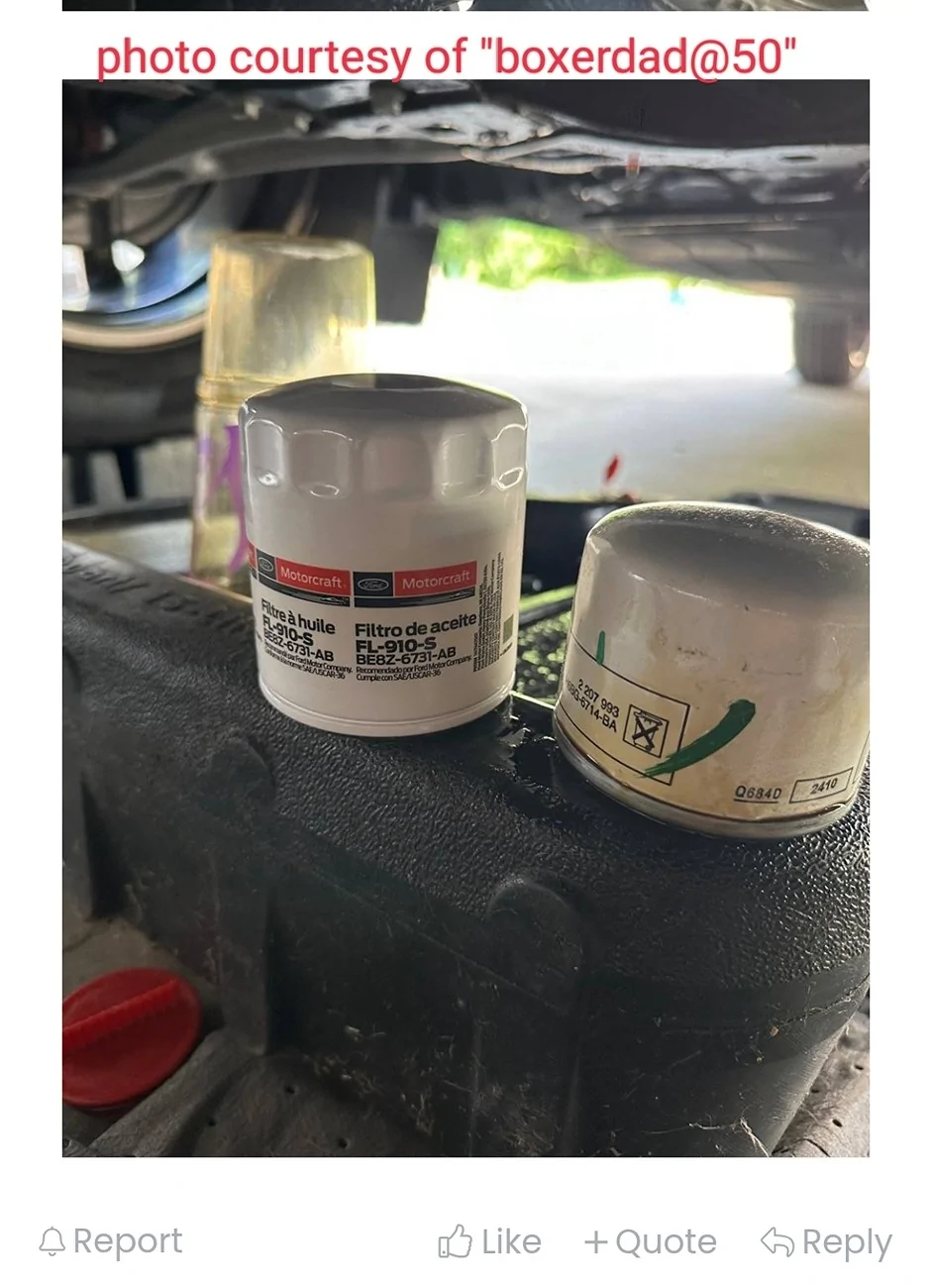
Bigger oil filters have larger dimensions than standard ones. They contain more filtering media inside. This means they can hold more oil and catch more contaminants. The increased size often means a higher capacity to trap dirt. This helps keep the engine oil cleaner for longer periods.
Benefits Of Larger Filters
Larger filters can improve oil flow to your engine. More filtering media means better dirt removal. This can lead to longer oil life and less engine wear. Bigger filters also extend the time between oil changes. This saves money and reduces waste.
Potential Drawbacks
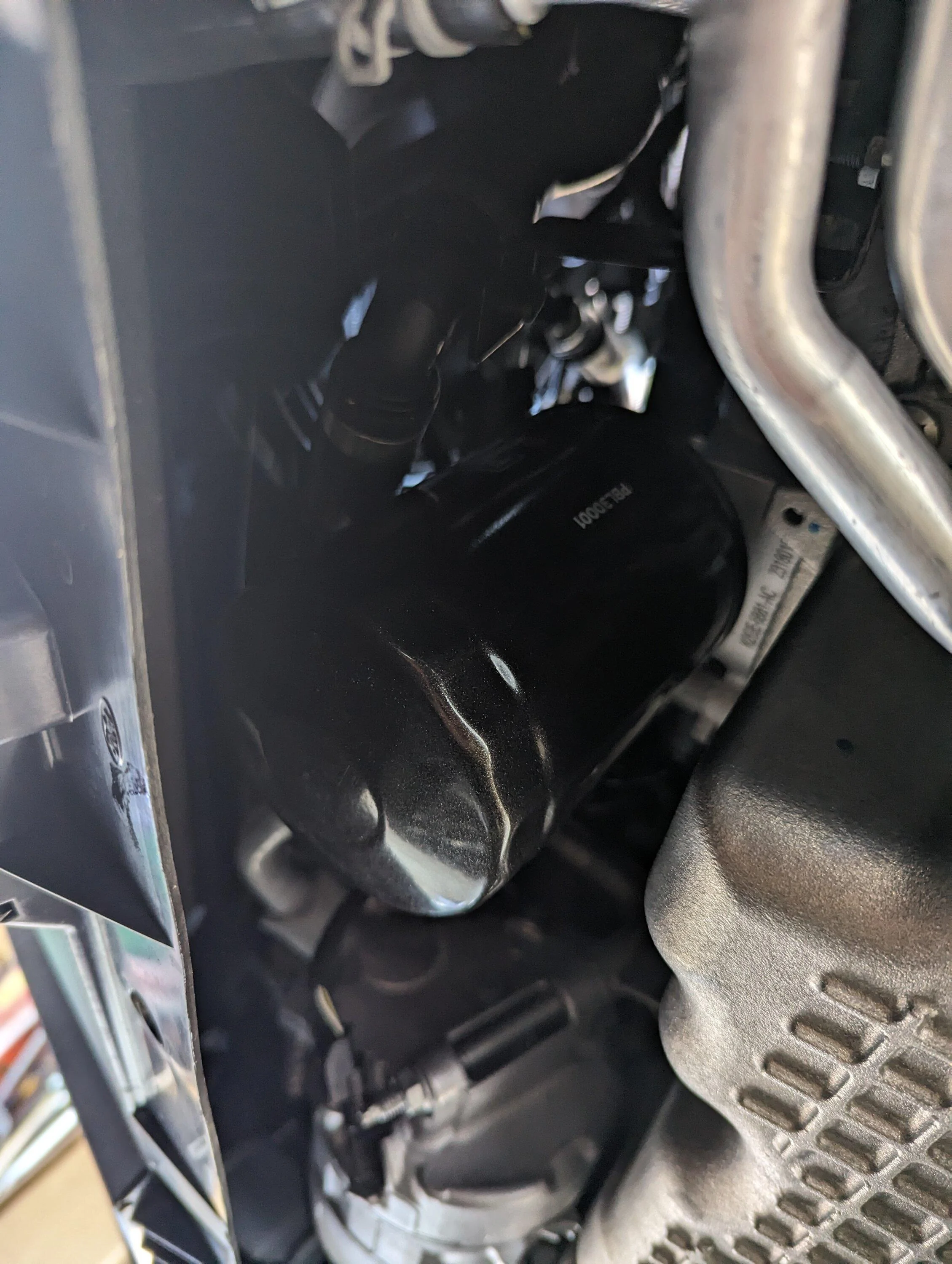
Bigger filters might not fit every engine space. They can interfere with nearby engine parts. Using a wrong size may cause oil leaks or poor sealing. Some cars need specific filter sizes for proper pressure. Always check compatibility before switching to a larger filter.
Compatibility Considerations
Choosing a bigger oil filter for your car is not always simple. You must check if the new filter fits well with your engine. Several factors affect whether a larger filter works safely and properly.
Thread Size And Mounting
The thread size of the oil filter must match the engine’s filter mount. A bigger filter with different threads won’t fit or seal correctly. Mounting style matters too. Some engines need a spin-on filter, others a cartridge type. Using the wrong type can cause leaks or damage.
Space Constraints In Engine Bay
Engine bays have limited space. A bigger oil filter might not fit in the tight area. It could touch other parts or make it hard to reach components. Check space around the current filter before buying a larger one. Proper clearance is essential to avoid damage and allow easy filter changes.
Impact On Oil Pressure
Oil filters affect oil flow and pressure. A larger filter may change the pressure inside the engine. Too low or too high pressure can harm engine parts. The filter must allow proper oil flow to keep the engine safe. Verify the new filter supports the right pressure for your car.
Performance And Maintenance
Choosing a bigger oil filter affects your car’s performance and maintenance. It changes how the engine handles oil cleaning and lifespan. Understanding these effects helps keep your engine running well.
Filter Efficiency And Lifespan
Bigger oil filters hold more oil and trap more dirt. They clean oil better and last longer than smaller filters. This means the oil stays cleaner for a longer time. But bigger filters must fit your engine properly. A poor fit can cause leaks or poor oil flow.
Effect On Engine Performance
A larger oil filter can help the engine run cooler. Cleaner oil reduces wear on engine parts. This can improve engine life and smoothness. But a too-large filter can cause oil pressure problems. Always use a size that matches your engine’s needs.
Recommended Oil Change Intervals
Bigger filters can extend the time between oil changes. They hold more contaminants, keeping oil cleaner longer. Still, follow the vehicle manufacturer’s advice for oil changes. Changing oil regularly protects the engine and keeps it healthy.
Expert Advice And Manufacturer Guidelines
Choosing the right oil filter size is important for your car’s health. Expert advice and manufacturer guidelines help you make the best choice. These sources provide clear rules and tips for safe and effective maintenance.
Consulting Vehicle Manual
The vehicle manual is the first place to check. It lists the exact oil filter size needed for your engine. Using the recommended size ensures proper fit and function. The manual also explains any limits on filter changes.
Seeking Professional Opinions
Mechanics and car experts have hands-on experience. They know which filters work best for specific models. They can warn about risks of using bigger filters. Their advice helps avoid damage and costly repairs.
Warranty And Safety Concerns
Using a non-recommended filter size can void your warranty. Car manufacturers set strict guidelines to protect your vehicle. Safety might be at risk with a bigger oil filter. Sticking to guidelines keeps your car safe and covered.
Credit: www.mavericktruckclub.com

Credit: www.reddit.com
Frequently Asked Questions
Can I Use A Bigger Oil Filter On My Car?
Using a bigger oil filter is not recommended. It may not fit properly and can cause leaks or poor oil flow. Always use the filter size specified by your vehicle manufacturer for optimal performance and safety.
What Happens If Oil Filter Size Is Incorrect?
An incorrect oil filter size can lead to oil leaks and engine damage. It may also cause improper oil pressure and reduced filtration efficiency. Stick to the recommended size to maintain engine health and avoid costly repairs.
Will A Larger Oil Filter Improve Engine Performance?
A larger oil filter does not necessarily improve engine performance. The key is proper filtration, not size. Using the correct filter ensures your engine receives clean oil and runs smoothly.
How To Choose The Right Oil Filter Size?
Check your vehicle’s owner manual or consult a mechanic to find the correct oil filter size. Using the recommended filter ensures compatibility, proper fit, and efficient oil filtration for your engine’s longevity.
Conclusion
Choosing a bigger oil filter might seem helpful at first. But it may cause fitting issues or reduce oil flow. Always check your car’s manual for the right size. Using the correct filter keeps the engine safe and working well.
Small parts matter a lot in car care. Stay careful and avoid problems by using the right filter. Your engine will thank you for it.