
Are you wondering if a marine battery can power your car? It’s a question many car owners ask when they look for a reliable and long-lasting battery option.
You might think, “If it works on a boat, why not in my vehicle? ” But before you swap your car battery for a marine one, there are important facts you need to know. Using the wrong battery can affect your car’s performance and even cause damage.
Keep reading to discover whether a marine battery is the right choice for your car and what you should consider before making the switch. Your car’s power depends on it!
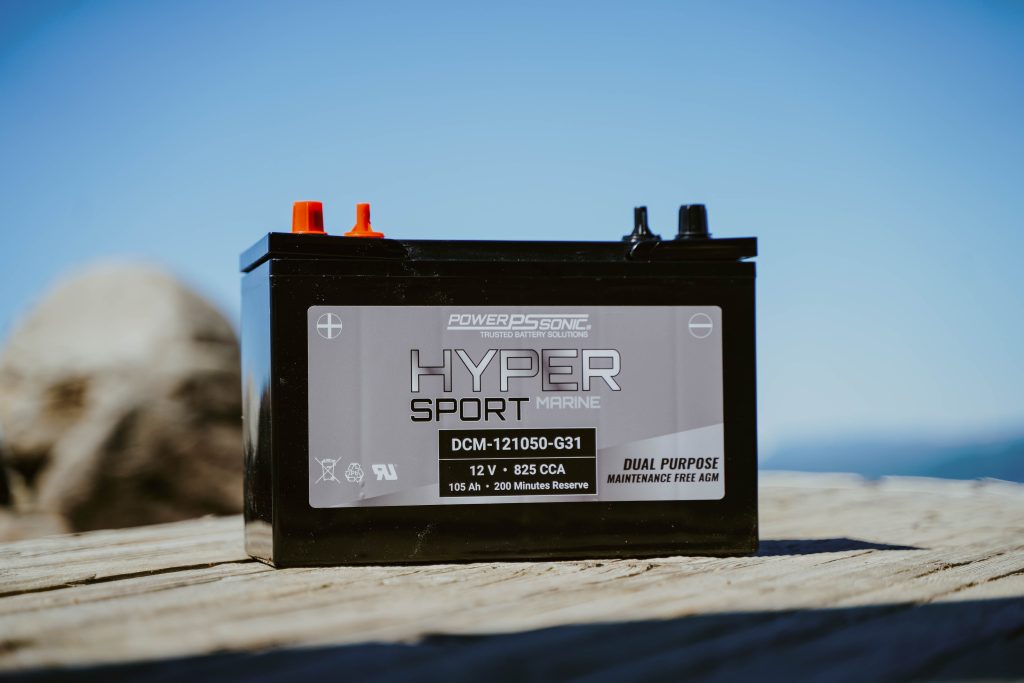
Credit: www.power-sonic.com
Differences Between Marine And Car Batteries
Marine and car batteries serve different purposes. Their design and features reflect this. Understanding these differences helps in choosing the right battery for your vehicle or boat.
Battery Design And Construction
Marine batteries have stronger cases to prevent leaks from rough water. They use thicker plates inside to handle constant vibration. Car batteries have thinner plates and lighter cases. This suits smooth driving on roads but not rough water conditions.
Power Output And Capacity
Car batteries deliver high power for a short time. They mainly start the engine and run electrical systems briefly. Marine batteries provide steady power over long periods. This supports boat accessories like lights and fish finders continuously.
Durability And Resistance
Marine batteries resist water, salt, and corrosion better. They also tolerate deep discharges without damage. Car batteries do not handle deep discharges well and can get damaged. They also lack strong resistance to corrosion from water exposure.
Pros Of Using Marine Batteries In Cars
Using a marine battery in a car has some clear benefits. These batteries are built to last and handle tough conditions. They offer qualities that can improve your car’s battery performance. Here are some of the main advantages of using marine batteries in cars.
Longer Lifespan
Marine batteries generally last longer than regular car batteries. They are designed to handle frequent charging and discharging cycles. This means fewer replacements and better value over time. A longer lifespan means less worry about battery failure on the road.
Better Deep-cycle Performance
Marine batteries excel at deep-cycle use. They can provide steady power over a long period without damage. This is helpful if your car has many electronic devices or accessories. The battery stays strong even after many uses, unlike standard car batteries.
Enhanced Durability
These batteries are built to resist water, vibration, and shocks. This makes them very durable in rough conditions. Cars often face bumps and temperature changes, so a tough battery is useful. Enhanced durability means fewer problems and longer reliable service.
Cons Of Using Marine Batteries In Cars
Using a marine battery in a car has some drawbacks. These batteries are designed for boats, not cars. This can lead to problems that affect your car’s performance and your wallet. Knowing the cons helps you make a better choice.
Higher Cost
Marine batteries usually cost more than car batteries. They have extra features for water resistance and durability. These features raise the price, but cars do not always need them. Spending more money might not be worth it for a regular car.
Weight And Size Considerations
Marine batteries are often bigger and heavier than car batteries. The extra weight can affect your car’s fuel efficiency. Also, the size might not fit well in the battery compartment. This can cause installation problems or require modifications.
Potential Compatibility Issues
Marine batteries have different power delivery than car batteries. Cars need a quick burst of power to start the engine. Marine batteries provide steady power over time. This mismatch can cause starting issues or reduce battery life in a car.
Factors To Consider Before Switching
Choosing a marine battery for your car needs careful thought. These batteries differ from regular car batteries in several ways. Understanding these differences helps you decide if a marine battery fits your car’s needs.
Vehicle Power Requirements
Car engines need a strong burst of power to start. Marine batteries provide steady power over time but may lack the quick burst. Check your car’s starting power needs before choosing a marine battery. Using the wrong battery can cause starting problems.
Charging System Compatibility
Marine batteries charge differently than car batteries. Your car’s alternator may not fully charge a marine battery. This can reduce battery life and performance. Confirm your car’s charging system works well with a marine battery to avoid issues.
Climate And Usage Conditions
Marine batteries are designed for wet and rough conditions. They resist vibration and water better than car batteries. For cars in harsh weather or rough roads, a marine battery might last longer. In mild climates and smooth roads, a regular car battery usually works fine.
Installation Tips For Marine Batteries In Cars
Installing a marine battery in your car requires some care to ensure safety and performance. Marine batteries differ from standard car batteries, so proper setup is key. Follow these tips to install your marine battery correctly and keep it working well.
Proper Mounting And Ventilation
Secure the marine battery firmly in the car’s battery tray. Use a strong battery hold-down bracket to prevent movement. Marine batteries may vent gases during use. Provide enough space around the battery for air to flow. Avoid placing the battery near heat sources or direct sunlight. Good ventilation helps reduce the risk of gas buildup and overheating.
Wiring And Connections
Use clean, corrosion-free battery terminals and cables. Tighten all connections securely but avoid over-tightening. Connect the positive cable to the battery’s positive terminal first. Then connect the negative cable to the negative terminal. Check cables for any signs of wear or damage. Replace old or frayed wires to prevent electrical problems. Marine batteries often have larger terminals; use the right cable size for safe current flow.
Maintenance Guidelines
Check the battery regularly for any signs of damage or leaks. Keep terminals clean and free from corrosion using a baking soda solution. Test the battery voltage with a multimeter every month. Charge the battery fully after long use or storage. Avoid deep discharges to extend battery life. Store the battery in a cool, dry place during winter or extended downtime. Proper care helps maintain battery strength and reliability.
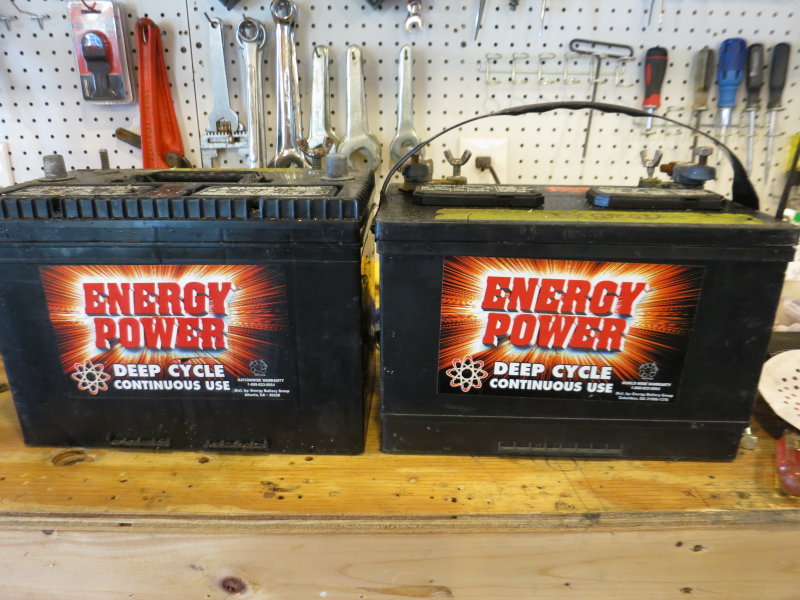
Credit: marinehowto.com
Alternatives To Marine Batteries For Cars
Choosing the right battery for your car matters a lot. Marine batteries are strong but not always the best fit. Other types of batteries work better in cars. These alternatives offer good power, last longer, and fit car needs well. Explore these options to find a better battery for your vehicle.
Deep-cycle Car Batteries
Deep-cycle batteries deliver steady power over a long time. They handle many charge and discharge cycles. Ideal for cars with high electrical demands. These batteries support accessories like lights and audio systems. They maintain energy without damaging the battery. A reliable choice for steady car power.
Agm And Lithium Options
AGM (Absorbent Glass Mat) batteries offer quick starts and high power. They resist vibrations and are spill-proof. Perfect for tough driving conditions. Lithium batteries weigh less and last longer. They charge faster and perform well in cold weather. Both types improve car efficiency and reliability.
Hybrid Battery Solutions
Hybrid batteries combine different technologies for better performance. They balance power and longevity. These solutions suit modern cars with complex electrical systems. Hybrid batteries reduce weight and improve fuel economy. They provide stable energy for daily driving needs.

Credit: www.wattcycle.com
Frequently Asked Questions
Can A Marine Battery Replace A Car Battery?
Yes, a marine battery can replace a car battery, but it’s not ideal. Marine batteries are designed for slow, steady power output. Car batteries provide quick bursts for starting engines. Using a marine battery in a car may lead to reduced performance and shorter battery life.
Are Marine Batteries Compatible With Car Electrical Systems?
Marine batteries are generally compatible with car electrical systems. However, their design focuses on deep cycling and durability, not high cranking power. This difference may cause starting issues or inefficient power delivery in cars. It’s best to use batteries designed specifically for automotive use.
What Are The Risks Of Using Marine Batteries In Cars?
Using marine batteries in cars can risk starting problems and battery damage. Marine batteries may not deliver the high cranking amps cars need. Also, their heavier weight and size might not fit properly. This can lead to poor performance and potential safety hazards.
How Long Do Marine Batteries Last In Cars?
Marine batteries typically last shorter in cars than car batteries. They are built for deep cycles, not frequent engine starts. Using them in cars may reduce their lifespan due to mismatched power demands. For longevity, it’s better to use batteries designed for automotive use.
Conclusion
Marine batteries can work in cars but are not the best choice. They are made for boats and have different power needs. Car batteries provide quick bursts of energy to start engines. Marine batteries last longer and handle deep charges but cost more.
Using a marine battery may cause starting problems or waste money. Choose a battery designed for your car for best results. This keeps your vehicle running smoothly and safely. Always check your car’s manual before buying any battery. Simple care and the right battery keep your car strong.