
Have you ever turned the key in your car’s ignition only to hear silence or a weak crank? It’s frustrating, right?
You might wonder if something as small as spark plugs could be the reason your car won’t start. The truth is, spark plugs play a crucial role in getting your engine running smoothly. If they fail, your car might refuse to start at all.
You’ll discover how spark plugs affect your car’s starting process and what you can do to keep them in good shape. Keep reading, because understanding this simple part could save you from being stranded unexpectedly.
Credit: automaxgroup.me
Role Of Spark Plugs
Spark plugs play an important role in your car’s engine. They help start the engine by creating the spark needed to ignite the fuel. Without spark plugs, the engine cannot run.
These small parts work hard every time you turn the key. Their job is simple but vital for your car’s performance and starting ability.
How Spark Plugs Work
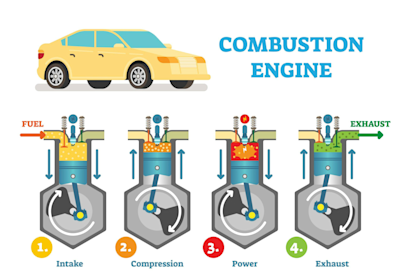
Spark plugs create a small electric spark inside the engine’s cylinder. This spark lights the air and fuel mixture. The explosion pushes the piston down, powering the engine.
Each spark plug must work perfectly to keep the engine running smoothly. Worn or dirty spark plugs can cause weak sparks or no spark at all.
Spark Plugs And Engine Ignition
The ignition system depends on spark plugs to start the engine. When you turn the key, the ignition coil sends a high voltage to the spark plugs.
The spark plugs then create sparks that ignite the fuel mixture. If spark plugs fail, the engine will not start or may run poorly.
Common Spark Plug Issues
Spark plugs play a key role in starting your car. Problems with them can stop your engine from firing. Knowing common spark plug issues helps you spot trouble early. This keeps your car running smoothly and avoids start-up problems.
Worn Or Fouled Spark Plugs
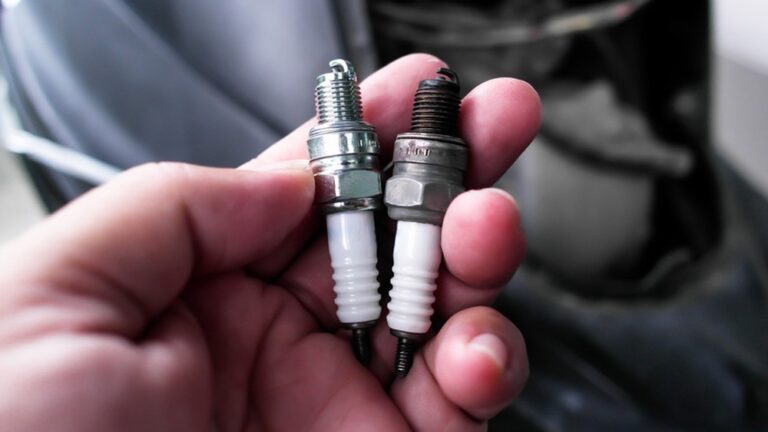
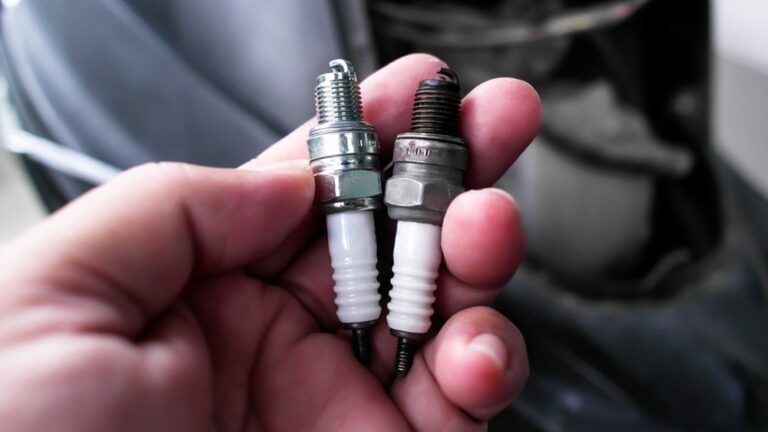
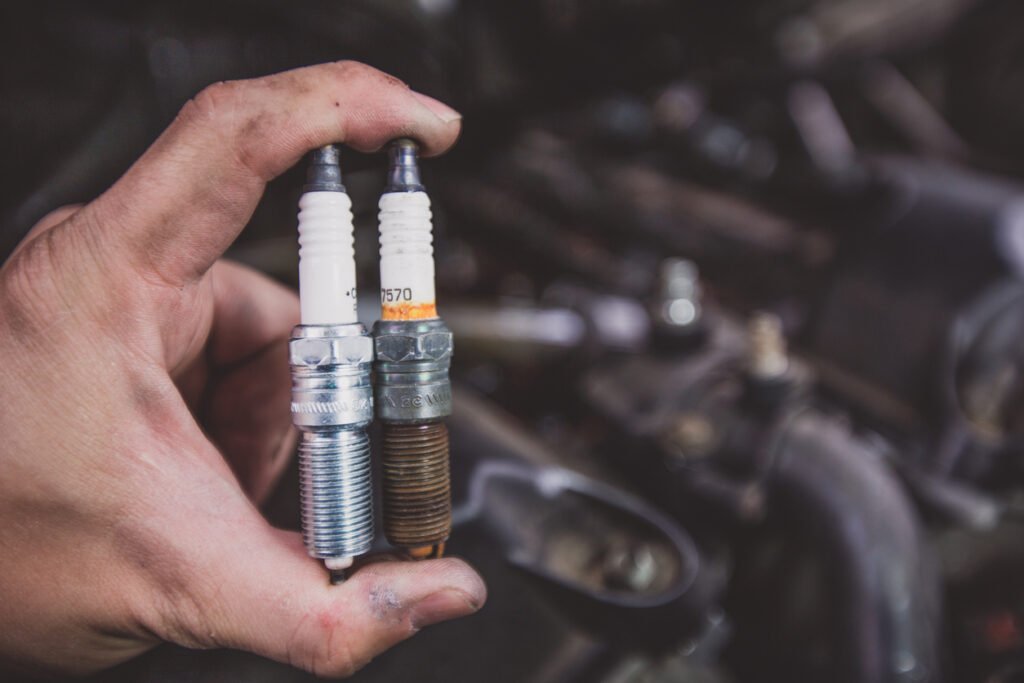
Worn spark plugs have eroded electrodes. This weakens the spark needed to ignite fuel. Fouled plugs get dirty from oil or carbon buildup. Both reduce spark quality and can cause your car not to start.
Incorrect Spark Plug Gap
The spark plug gap is the distance between electrodes. If the gap is too wide or narrow, the spark weakens. This leads to poor ignition and engine starting issues. Checking and setting the correct gap is important.
Damaged Spark Plug Wires
Spark plug wires carry electricity to the plugs. Cracked or broken wires disrupt this flow. The spark becomes weak or stops completely. Damaged wires can cause misfires and make the car hard to start.
Symptoms Of Faulty Spark Plugs
Faulty spark plugs can cause many car problems. They affect engine performance and fuel use. Knowing the symptoms helps you spot issues early. This saves time and money on repairs. Watch for these signs that your spark plugs may need attention.
Engine Misfires
One common sign is engine misfires. The engine may run rough or shake. You might hear unusual noises while driving. Misfires happen because spark plugs fail to ignite fuel properly. This causes a loss of power and uneven running.
Difficulty Starting
Faulty spark plugs often make starting hard. The engine may crank longer than usual. Sometimes it won’t start at all. Bad spark plugs reduce the spark needed to ignite fuel. This leads to slow or failed starts, especially in cold weather.
Poor Fuel Efficiency
Worn spark plugs cause poor fuel efficiency. The engine burns more fuel than needed. This happens because combustion is incomplete. You may notice more trips to the gas station. Replacing spark plugs can restore better mileage and save money.
Diagnosing Spark Plug Problems
Diagnosing spark plug problems is key to understanding why a car won’t start. Spark plugs help ignite the engine’s fuel. When they fail, the engine may struggle or stop working completely. Identifying issues early saves time and money on repairs. Simple checks can show if spark plugs cause the problem.
Visual Inspection Techniques
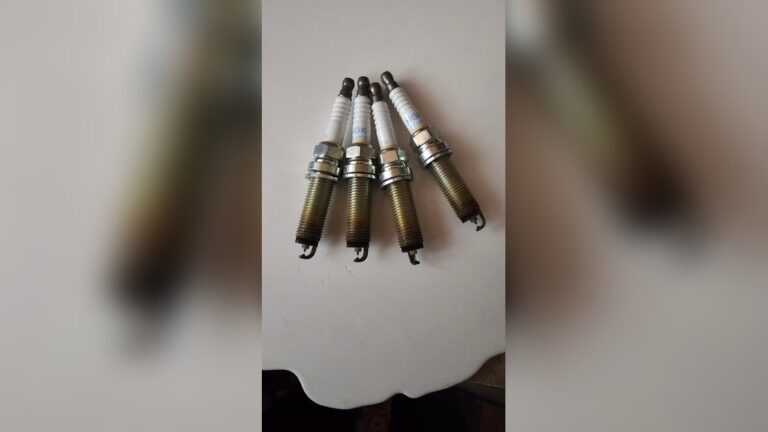
Start by removing the spark plugs carefully. Look for signs of wear or damage. Check for black soot, which means the plug is too dirty. A white or blistered plug shows overheating. Cracks or broken tips also signal trouble. Clean or replace damaged spark plugs to restore engine performance.
Using A Spark Tester
A spark tester checks if the spark plug produces a spark. Connect the tester to the spark plug wire. Crank the engine and watch the tester’s light or spark. A strong spark means the plug works. No spark or a weak spark indicates a faulty plug or ignition problem. This method is quick and easy for basic testing.
Professional Diagnostic Tools
Mechanics use advanced tools to test spark plugs and ignition systems. An oscilloscope shows spark patterns in real time. Diagnostic scanners read engine trouble codes linked to spark issues. These tools offer detailed information. They help find hidden problems that simple tests miss. Professional diagnosis ensures accurate repairs and better results.
Replacing Spark Plugs
Replacing spark plugs is a key part of car care. Old or worn spark plugs can stop your car from starting. Keeping them in good shape helps your engine run smooth and saves fuel. This section guides you through choosing, replacing, and maintaining spark plugs.
Choosing The Right Spark Plugs
Pick spark plugs that fit your car’s make and model. Check the owner’s manual for the exact type. Use plugs made from quality materials like copper or iridium. These last longer and perform better. Avoid cheap or wrong plugs; they can harm your engine.
Step-by-step Replacement Guide
First, let the engine cool down. Locate the spark plugs by following the ignition wires. Remove the wires carefully by pulling the boot, not the wire. Use a spark plug socket and ratchet to unscrew the old plugs. Check the gap on new plugs with a gap tool. Screw in new plugs by hand to avoid cross-threading. Tighten them with the socket, but do not over-tighten. Reattach the ignition wires firmly. Start the engine to test the new plugs.
Maintenance Tips
Check spark plugs every 30,000 miles or as your car manual says. Clean any dirt or oil around the plugs before removing. Replace plugs in sets, not one at a time. Keep ignition wires in good condition. Avoid driving with misfiring or rough engine sounds. Regular checks help prevent starting problems and improve fuel use.
Credit: www.carfax.com
Other Causes Of Starting Issues
Starting problems in cars can come from many places. Spark plugs are one reason, but there are other common causes. Understanding these can help you find the real issue faster. Here are some key areas to check.
Battery Problems
The battery provides the power to start your car. A weak or dead battery will stop the engine from turning over. Corroded battery terminals can block the flow of electricity. Old batteries lose their charge and need replacement. Testing the battery voltage can show if it is the problem.
Fuel System Issues
Your car needs fuel to start and run. A clogged fuel filter can block fuel flow. A faulty fuel pump may fail to deliver fuel to the engine. Running out of fuel is a simple but common cause. Check the fuel level and listen for the pump’s sound when you turn the key.
Starter Motor Faults
The starter motor turns the engine to start it. A worn or broken starter motor will not spin the engine. Loose or broken wiring to the starter can cause starting failure. Sometimes, the starter solenoid can fail to engage. Clicking sounds when trying to start can indicate starter issues.

Credit: www.reddit.com
Frequently Asked Questions
Can Faulty Spark Plugs Stop My Car From Starting?
Yes, faulty spark plugs can prevent your car from starting. They fail to ignite the fuel-air mixture, causing no engine spark. Replacing worn spark plugs often resolves starting issues and improves engine performance.
How Do Spark Plugs Affect Engine Starting?
Spark plugs create the spark needed to ignite the engine’s fuel. If they are dirty or damaged, the spark weakens or fails. This leads to difficulty starting or a no-start condition in your car.
How Often Should Spark Plugs Be Replaced?
Spark plugs should be replaced every 30,000 to 100,000 miles, depending on the type. Regular replacement ensures reliable starting and optimal engine performance, preventing no-start problems caused by worn plugs.
What Symptoms Indicate Spark Plug Problems?
Common symptoms include engine misfires, rough idling, poor fuel economy, and difficulty starting. If your car struggles to start, checking spark plugs is a good first step for diagnosis.
Conclusion
Spark plugs play a key role in starting your car’s engine. Worn or damaged plugs can stop the engine from firing. Regular checks help catch problems early. Clean and working spark plugs improve engine performance. They help your car start smoothly every time.
Don’t ignore signs like rough starts or poor fuel use. Simple maintenance saves time and money later. Keep your spark plugs in good shape for reliable starts. It’s a small part with a big impact.