
Have you ever found yourself staring at your motorcycle’s dead battery and wondered if you could simply use your car charger to bring it back to life? It’s a common question that many riders ask, especially when time is tight and a separate charger isn’t handy.
But is it safe? Will it actually work? Before you plug in that car charger, you need to know the facts to avoid damaging your battery or your bike’s electrical system. Keep reading, because understanding how to properly charge your motorcycle battery can save you money, hassle, and keep your ride ready to hit the road whenever you are.

Credit: www.walmart.com
Motorcycle Battery Basics
Understanding motorcycle battery basics helps to keep your bike running well. Batteries store energy to start the engine and power electrical parts. Knowing the types and specs helps in choosing the right charger and maintaining battery health.
Types Of Motorcycle Batteries
There are mainly three types of motorcycle batteries. Lead-acid batteries are common and affordable. They need regular maintenance like topping up water. AGM (Absorbed Glass Mat) batteries are sealed and maintenance-free. They offer better performance and last longer. Lithium-ion batteries are lightweight and have high energy density. They cost more but provide longer life and faster charging.
Battery Voltage And Capacity
Most motorcycle batteries have 12 volts, matching the bike’s electrical system. Capacity is measured in ampere-hours (Ah). It shows how much charge the battery holds. Higher capacity means longer power supply but larger size. Correct voltage and capacity ensure the battery fits and works well with the bike. Using the wrong charger can damage the battery or bike electronics.

Credit: www.reddit.com
Car Charger Features
Car chargers have specific features that affect their use for charging motorcycle batteries. Knowing these features helps you decide if a car charger suits your motorcycle’s battery. Safety and compatibility depend on these key characteristics.
Understanding these features prevents damage to the battery and charger. It also ensures efficient charging and longer battery life. Let’s explore the important features of car chargers below.
Voltage Output Of Car Chargers
Most car chargers deliver 12 volts, matching standard car batteries. Motorcycles often use 12-volt batteries too, but some models have 6 volts. Using the wrong voltage can harm the battery.
Check the charger’s voltage output before use. A 12-volt charger works for most motorcycles but verify your battery type first. Some chargers have adjustable voltage settings. This feature allows safe charging of different battery types.
Charging Modes And Safety Features
Car chargers include several charging modes like trickle, fast, or maintenance. Trickle mode slowly charges the battery, ideal for motorcycles. Fast mode charges quickly but can stress small batteries.
Safety features protect the battery and charger. Look for overcharge protection, short circuit prevention, and reverse polarity alerts. These features stop damage from incorrect connections or excessive charging.
Many chargers also have automatic shutoff. This feature stops charging once the battery is full. It prevents overheating and battery damage. Always choose a charger with these safety features for motorcycles.
Compatibility Between Chargers
Understanding the compatibility between motorcycle batteries and car chargers is essential before attempting to charge. Not all chargers fit every battery type. Using the wrong charger can cause damage or reduce battery life. Let’s explore the key factors that determine compatibility.
Voltage And Current Considerations
Motorcycle batteries usually run on 12 volts, similar to many car batteries. However, car chargers often supply higher current than motorcycle batteries need. Too much current can overheat the battery or cause damage. It is important to use a charger with the correct voltage and controlled current output. Chargers with adjustable settings work best for different battery sizes. Always check the charger’s specifications before use.
Connector Differences
Connectors on car chargers may not match motorcycle battery terminals. Car batteries often use larger clamps or terminals, while motorcycles may have smaller or differently shaped connectors. Using improper connectors can lead to poor contact or sparks. Some chargers include adapter cables for different battery types. If not, you might need to buy or make an adapter. Secure and correct connections ensure safe and effective charging.
Risks Of Using Car Chargers On Motorcycles
Using a car charger for a motorcycle battery might seem easy and cost-saving. But it carries risks that can harm your bike and your safety. Car chargers often deliver more power than motorcycle batteries need. This mismatch can cause serious problems. Understanding these risks helps you avoid damage and accidents.
Overcharging And Battery Damage
Car chargers can supply too much current for a motorcycle battery. This overcharging heats the battery and damages its cells. A damaged battery loses its ability to hold power. It also shortens the battery’s lifespan. Overcharging may cause the battery to swell or leak harmful acid. This damage is costly to fix and dangerous to handle.
Safety Hazards
Using the wrong charger increases safety risks. Overheating batteries may catch fire or explode. Sparks from incorrect connections can cause burns or start fires. Electric shocks are possible if the charger is not designed for motorcycles. These hazards put both the rider and the environment at risk. Always choose chargers made for your motorcycle’s battery type and size.
Safe Charging Practices
Charging a motorcycle battery safely is very important. Using the wrong charger or method can damage the battery or cause accidents. Knowing the right tools and steps helps keep your battery healthy and your bike ready to ride. Follow safe charging practices to avoid problems and extend battery life.
Recommended Chargers For Motorcycles
Choose chargers made for motorcycle batteries. These chargers provide the right voltage and current. Motorcycle batteries are smaller than car batteries. Car chargers often deliver too much power. This can overcharge and harm the battery.
Look for smart chargers with automatic shutoff. These stop charging once the battery is full. Trickle chargers are also good. They charge slowly and prevent overheating. Avoid using high-amperage car chargers on motorcycles.
Proper Charging Techniques
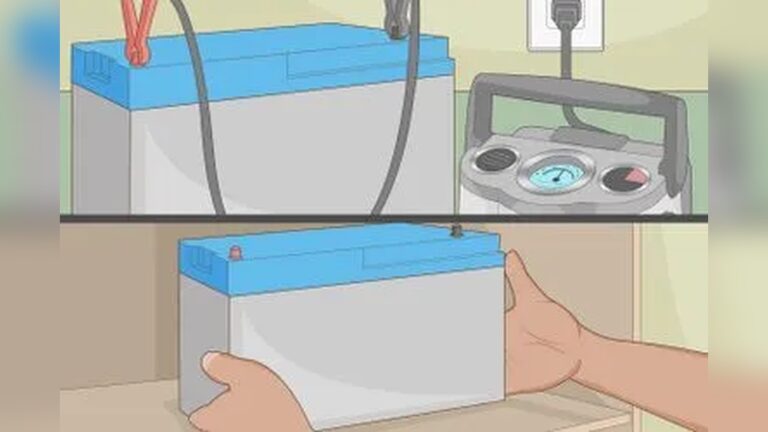
Always charge in a dry, well-ventilated area. Remove the battery from the motorcycle if possible. Clean the battery terminals before charging. Connect the charger clamps correctly: positive to positive, negative to negative.
Start charging with the lowest current setting. Check the battery and charger regularly during the process. Do not leave the battery unattended for long periods. Disconnect the charger once charging is complete. This prevents overcharging and damage.
Alternative Charging Options
Charging a motorcycle battery does not always require a car charger. Various alternative options are safe and effective. These options fit different needs and budgets. They help keep your motorcycle ready without hassle.
Portable Motorcycle Chargers
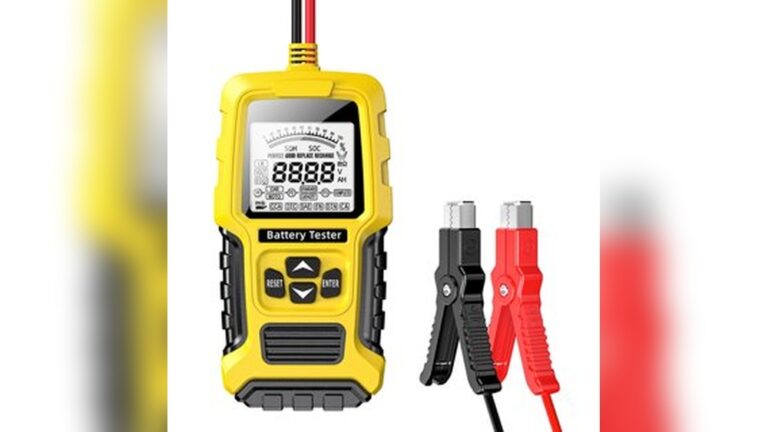
Portable motorcycle chargers are small and easy to carry. They connect directly to the motorcycle battery. These chargers deliver the right power level for bikes. Many models include safety features like automatic shutoff. This prevents overcharging and battery damage. Portable chargers work well for regular maintenance and emergencies.
Solar Chargers For Bikes
Solar chargers use sunlight to power the battery. They are eco-friendly and cost nothing after purchase. Solar panels are lightweight and simple to install on a bike. These chargers suit riders who travel in sunny areas. They provide a slow but steady charge over time. Solar chargers keep the battery healthy when the bike is parked outside.

Credit: www.reddit.com
Frequently Asked Questions
Can I Use A Car Charger For A Motorcycle Battery?
Yes, you can use a car charger, but ensure it matches the battery voltage. Use a charger with a lower amp setting to avoid overcharging the motorcycle battery. Always monitor the charging process to protect the battery’s lifespan.
What Are The Risks Of Using A Car Charger?
Using a car charger with incorrect voltage or amperage can damage the motorcycle battery. It may lead to overcharging, overheating, or battery failure. Always use a charger designed for motorcycle batteries or one with adjustable settings to reduce risks.
How Long Does Charging A Motorcycle Battery Take?
Charging time varies by battery size and charger type. Typically, it takes 4 to 12 hours with a car charger set at low amperage. Using a smart charger can optimize charging time and prevent overcharging.
Can A Car Charger Damage My Motorcycle Battery?
Yes, if the charger is not compatible or used improperly. Overcharging or supplying too much current can shorten battery life. Always use a charger with correct voltage and amperage settings for motorcycle batteries.
Conclusion
You can charge a motorcycle battery with a car charger, but be careful. Use the right settings and check the battery type first. Car chargers deliver more power and can damage small motorcycle batteries. Slow, steady charging works best to avoid problems.
Always follow safety steps to protect yourself and the battery. Taking time and care helps your motorcycle start strong every time.