
Have you ever wondered what happens if you keep driving with bad spark plugs? You might think a little trouble won’t hurt, but those tiny parts play a big role in your car’s performance.
Ignoring them can lead to more problems than you expect. You’ll discover how bad spark plugs affect your car and whether it’s safe to drive with them. Keep reading—you’ll learn what signs to watch for and what steps to take to protect your ride and your wallet.
What Spark Plugs Do
Spark plugs are small parts with a big job in your car’s engine. They start the engine by creating sparks. These sparks ignite the fuel and air mix inside the engine. This ignition powers the engine and makes your car run smoothly. Without spark plugs, your engine cannot work.
Role In Engine Performance
Spark plugs control the timing of the spark. This timing affects how well the engine burns fuel. Proper burning means better power and fuel efficiency. Good spark plugs help the engine start quickly. They keep the engine running smoothly and reduce emissions. Bad spark plugs can cause misfires and rough idling.
Signs Of Wear
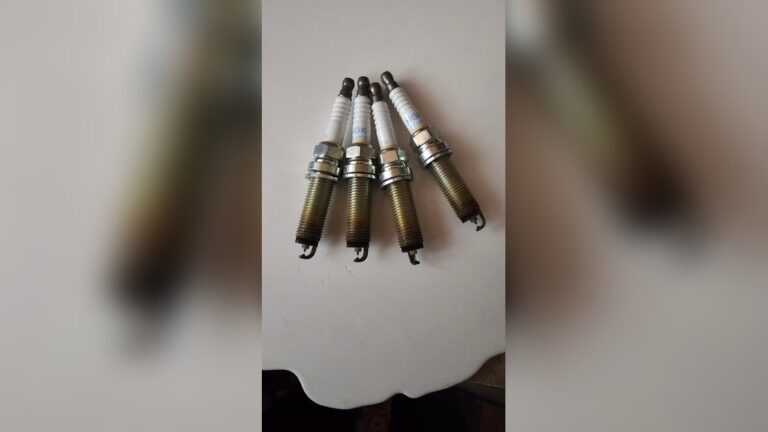
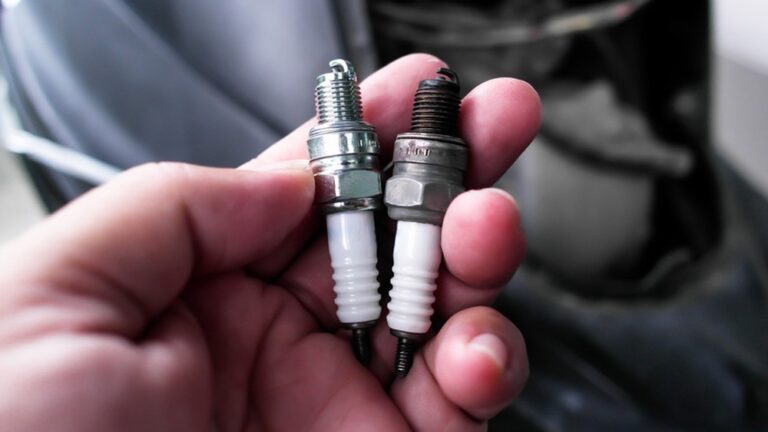
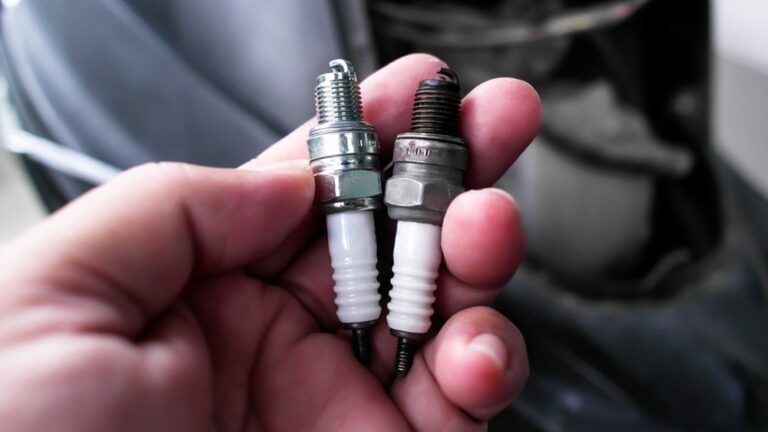
Worn spark plugs show clear signs. The engine may struggle to start or run unevenly. You might notice poor fuel economy or loss of power. The engine can make unusual noises or vibrate more. Black or white deposits on plugs signal wear. Regular checks help spot these problems early.

Credit: www.reddit.com
Effects Of Bad Spark Plugs
Bad spark plugs can cause several problems in your car’s engine. They affect how well your engine runs and can lead to more serious issues. Understanding these effects helps you know why spark plugs need regular care.
Engine Misfires
Bad spark plugs cause the engine to misfire. This means the engine skips some cycles. Misfires make the car shake and lose power. The engine sounds rough and runs unevenly. Misfires can damage other parts over time.
Reduced Fuel Efficiency
Worn spark plugs burn fuel less efficiently. Your car uses more gas to run the same distance. This wastes money and harms the environment. Good spark plugs help the engine burn fuel cleanly and fully. Poor plugs cause more fuel to be wasted.
Starting Problems
Bad spark plugs make it hard to start the car. The engine may crank but not start quickly. Sometimes it takes several tries to turn on. This is because the spark needed to ignite fuel is weak. Replacing spark plugs solves starting issues.
Risks Of Driving With Faulty Spark Plugs
Driving with faulty spark plugs can cause serious problems for your car. Spark plugs help ignite the fuel in the engine. When they fail, the engine does not run smoothly. This can lead to several risks. These risks affect your car’s performance and can cause costly repairs.
Damage To Catalytic Converter
Bad spark plugs cause incomplete fuel burning. This leads to unburned fuel reaching the catalytic converter. The converter then overheats and gets damaged. A damaged catalytic converter reduces your car’s efficiency. Repairing or replacing it can be expensive.
Increased Emissions
Faulty spark plugs cause the engine to run poorly. This increases harmful gas emissions from your car. Higher emissions are bad for the environment. They can also cause your car to fail emission tests. Keeping spark plugs in good condition lowers pollution.
Potential Engine Damage
Misfiring spark plugs put stress on the engine. This can cause overheating and wear on engine parts. Over time, this leads to serious engine damage. Engine repairs can be very costly and time-consuming. Regularly checking spark plugs helps avoid these problems.
When You Can Still Drive
Driving with bad spark plugs is not always impossible. There are moments when your car can still run safely. Knowing when you can drive helps avoid bigger problems. It also keeps you aware of your vehicle’s condition.
Mild Symptoms
Some spark plug issues show mild symptoms. The engine may misfire sometimes. You might notice rough idling or less power. The car may jerk when accelerating. These signs mean the spark plugs are weak but not fully bad. The car can still move without big risks. Watch the symptoms closely to avoid sudden breakdowns.
Short Distances Only
Driving with bad spark plugs should be limited to short trips. Use the car only for quick errands nearby. Avoid long drives or highway speeds. Short distances reduce the stress on the engine. This prevents the problem from getting worse fast. Plan to fix the spark plugs soon after these short drives.
When To Stop Driving
Knowing when to stop driving with bad spark plugs is crucial. Bad spark plugs can cause many engine problems. Some issues make driving unsafe or damage your car more. Watch for clear signs that it is time to stop immediately. Acting fast can save you money and keep you safe.
Severe Misfires
Severe misfires happen when spark plugs fail to ignite the fuel properly. This causes the engine to run rough or jerk suddenly. You may feel the car shaking or hear popping noises. Misfires waste fuel and increase emissions. Driving with severe misfires can damage the engine over time. Stop driving if misfires become frequent or strong.
Engine Stalling
Engine stalling is a dangerous sign of bad spark plugs. The engine may suddenly stop running while driving or idling. This can cause loss of power steering or brakes. Stalling makes driving unsafe and unpredictable. It can also harm the catalytic converter. Stop driving right away if your engine stalls often or without warning.
Replacing Spark Plugs
Replacing spark plugs is important for your car’s health. Bad spark plugs cause poor engine performance and lower fuel efficiency. Changing them helps your car run smoothly and saves money on fuel. Knowing how to replace spark plugs can prevent bigger problems.
Diy Vs Professional Service
Changing spark plugs yourself saves money. Basic tools and a guide can help. It takes time and care to avoid damage. Some cars have hard-to-reach plugs. This makes the job tricky for beginners.
Professional service is faster and safer. Mechanics have the right tools and experience. They check other parts too. This ensures your car works well after replacement. For difficult cases, professionals are a better choice.
Cost And Time
DIY spark plug replacement costs mainly the plugs and tools. Spark plugs usually cost between $10 and $20 each. Tools like a socket wrench set may be needed if you don’t have them. The job can take 30 minutes to 1 hour.
Professional replacement costs more. Labor charges can add $50 to $150. Total cost depends on car type and number of plugs. The mechanic usually finishes the job within an hour. This saves your time and effort.
Tips To Prevent Spark Plug Issues
Bad spark plugs can cause many car problems. They lower engine power and increase fuel use. Preventing spark plug issues is easy with simple steps. These tips help your car run smoothly and last longer.
Regular Maintenance
Check your spark plugs regularly. Follow the car maker’s schedule for inspections. Clean or replace spark plugs as needed. Regular checks stop small problems from growing. Keep your engine running strong and efficient.
Using Quality Parts
Choose good spark plugs made for your car. Cheap parts wear out fast and cause trouble. Quality spark plugs improve engine performance. They last longer and help save fuel. Always buy from trusted brands and sellers.

Credit: www.reddit.com

Credit: www.reddit.com
Frequently Asked Questions
Can You Drive With Bad Spark Plugs Safely?
Driving with bad spark plugs is possible but not safe. It causes poor engine performance and may lead to breakdowns. Replace spark plugs promptly to avoid damage and ensure smooth driving.
How Do Bad Spark Plugs Affect Car Performance?
Bad spark plugs cause misfires, rough idling, and reduced fuel efficiency. They make the engine struggle to start and lower acceleration. Fixing or replacing them improves overall vehicle performance.
What Are Signs Of Bad Spark Plugs In A Car?
Signs include engine misfires, rough idling, poor acceleration, and increased fuel consumption. You may also notice difficulty starting the car. Regular maintenance helps detect and fix spark plug issues early.
Can Bad Spark Plugs Damage The Engine?
Yes, bad spark plugs can cause engine damage over time. Misfires increase stress on engine components and catalytic converters. Timely replacement protects the engine and prevents costly repairs.
Conclusion
Driving with bad spark plugs can cause many problems. Your car may run rough or lose power. Fuel efficiency drops, and emissions rise. The engine might stall or fail to start. Ignoring spark plug issues can lead to costly repairs.
Regular checks and timely replacements keep your car healthy. Safe driving depends on a well-maintained engine. Don’t wait for trouble to get worse. Take care of spark plugs to enjoy smooth rides every time.