
Have you noticed strange noises or vibrations coming from your car’s wheels? You might be wondering, can you drive a car with bad wheel bearings?
This question is more important than you think because ignoring it could put your safety and your car’s health at serious risk. You’ll discover the signs of bad wheel bearings, what happens if you keep driving, and why fixing them sooner rather than later can save you money and stress.
Keep reading to protect yourself and your vehicle before it’s too late.
Signs Of Bad Wheel Bearings
Bad wheel bearings can cause serious problems while driving. They affect your car’s safety and performance. Recognizing the signs early helps prevent bigger damage. Here are common signs that show your wheel bearings might be bad.
Unusual Noises
Listen for humming or growling sounds from your wheels. These noises often get louder as you speed up. You may hear grinding or rumbling when turning corners. These sounds point to worn or damaged wheel bearings.
Vibration While Driving
Feel for shaking or vibration in the steering wheel. This happens when wheel bearings wear out. The vibration may increase with speed. It can also cause the whole car to shake slightly.
Uneven Tire Wear
Check your tires for uneven or rapid wear. Bad bearings cause wheels to wobble. This wobbling leads to uneven pressure on tires. Tires may wear more on one side than the other.
Steering Wheel Play
Notice if your steering feels loose or less responsive. Bad wheel bearings cause extra play in the steering. The wheel may feel wobbly or less steady. This makes controlling the car harder and unsafe.

Credit: www.youtube.com
Risks Of Driving With Bad Wheel Bearings
Driving with bad wheel bearings is risky. These small parts help wheels spin smoothly. When they fail, serious problems start. Understanding the risks can save you from accidents and costly repairs.
Safety Hazards
Bad wheel bearings can cause wheel wobbling. This makes steering hard and unsafe. The wheel may even lock or fall off while driving. Such failures can lead to crashes and injuries.
Damage To Other Components
Worn bearings put extra stress on brakes and tires. This causes uneven wear and tear. Suspension parts may also get damaged. The damage spreads, making your car unsafe to drive.
Increased Repair Costs
Ignoring bad bearings leads to bigger problems. Repairing damaged brakes, tires, and suspension costs more. Early replacement of wheel bearings saves money. Delaying repairs raises the total expense.
How Bad Wheel Bearings Affect Vehicle Performance
Bad wheel bearings cause many problems while driving. They can change the way your car feels and works. You might not notice the issues at first. But over time, the problems get worse and can be dangerous.
Understanding how bad wheel bearings affect your vehicle helps you act fast. It keeps your car safe and saves money on repairs. Here are some key ways bad wheel bearings impact your vehicle.
Impact On Handling
Worn wheel bearings make your car feel loose or wobbly. Steering might become less smooth. The car may pull to one side unexpectedly. This reduces control, making driving harder and less safe. Sharp turns and quick maneuvers become risky.
Effect On Fuel Efficiency
Bad wheel bearings increase friction inside the wheel hub. This forces the engine to work harder. The car uses more fuel than usual. Even small bearing issues can lower your miles per gallon. Fuel costs rise as your car struggles to roll smoothly.
Braking Issues
Damaged wheel bearings affect braking performance. The wheels may not spin freely or stay stable. This can cause uneven brake wear and longer stopping distances. Your car might shake or make noise when braking. Poor braking is a serious safety risk.
When To Replace Wheel Bearings
Knowing when to replace wheel bearings is important for safe driving. Wheel bearings help wheels spin smoothly. Worn bearings can cause noise and affect control.
Replacing them at the right time prevents bigger problems and costly repairs. Watch for signs and inspect your bearings regularly.
Inspection Frequency
Check wheel bearings every 12,000 miles or once a year. Inspect more often if you drive on rough roads. Regular checks catch issues early. Use a mechanic for thorough inspections.
Signs That Require Immediate Replacement
Listen for grinding or humming noises from the wheels. Feel for wheel wobble or uneven tire wear. Notice if the steering feels loose or shaky. These signs mean bearings may fail soon. Replace them right away to avoid accidents.
Cost Considerations
Wheel bearing replacement costs vary by car type and labor rates. Parts usually cost between $50 and $150. Labor can add $100 to $200. Early replacement saves money by preventing damage to other parts. Budget for this maintenance to keep your car safe.
Temporary Measures Before Repair
Driving with bad wheel bearings can be risky. Immediate repairs are best. Yet, sometimes you must drive before fixing them. Temporary measures help reduce damage and keep you safer on the road. These steps are simple but crucial. Follow them carefully to protect your vehicle and yourself.
Safe Driving Tips
Drive slowly and avoid high speeds. Speed increases strain on bad bearings. Use smooth and gentle braking. Sudden stops can worsen the problem. Keep a larger distance from other cars. This gives more time to react safely. Avoid sharp turns or quick lane changes. These actions put extra pressure on the wheels.
Avoiding Stress On Affected Wheels
Do not overload your car with heavy items. Extra weight increases wheel stress. Avoid rough or bumpy roads. Uneven surfaces can damage bearings more. Stay on smooth, flat roads as much as possible. Check tire pressure regularly. Proper pressure helps reduce bearing wear. These small actions help delay further damage until repair.

Credit: www.reddit.com
Preventing Wheel Bearing Problems
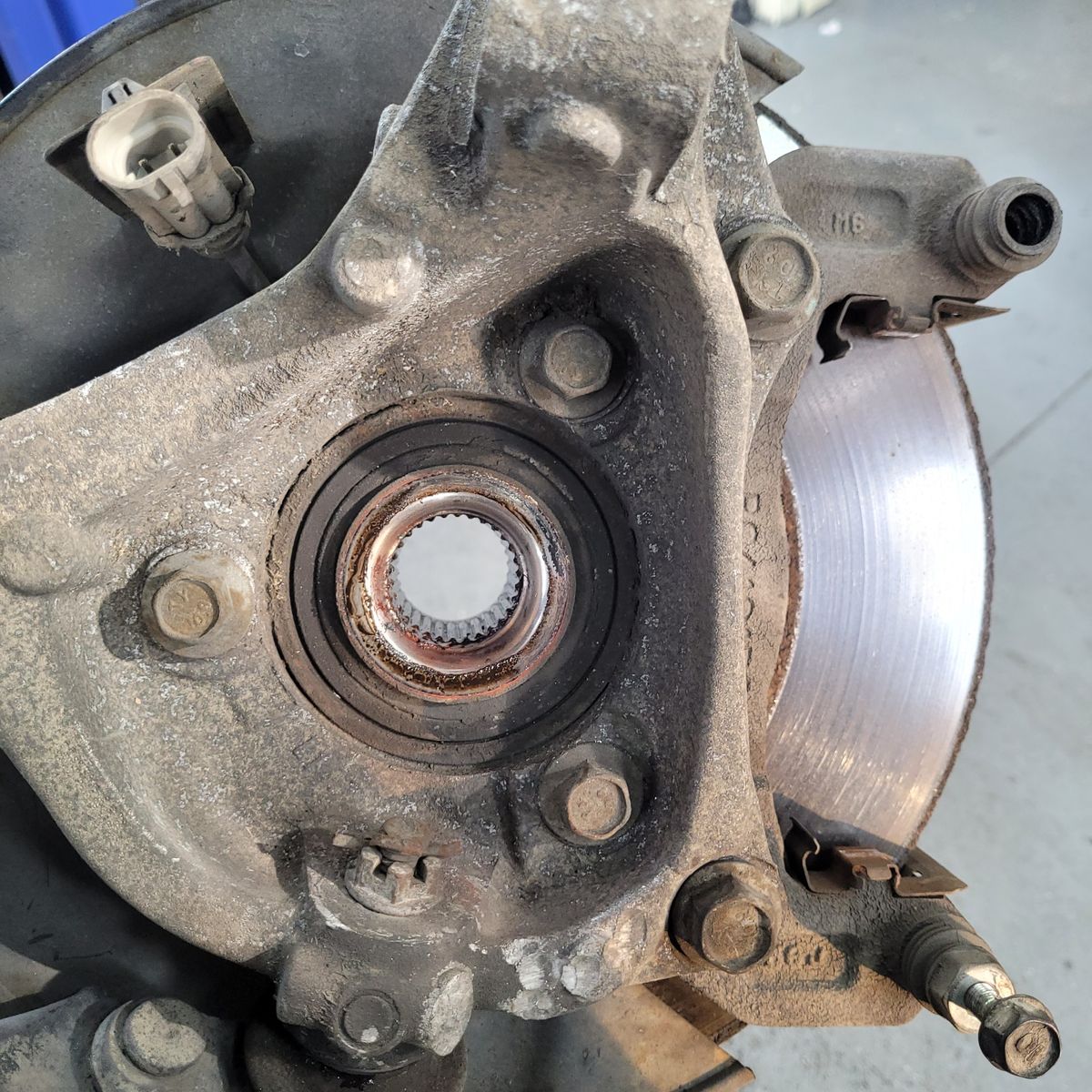
Preventing wheel bearing problems helps keep your car safe and running smoothly. Wheel bearings allow your wheels to turn with less friction. Over time, dirt, water, and wear can damage them. Catching issues early avoids costly repairs and unsafe driving conditions.
Regular Maintenance
Check wheel bearings during routine car service. Mechanics can spot wear or noise signs early. Clean and lubricate bearings to extend their life. Replace damaged bearings before serious problems occur. Regular inspections prevent unexpected breakdowns.
Proper Driving Habits
Drive carefully on rough or uneven roads. Avoid hitting curbs or potholes hard. Sudden shocks can damage wheel bearings quickly. Keep tire pressure at the right level. Proper tire care reduces stress on bearings. Smooth driving helps bearings last longer.
Credit: grimmermotors.co.nz
Frequently Asked Questions
Can You Drive With Bad Wheel Bearings Safely?
Driving with bad wheel bearings is unsafe. It causes noise, vibration, and poor handling. Immediate repair is recommended to avoid accidents or further damage.
What Are The Symptoms Of Bad Wheel Bearings?
Symptoms include grinding noise, wheel wobble, uneven tire wear, and vibration. Steering may feel loose, and braking performance can decline, indicating bearing issues.
How Long Can You Drive With Bad Wheel Bearings?
Driving with bad wheel bearings is risky and not advised. Damage can worsen quickly, leading to wheel failure. Repair or replace bearings as soon as possible.
Can Bad Wheel Bearings Cause Wheel Lock-up?
Yes, severely damaged wheel bearings can cause wheel lock-up. This happens when the bearing fails completely, risking loss of vehicle control and serious accidents.
Conclusion
Driving with bad wheel bearings risks your safety and damages your car. Strange noises or vibrations signal a problem you cannot ignore. Fixing wheel bearings early saves money and prevents bigger issues. Do not wait until the damage gets worse.
Check your car regularly to spot signs early. Safe driving depends on well-maintained parts. Taking care of wheel bearings keeps your ride smooth and secure. Always prioritize safety over convenience.