
Have you ever found yourself stuck with a dead car battery and only a pair of jumper cables at hand? You might wonder, “Can I fully charge my battery using just these cables?” It’s a common question that many drivers face when their car won’t start.
Understanding how jumper cables work and what they can—and can’t—do for your battery could save you time, money, and frustration. You’ll discover the truth about charging your car battery with jumper cables and learn the best steps to get back on the road quickly and safely.
Keep reading to find out what you really need to know before you reach for those cables.
Credit: www.rac.co.uk
How Jumper Cables Work
Jumper cables help start a car with a dead battery. They transfer power from a working battery to a dead one. Understanding how these cables work is key to using them safely and effectively.
Basic Functionality
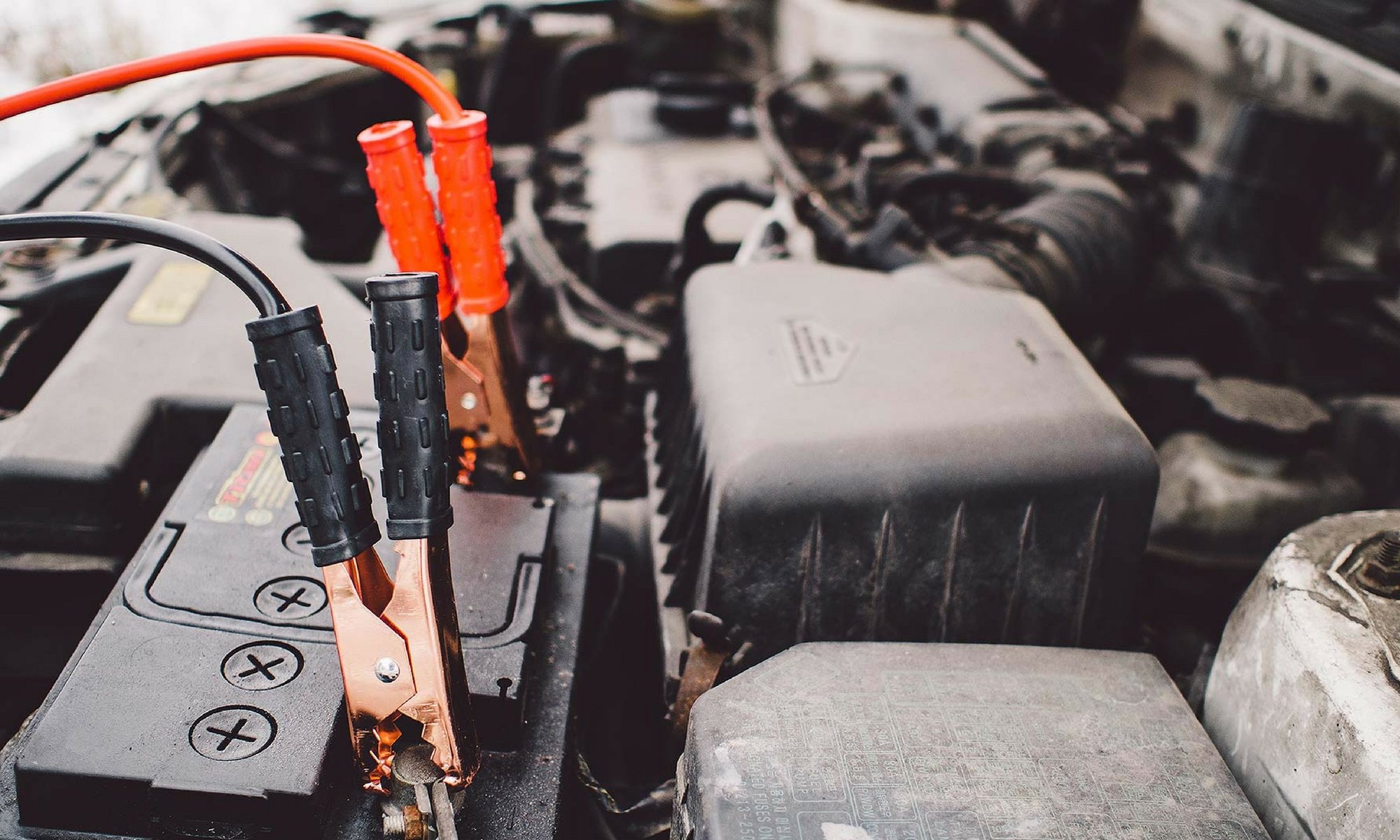
Jumper cables carry electrical current between two car batteries. They allow the dead battery to get enough power to start the engine. The cables are made of metal wires inside insulated covers. This design helps conduct electricity safely and prevents shocks or shorts.
When connected properly, the cables create a direct path for electricity. The working battery sends voltage to the dead battery. This boosts the dead battery’s charge, giving it enough energy for ignition.
Connection Process
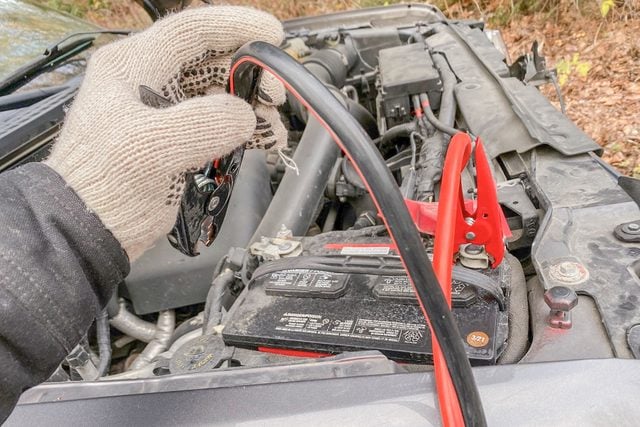
Connecting jumper cables requires following a specific order. First, attach the red cable clamp to the positive terminal of the dead battery. Then, connect the other red clamp to the positive terminal of the good battery.
Next, attach the black cable clamp to the negative terminal of the good battery. Finally, connect the other black clamp to a metal part of the dead car’s engine, away from the battery. This ground connection helps prevent sparks and ensures safety.
After all connections are secure, start the working car. Let it run for a few minutes to transfer power. Then, try starting the dead car. If successful, remove the cables in reverse order.
Credit: www.familyhandyman.com
Charging Vs Jump Starting
Charging a car battery and jump starting a car are two different actions. Many people confuse these terms. Understanding the difference helps to handle battery issues better. Jump starting gets your car running quickly. Charging takes more time and restores battery power fully.
Differences Explained
Jump starting uses jumper cables to connect to another battery. It sends a quick burst of power to start the engine. It does not add much charge to the battery itself. Charging uses a battery charger or alternator to slowly add power. This process can take several hours. Charging restores the battery’s full capacity for future use.
Why Jump Starting Is Temporary
Jump starting only provides enough power to start the car. The battery still needs a proper charge afterward. Without charging, the battery will soon lose power again. Jump starting does not fix the battery’s underlying issues. It is a quick fix, not a long-term solution. Charging rebuilds the battery’s strength for reliable performance.
Limitations Of Jumper Cables
Jumper cables are useful for starting a dead car battery. They provide a quick power boost from another vehicle. Despite their help, jumper cables have limits. They cannot fully charge a battery. Understanding these limits helps avoid frustration and damage.
Battery Capacity
Car batteries store electrical energy. Their size and condition affect charging speed. Jumper cables only deliver current for a short time. This brief charge cannot fill the battery completely. Large or old batteries need longer charging. Jump-starting only gives enough power to run the engine.
Electrical Flow Constraints
Jumper cables transfer electricity through metal wires. The wires have resistance. This resistance reduces the flow of electricity. A limited current reaches the dead battery. The donor car’s battery also restricts the power. Safety features in both cars limit how much current flows. These factors stop full charging through jumper cables alone.
Risks Of Relying On Jumper Cables
Relying on jumper cables to fully charge a car battery carries several risks. Jumper cables are meant for a quick boost, not a full recharge. Using them beyond their purpose can cause harm and safety issues. Understanding these risks helps you avoid damage and accidents.
Potential Battery Damage
Jumper cables deliver a sudden surge of power. This can harm the battery’s internal parts. Overcharging or rapid charging reduces battery life. It may cause leaks or swelling in the battery. Damaged batteries lose their ability to hold charge. Repeated use of jumper cables can worsen these effects.
Safety Concerns
Incorrect use of jumper cables can cause sparks or fires. Poor connections increase the chance of electric shock. Batteries can emit harmful gases during charging. These gases may ignite if exposed to sparks. Handling cables without care risks personal injury. Following safety steps is essential but not foolproof.
Effective Ways To Charge A Car Battery
Charging a car battery properly is important to keep your vehicle running. There are several effective ways to charge a battery safely and fully. Understanding these methods helps you choose the best option for your situation. Below are two common and reliable ways to charge a car battery.
Using A Battery Charger
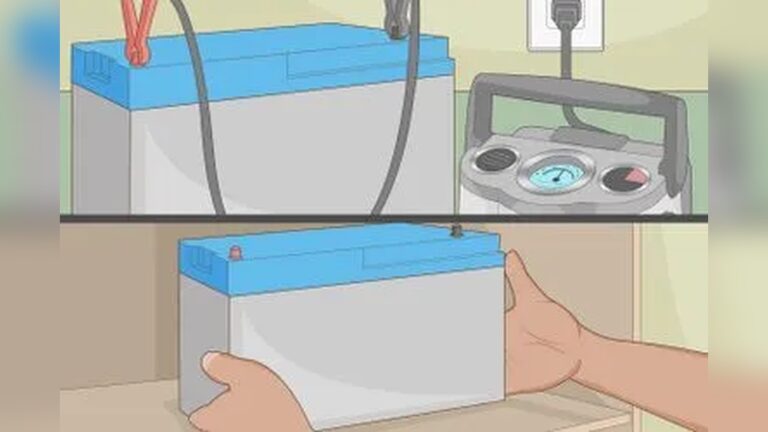
A battery charger is a simple tool designed to charge car batteries fully. Connect the charger clamps to the battery terminals—red to positive, black to negative. Set the charger to the correct voltage and charging mode. Leave it connected until the battery reaches full charge. Chargers provide a steady and controlled current. This method is safe and extends battery life. It works even if the car is off. Battery chargers come in different sizes and power levels.
Alternator Charging
The alternator charges the battery while the car runs. It converts engine power into electrical energy. This energy keeps the battery charged and powers the car’s electrical systems. Drive the car for at least 20 to 30 minutes to recharge the battery. This method is good for topping off the battery. It cannot fully charge a dead battery quickly. Running the engine at idle for long may not charge effectively. Alternator charging works best with a healthy battery.

Credit: chargerigs.com
Tips For Battery Maintenance
Maintaining a car battery properly extends its life and ensures reliable starts. Simple care steps prevent common battery problems. Good habits keep the battery healthy and ready for use.
Regular Inspections
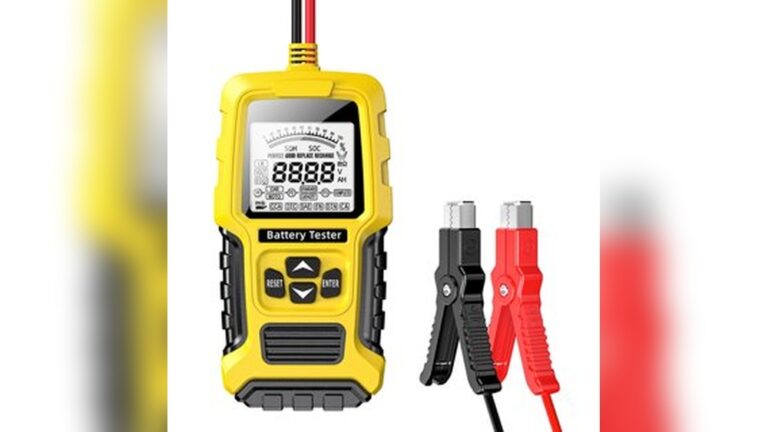
Check the battery often for dirt, corrosion, or leaks. Clean the terminals using a brush and a mix of baking soda and water. Tighten loose connections to avoid poor contact. Look for cracks or bulges on the battery case. Replace the battery if any damage appears. Testing battery voltage monthly helps track its condition.
Proper Storage
Store the battery in a cool, dry place during long periods of non-use. Avoid extreme heat or freezing temperatures, which can harm the battery. Keep the battery fully charged before storage to prevent sulfation. Use a trickle charger if the battery stays unused for weeks. Remove the battery safely from the vehicle if storing for months.
Frequently Asked Questions
Can Jumper Cables Fully Charge A Car Battery?
No, jumper cables cannot fully charge a car battery. They provide a temporary boost to start the engine. To fully charge, use a battery charger or drive the car for an extended period.
How Long Do Jumper Cables Take To Charge A Battery?
Jumper cables do not charge a battery. They only transfer power from another battery to start the car. Charging requires a battery charger or driving for at least 30 minutes.
Can Jumper Cables Damage My Car Battery?
Improper use of jumper cables can damage your battery or electrical system. Always connect cables correctly and avoid sparks or reversing the connection to prevent harm.
Is It Safe To Leave Jumper Cables Connected For Charging?
No, leaving jumper cables connected for charging is unsafe. They are designed for starting, not charging. Use a proper battery charger for safe and effective charging.
Conclusion
Jumper cables can help start a dead car battery fast. They transfer power from a good battery to a dead one. But they do not fully charge the battery. A full charge needs a proper charger or driving the car for a while.
Using jumper cables often is not a good idea. It can damage the battery or electrical system. Always check your battery health and charging method. Keep jumper cables handy for emergencies only. This way, your car stays reliable and ready to go.