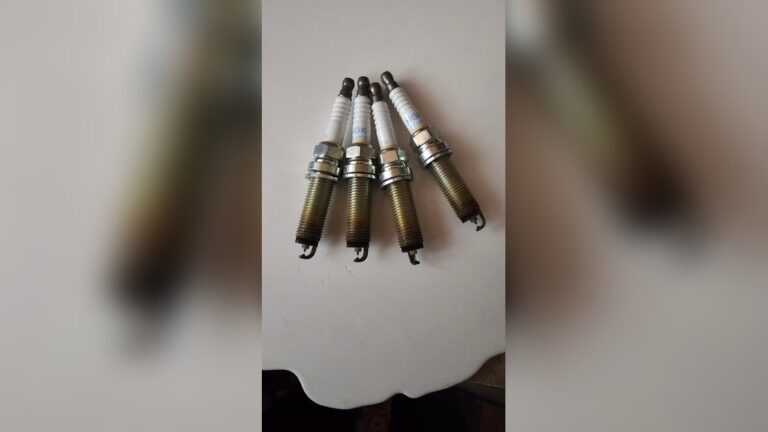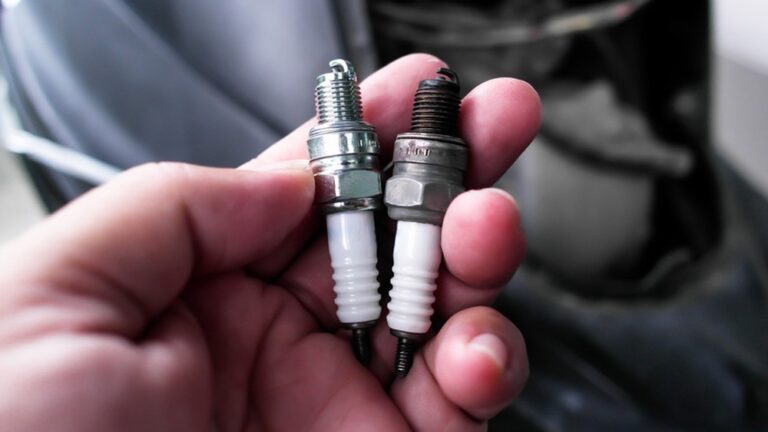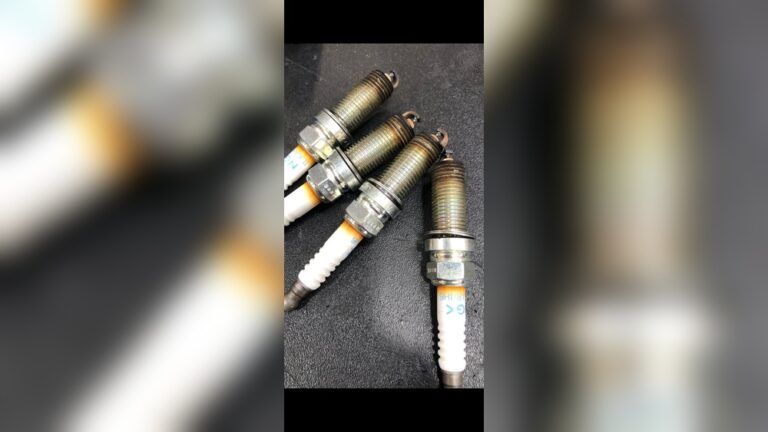

Have you ever wondered if all cars use the same spark plugs? It might seem like a small detail, but choosing the right spark plug can make a big difference in your car’s performance.
Using the wrong one could lead to engine problems, lower fuel efficiency, or even damage over time. You’ll discover why not all spark plugs are created equal and how to find the perfect fit for your vehicle. Keep reading—your car will thank you.
Spark Plug Basics
Spark plugs are small but vital parts of a car’s engine. They help start the engine and keep it running smoothly. Understanding spark plugs helps you know why not all cars use the same type. This section explains the basics of spark plugs.
What Spark Plugs Do
Spark plugs create a small spark inside the engine’s cylinders. This spark ignites the fuel and air mix. The explosion pushes the piston, making the engine work. Without spark plugs, the engine cannot start or run well. They also help control engine power and fuel efficiency.
Common Spark Plug Types
Cars use different spark plugs based on engine design. The main types are copper, platinum, and iridium. Copper plugs are cheaper but wear out faster. Platinum plugs last longer and offer better performance. Iridium plugs are the most durable and provide strong sparks. Choosing the right type helps the engine run better and last longer.
Credit: carzfuture.com
Factors Influencing Spark Plug Choice
Choosing the right spark plug is not a one-size-fits-all task. Several factors affect which spark plug fits best for a car. These factors depend on the engine, the type of fuel, and how the car is used. Understanding these helps pick the right spark plug for better car performance.
Engine Design Variations
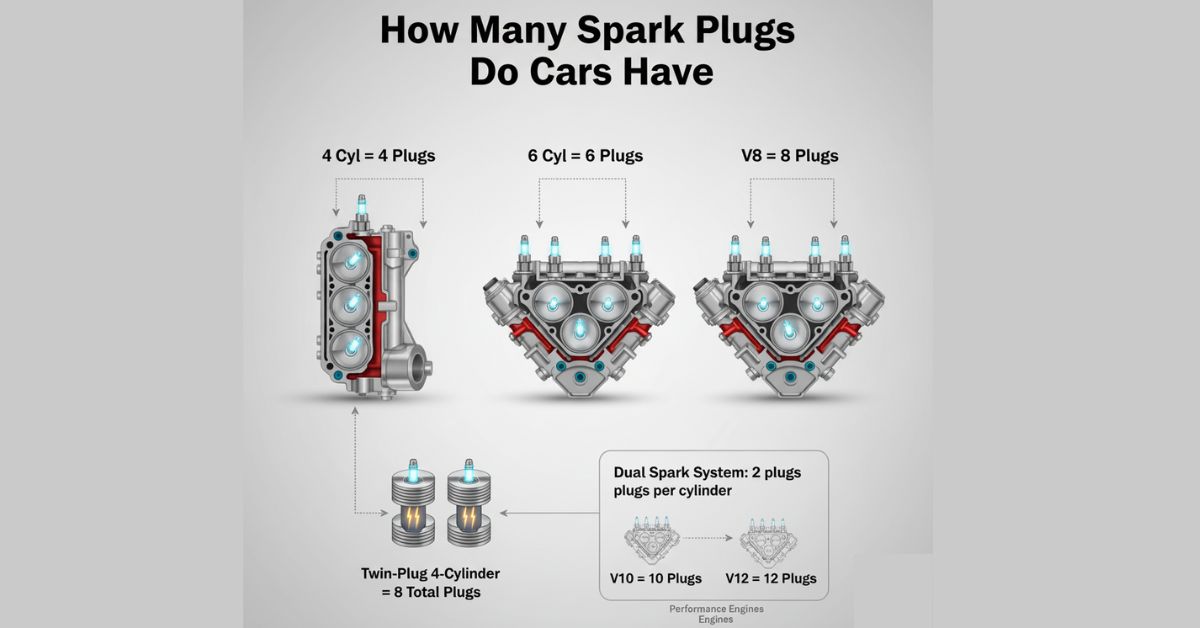
Engines differ in size, shape, and how they work. Some have more cylinders or different combustion chambers. These differences need specific spark plugs. For example, some engines need spark plugs that can handle high heat. Others need plugs with certain thread sizes or reach lengths. Matching the spark plug to the engine design is important for proper function.
Fuel Type Impact
Cars run on different fuels like gasoline, diesel, or alternative fuels. Each fuel type burns differently inside the engine. This affects the spark plug’s heat range and material choice. Gasoline engines often use spark plugs made for quick ignition. Diesel engines usually do not use spark plugs but glow plugs instead. Using the right spark plug for the fuel type improves efficiency and reduces wear.
Performance Needs
Some drivers want more power or better fuel economy. Others focus on smooth engine running or lower emissions. Performance needs influence spark plug choice. High-performance cars might need spark plugs with special materials like iridium or platinum. These last longer and give stronger sparks. Regular cars often use standard plugs that work well for daily driving. Matching plugs to performance goals keeps the engine healthy and efficient.
Different Spark Plug Materials
Spark plugs come in different materials. Each type affects performance and lifespan. Choosing the right material helps your engine run well. It also saves money on repairs. Let’s explore the common spark plug materials used in cars.
Copper Plugs
Copper plugs have a solid copper core. They conduct heat very well. This helps keep the spark plug cool. Copper plugs are the most affordable option. They work best in older engines. But they wear out faster than others. Usually, they last about 20,000 miles.
Platinum Plugs
Platinum plugs have a thin platinum layer on the electrode. This layer lasts longer than copper. They resist wear and corrosion. Platinum plugs improve fuel efficiency slightly. They fit many modern vehicles. Their lifespan is around 60,000 miles. They cost more than copper plugs.
Iridium Plugs
Iridium plugs use a very hard metal for the electrode. Iridium is stronger and lasts longer. These plugs give a stable spark for better ignition. They improve engine performance and reduce emissions. Iridium plugs can last up to 100,000 miles. They are the most expensive type available.

Credit: www.reddit.com
Size And Heat Range Differences
Spark plugs come in many sizes and heat ranges. These differences matter for your car’s engine. Using the wrong spark plug can cause poor performance or damage. Understanding size and heat range helps you choose the right spark plug.
Thread Size And Reach
Thread size means the diameter and pitch of the spark plug’s threads. It must match the engine’s cylinder head. A wrong thread size will not fit or may damage the engine.
Reach is the length of the threaded part that screws into the engine. It must be correct to reach the combustion chamber. Too short or too long reach can cause engine problems.
Heat Range Explained
Heat range shows how hot the spark plug tip gets during use. It depends on the plug’s ability to transfer heat to the engine.
A colder heat range means the plug stays cooler. A hotter heat range means the plug gets hotter. The right heat range prevents fouling or overheating.
Engines with high performance or high temperature usually need colder plugs. Normal engines often use hotter plugs. Choosing the right heat range keeps the engine running well.
Effects Of Using Wrong Spark Plugs
Using the wrong spark plugs in your car can cause several problems. Spark plugs are designed to work with specific engines. If the wrong type is used, the engine may not run smoothly or efficiently. This can lead to poor performance and costly repairs.
Engine Misfires
Wrong spark plugs can cause engine misfires. Misfires happen when the fuel does not ignite properly. This makes the engine run rough or stall. It can also increase pollution and damage other parts of the engine.
Reduced Fuel Efficiency
Using incorrect spark plugs can lower fuel efficiency. The engine burns more fuel to try to run well. This means you spend more money on gas. Your car will also produce more harmful emissions.
Potential Engine Damage
Wrong spark plugs can cause serious engine damage. They may create extra heat or poor combustion. This can harm the pistons, valves, and cylinders. Repairing this damage can be very expensive and time-consuming.
How To Choose The Right Spark Plug
Choosing the right spark plug is key for your car’s engine performance. The correct spark plug keeps the engine running smoothly and saves fuel. Picking the wrong type can cause engine trouble and waste money. Follow these tips to select the best spark plug for your vehicle.
Consulting Manufacturer Specs
Check your car’s manual for spark plug details. Manufacturers list the exact type and size needed. Use the recommended heat range and thread size. This ensures proper fit and function. Avoid guessing or using random spark plugs.
Considering Driving Conditions
Think about where and how you drive. Hot climates may need cooler plugs to prevent overheating. Cold areas might require plugs that heat up quickly. Heavy loads or frequent short trips also affect plug choice. Match the spark plug to your driving style.
When To Upgrade Spark Plugs
Replace spark plugs if the engine misfires or idles rough. Old plugs cause poor fuel economy and low power. Upgrade to better plugs for improved performance. Check plugs every 30,000 miles or as your manual says. Timely changes protect your engine.
Maintenance And Replacement Tips
Maintaining spark plugs is key to keeping your car running smoothly. Old or damaged spark plugs can cause engine problems and reduce fuel efficiency. Knowing how to spot worn spark plugs and replace them properly can save money and time. Follow these tips to keep your spark plugs in good shape.
Signs Of Worn Spark Plugs
Look for rough idling or engine misfires. Your car may struggle to start or have poor acceleration. Increased fuel consumption is another warning sign. If your engine feels less powerful, the spark plugs might be worn out. Check for unusual noises or vibrations during driving.
Proper Installation Practices
Always use the correct spark plug type for your car. Clean the spark plug hole before installation to avoid damage. Tighten spark plugs to the manufacturer’s recommended torque. Avoid over-tightening, which can crack the plug or damage the engine. Use a spark plug socket and ratchet for best results.
Recommended Replacement Intervals
Check your owner’s manual for specific intervals. Most spark plugs need changing every 30,000 to 100,000 miles. Some modern plugs last longer but still require regular inspection. Replace spark plugs sooner if you notice engine issues. Regular replacement helps maintain engine performance and fuel economy.
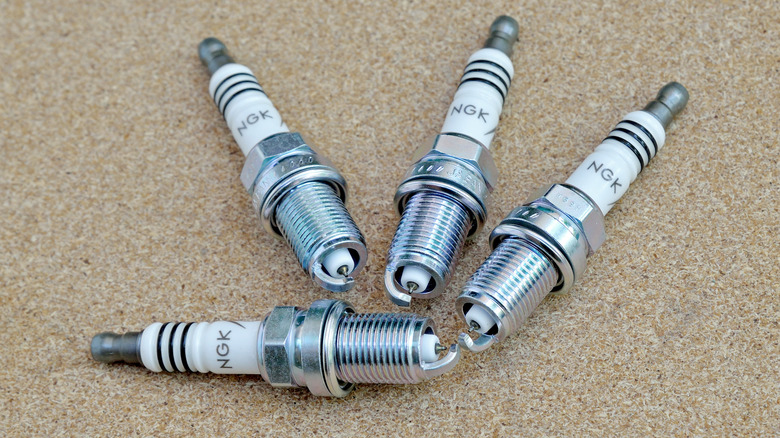
Credit: www.jalopnik.com
Frequently Asked Questions
Do All Cars Use Identical Spark Plugs?
No, cars do not use identical spark plugs. Different engines require specific spark plug types based on size, heat range, and design. Using the correct spark plug ensures optimal engine performance and fuel efficiency.
Why Do Spark Plugs Differ Between Car Models?
Spark plugs differ due to variations in engine design, combustion chamber size, and operating conditions. Manufacturers recommend specific plugs to match these factors for better ignition and reduced wear.
Can I Replace Spark Plugs With Any Brand?
You can choose any brand if it meets your car’s specifications. Always check the vehicle manual for spark plug size, heat range, and type before purchasing.
How Often Should Spark Plugs Be Replaced?
Typically, spark plugs should be replaced every 30,000 to 100,000 miles. Replacement intervals depend on plug type, engine condition, and driving habits.
Conclusion
Not all cars use the same spark plugs. Different engines need specific types for best performance. Choosing the right spark plug helps your car run smoothly. It also saves fuel and prevents engine problems. Always check your car manual or ask a mechanic.
Using the wrong spark plug can cause damage or poor engine function. Remember, a small part like a spark plug makes a big difference. Keep your car healthy by picking the right spark plugs every time. Simple care leads to longer engine life and better driving.