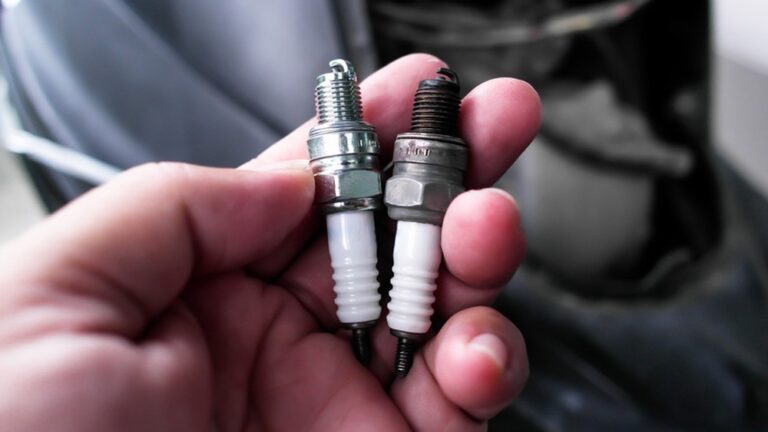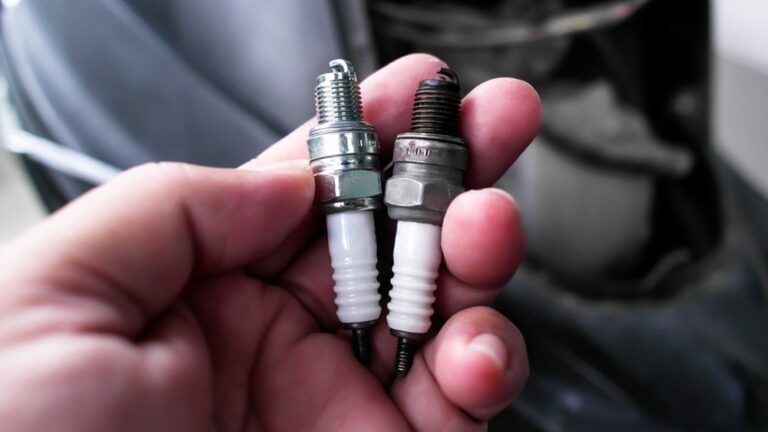

Have you ever wondered what makes your car’s engine come to life every time you turn the key? One small but powerful part plays a huge role in this process—spark plugs.
If you’re curious about whether your car has spark plugs and why they matter, you’re in the right place. Understanding this simple component can help you keep your car running smoothly and avoid costly repairs. Stick with me, and you’ll discover everything you need to know about spark plugs and how they keep your engine firing strong.

Credit: www.cuttergmc.com
Role Of Spark Plugs
Spark plugs play an important role in a car’s engine. They help start the engine and keep it running smoothly. Without spark plugs, the engine cannot work properly.
They create a small spark that lights the fuel inside the engine. This spark is very strong and happens at the right time to make the car move.
Ignition Process
The ignition process begins when the spark plug creates a spark. This spark lights the air and fuel mix inside the engine’s cylinder. The spark must be quick and strong. It helps start the engine and keeps it running.
Each spark happens many times per second. This constant sparking keeps the engine alive. Without it, the car will stop running.
Combustion Support
Spark plugs support combustion, which is the burning of fuel. This burning creates power to move the car. The spark plug’s spark causes this burning to start at the right moment.
Good combustion means better engine performance. Spark plugs help use fuel efficiently. This saves energy and reduces pollution.
Types Of Engines
Cars have different types of engines. Each engine works in its own way. Knowing the engine type helps understand if a car has spark plugs.
Engines mainly fall into three groups: gasoline, diesel, and electric. Each uses different parts to run.
Gasoline Engines
Gasoline engines use spark plugs to start the fuel combustion. The spark plug creates a small spark. This spark lights the fuel-air mix inside the engine. Without spark plugs, the engine would not run. Most cars with gasoline engines have spark plugs.
Diesel Engines
Diesel engines work differently from gasoline engines. They do not use spark plugs. Diesel engines ignite fuel by compressing air until it gets very hot. The hot air then lights the diesel fuel. This process is called compression ignition. Diesel engines use glow plugs, not spark plugs, to help start in cold weather.
Electric Vehicles
Electric vehicles do not have traditional engines. They run on electric motors powered by batteries. Electric motors do not need spark plugs or fuel. They use electricity to create motion. This makes electric vehicles very different from gasoline and diesel cars.
Spark Plug Components
Spark plugs are small but vital parts of a car’s engine. They help start the engine by creating sparks to ignite the fuel. Each spark plug has several key components. These parts work together to ensure the engine runs smoothly and efficiently.
Electrode Design
The electrode is the part that creates the spark. It has a center and a ground electrode. The gap between them affects the spark size. A smaller gap needs less voltage but may cause weak sparks. A larger gap gives stronger sparks but needs more voltage. Electrode shapes vary to improve spark strength and durability.
Insulator Material
The insulator surrounds the center electrode. It keeps the spark from jumping to the metal shell. Usually, the insulator is made of ceramic. Ceramic resists heat and electricity well. It also helps cool the spark plug. A good insulator prevents engine misfires and helps the spark plug last longer.
Heat Range
Heat range shows how hot the spark plug gets during use. A “hot” plug heats up quickly and stays hot. A “cold” plug stays cooler during operation. Choosing the right heat range prevents damage. Too hot can cause the plug to burn out. Too cold can cause carbon buildup. Proper heat range keeps the engine running clean and strong.
Credit: www.jalopnik.com
Signs Of Spark Plug Issues
Spark plugs are small but vital parts of a car’s engine. They help start the engine and keep it running smoothly. When spark plugs have problems, your car shows clear signs. Spotting these signs early can save you from bigger repairs and keep your car healthy.
Engine Misfires
Engine misfires happen when spark plugs fail to ignite the fuel properly. Your car may feel shaky or rough while running. The engine might lose power or hesitate during acceleration. These issues signal that spark plugs may need checking or replacing.
Poor Fuel Economy
Worn or dirty spark plugs cause poor fuel economy. The engine burns more fuel to compensate for weak sparks. You may notice your car uses more gas than usual. Fixing spark plugs can improve mileage and save money on fuel.
Starting Problems
Bad spark plugs can make your car hard to start. You might hear repeated clicks or the engine may not start at all. This happens because the spark plugs cannot create a strong spark. Replacing them often solves starting problems quickly.
Maintenance Tips
Maintaining spark plugs is key to keeping your car running smoothly. Proper care helps the engine start fast and run well. Regular checks prevent bigger problems and save money on repairs.
Replacement Intervals
Most spark plugs need replacement every 30,000 to 50,000 miles. Check your car’s manual for exact timing. Some newer spark plugs last up to 100,000 miles. Replace them sooner if you notice engine trouble or rough idling.
Inspection Methods
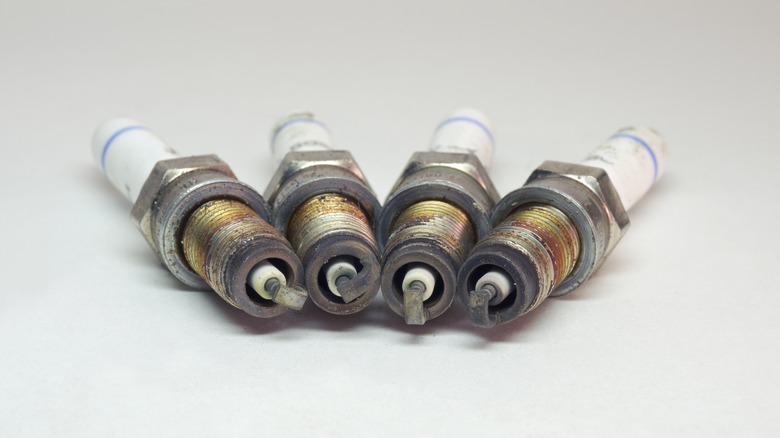
Remove spark plugs carefully to inspect them. Look for worn electrodes or heavy deposits. A light tan color on the plug is normal. Black, oily, or burnt plugs show issues. Use a gap gauge to check the gap size. Adjust if it does not meet the specifications.
Cleaning Techniques
Clean spark plugs with a wire brush or spark plug cleaner. Avoid harsh chemicals that can damage the plug. Remove dirt and carbon deposits gently. Dry plugs fully before reinstalling. Clean plugs improve engine performance and fuel efficiency.
Alternatives To Spark Plugs
Spark plugs are common in many cars to ignite the fuel-air mixture. Yet, some engines use different parts to start combustion. These alternatives improve engine efficiency and performance. They also suit different engine types and fuels.
Coil-on-plug Systems
Coil-on-plug systems replace traditional spark plugs and wires. Each spark plug has its own ignition coil. This design sends a strong spark directly to the plug. It reduces energy loss and improves ignition timing. Engines run smoother and use less fuel. This system is common in modern gasoline engines.
Glow Plugs In Diesel Engines
Diesel engines do not use spark plugs. They rely on glow plugs to start the engine. Glow plugs heat the air inside the cylinder. Hot air helps ignite the diesel fuel. This process is important in cold weather. Glow plugs make starting easier and faster. They work only during engine start-up and then turn off.

Credit: gomechanic.in
Frequently Asked Questions
Do All Cars Use Spark Plugs?
Most gasoline cars use spark plugs to ignite fuel-air mixture. However, diesel engines do not use spark plugs. Instead, they rely on compression ignition. Electric cars also do not require spark plugs as they operate differently.
How Often Should Spark Plugs Be Replaced?
Spark plugs typically need replacement every 30,000 to 100,000 miles. Check your vehicle’s manual for specific intervals. Worn spark plugs cause poor engine performance and reduced fuel efficiency. Regular maintenance ensures smooth engine operation.
What Happens If A Car Lacks Spark Plugs?
Without spark plugs, gasoline engines cannot ignite the fuel-air mixture. This means the engine won’t start or run properly. Spark plugs are essential for combustion in most internal combustion engines.
Can Spark Plugs Affect Fuel Efficiency?
Yes, faulty or worn spark plugs reduce fuel efficiency. They cause incomplete combustion, leading to wasted fuel. Replacing spark plugs improves engine performance and saves fuel.
Conclusion
Cars need spark plugs to start and run properly. These small parts create sparks that ignite the fuel in the engine. Without spark plugs, many cars would not work. Regular checks help keep them in good shape. Worn spark plugs can cause engine problems and lower fuel efficiency.
Knowing about spark plugs helps you understand how your car works. Keep them clean and replace them when needed. This simple part plays a big role in your car’s performance and reliability.