
Have you ever wondered if your car really needs a specific oil filter? Choosing the right oil filter might seem simple, but it can make a big difference in how well your engine runs.
Using the wrong filter could cost you more than just money—it could harm your car’s performance and lifespan. You’ll discover why picking the right oil filter matters and how it affects your vehicle. Keep reading to learn what you need to know to protect your car and save yourself from costly mistakes.
Credit: www.apexautogarage.com
Why Oil Filters Matter
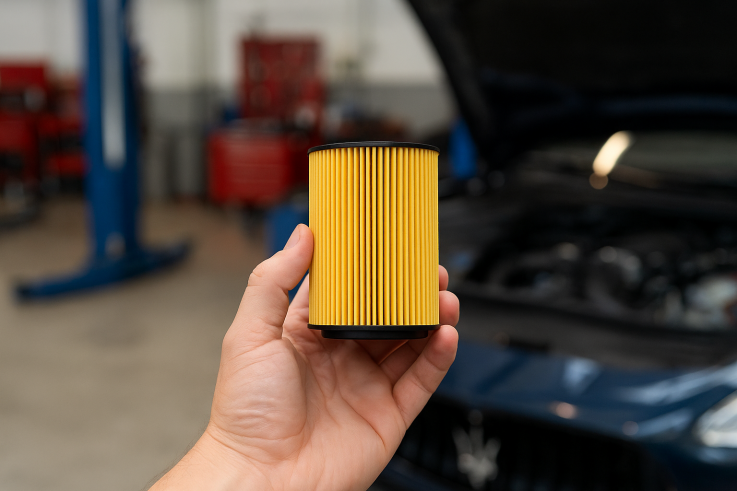
Oil filters play a crucial role in keeping your car’s engine running smoothly. They clean the oil by removing dirt, metal particles, and other contaminants. Clean oil helps reduce engine wear and improves performance. Using the right oil filter protects your engine and extends its life.
Role Of Oil Filters In Engine Health
The oil filter traps harmful particles in the engine oil. This prevents damage to engine parts like pistons and bearings. Clean oil flows freely, lubricating the engine well. Proper filtration helps maintain engine temperature and reduces friction. It supports better fuel efficiency and lowers emissions.
Consequences Of Using The Wrong Filter
Using an incorrect oil filter can cause serious problems. It may not fit properly or filter the oil effectively. Dirty oil can circulate inside the engine, causing damage. The wrong filter might leak, leading to oil loss. This can cause engine overheating and failure. Always choose the filter designed for your car model.
Types Of Oil Filters
Oil filters keep your engine clean by removing dirt and metal particles. Different types of oil filters suit different cars and driving styles. Choosing the right filter helps your engine last longer and run better.
Understanding the main types of oil filters makes it easier to pick the best one for your vehicle.
Conventional Oil Filters
Conventional oil filters are the most common and affordable. They use cellulose fibers to trap dirt and debris. These filters work well for everyday driving and standard oil changes. They need to be replaced more often than other types.
Synthetic Oil Filters
Synthetic oil filters use advanced materials that trap smaller particles. They last longer than conventional filters. These filters perform well in extreme temperatures and heavy traffic. They suit cars using synthetic oil or extended oil change intervals.
High-performance Filters
High-performance filters are designed for sports cars and heavy-duty vehicles. They offer better filtration and higher flow rates. These filters protect engines during hard driving and racing conditions. They often cost more but improve engine performance and protection.
How To Choose The Right Oil Filter
Choosing the right oil filter is important for your car’s health. A good oil filter keeps the engine clean and running well. Picking the wrong filter can cause problems. Follow simple steps to find the correct one for your vehicle.
Checking Vehicle Manufacturer Recommendations
Start by checking your car’s manual. The manufacturer lists the best oil filter types. These filters match your engine’s needs perfectly. Using recommended filters helps keep warranty valid. It ensures proper fit and function. Avoid guessing or picking random filters.
Matching Filter Specifications
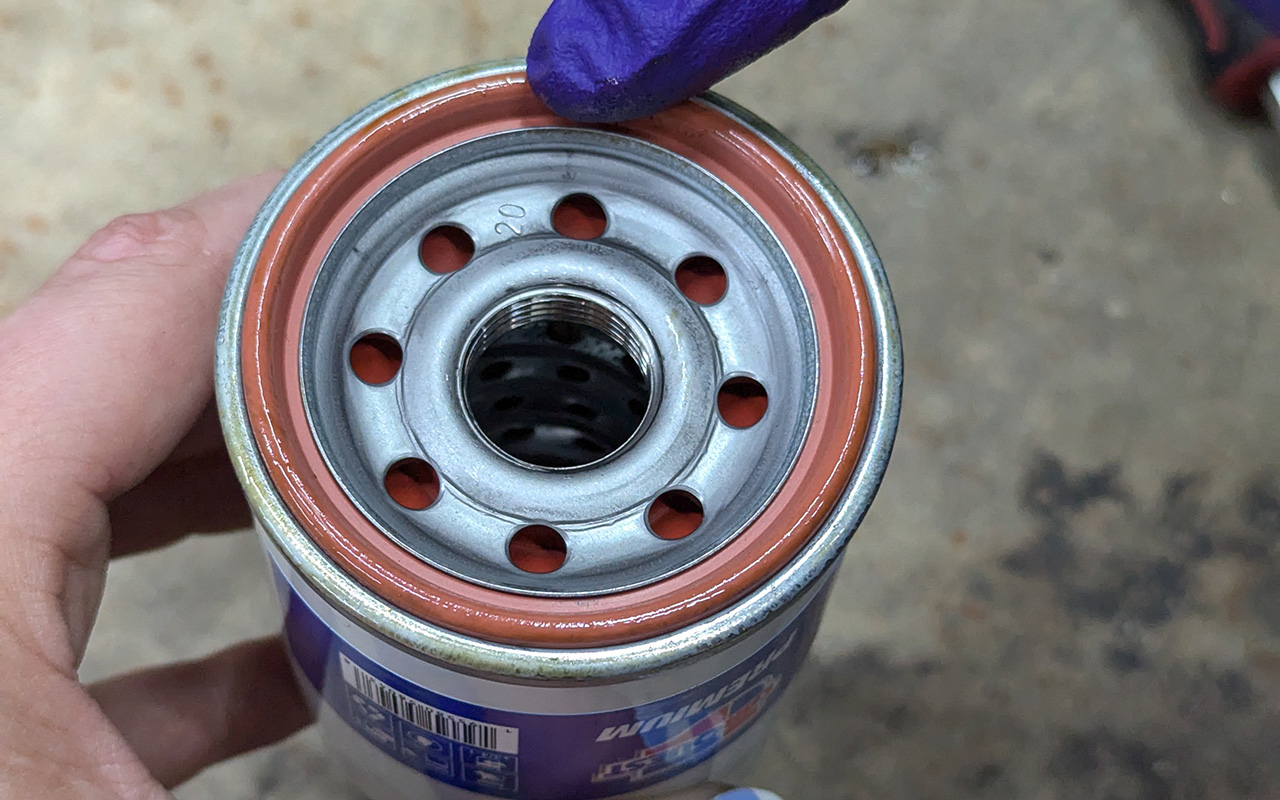
Look at the filter’s size and thread type. It must fit your engine’s filter housing. Check the filter’s micron rating. This shows how well it traps dirt. Choose a filter that meets or beats manufacturer specs. Good fit and filtration prevent engine damage.
Considering Driving Conditions
Your driving style affects filter choice. For stop-and-go city driving, pick a filter with higher dirt capacity. Long highway trips need filters with better flow rates. Harsh environments may require heavy-duty filters. Match the filter to your usual driving habits.
Credit: agirlsguidetocars.com
Common Myths About Oil Filters
Many people believe wrong things about oil filters. These myths can cause damage to your car. Knowing the truth helps you choose the right filter. It also protects your engine and saves money.
Below are some common myths about oil filters. Understanding them helps keep your car healthy.
Any Filter Works The Same
Not all filters are equal. Each filter fits specific engines. Using the wrong one can cause leaks or poor filtration. This harms the engine over time. Always check your car’s manual for the right filter.
Brand Doesn’t Matter
Brand quality affects filter performance. Cheap brands may use low-quality materials. This lowers filtering ability and durability. Trusted brands meet strict standards. They protect your engine better and last longer.
Reusable Filters Are Always Better
Reusable filters seem cost-saving. But cleaning them is not always easy. Poor cleaning leaves dirt behind. This clogs the filter and harms the engine. Sometimes, disposable filters work safer and better.
Signs You Need To Replace Your Oil Filter
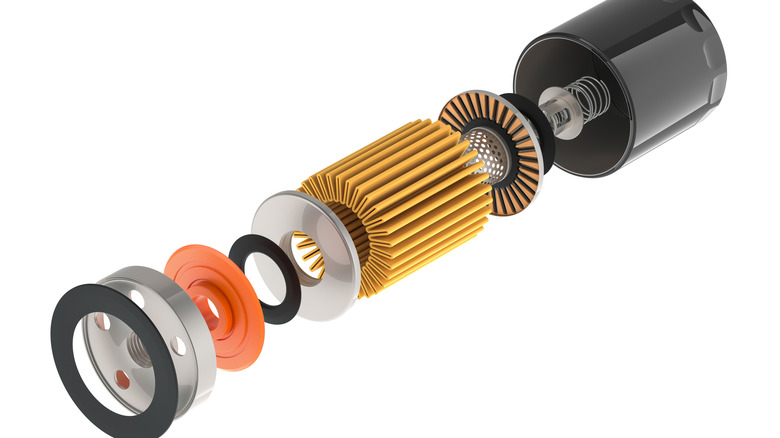
Knowing when to replace your oil filter keeps your car running smoothly. The oil filter traps dirt and debris from the engine oil. Over time, it clogs and loses effectiveness. This can cause damage to the engine. Watch for clear signs your oil filter needs replacing.
Decreased Engine Performance
Your engine may run rough or lose power. Acceleration might feel slower than usual. Engine noise could become louder or strange. These issues suggest your oil filter may be blocked. A clogged filter restricts oil flow. This affects engine lubrication and performance.
Oil Contamination Indicators
Check the oil color and texture. Dark, thick, or gritty oil shows contamination. The oil filter might not be working well. Contaminants harm engine parts if not filtered. Oil that smells burnt or looks dirty signals trouble. Changing the oil filter helps keep oil clean.
Scheduled Maintenance Tips
Follow the car’s maintenance schedule for oil and filter changes. Most manufacturers suggest replacing the filter every oil change. This keeps the filter fresh and effective. Skipping scheduled changes risks engine damage. Keep a record of oil filter replacements for best results.
Credit: www.jalopnik.com
Expert Tips For Oil Filter Maintenance
Maintaining your car’s oil filter is key to a healthy engine. Good care helps the filter work well and last longer. Simple steps keep dirt and debris out of the engine. These expert tips guide you through easy oil filter maintenance.
Regular Inspection Practices
Check the oil filter often for leaks or damage. Look under the car for oil spots. Inspect the filter for rust or cracks. Replace the filter if it looks worn or dirty. Regular checks prevent engine problems and save money.
Proper Installation Techniques
Use the correct oil filter for your car model. Clean the filter area before installing a new one. Apply a thin layer of oil to the filter gasket. Tighten the filter by hand only. Avoid over-tightening to prevent damage or leaks.
Avoiding Common Mistakes
Never reuse an old oil filter. Avoid using a filter that does not fit your car. Don’t forget to change the oil with the filter. Avoid overfilling the engine with oil. These simple habits keep your engine safe and clean.
Frequently Asked Questions
Do I Need A Specific Oil Filter For My Car Model?
Yes, each car model requires a specific oil filter for optimal performance. Using the wrong filter can cause leaks or engine damage. Always check your vehicle’s manual or manufacturer recommendations before buying an oil filter.
Can I Use A Universal Oil Filter On Any Car?
Universal oil filters fit many cars but may not be ideal. They might not seal properly or filter efficiently. For best results, use the oil filter specified for your car’s make and model.
How Does The Wrong Oil Filter Affect My Engine?
The wrong oil filter can reduce oil flow and filtration. This causes engine wear, overheating, and possible damage. Always choose the correct filter to maintain engine health and performance.
Where Can I Find The Right Oil Filter For My Car?
You can find the correct oil filter at auto parts stores, dealerships, or online. Use your car’s make, model, and year to search. Always verify compatibility before purchase to ensure proper fit and function.
Conclusion
Choosing the right oil filter helps keep your car’s engine healthy. Using the correct filter ensures proper oil flow and protection. A wrong filter can cause leaks or damage over time. Always check your car’s manual for the recommended filter type.
This small step saves money on repairs later. Clean oil and a good filter improve engine performance. Protect your car by picking the right oil filter every time. Simple but important for smooth driving and longer engine life.