
Have you ever wondered if any oil filter can fit your car? It sounds simple, but using the wrong oil filter can cause serious problems.
You want to keep your engine running smoothly, right? Choosing the right oil filter is more important than you might think. You’ll discover why not all oil filters are the same and how to pick the perfect one for your vehicle.
Keep reading to protect your car and save money in the long run.
How Oil Filters Differ
Oil filters do not all fit every car. They vary in design and function. Knowing their differences helps you choose the right one. Using the wrong filter can cause engine problems. Filters differ in type, size, and filtering ability.
Each car needs a specific oil filter. Some filters work better with certain engines. Understanding these differences keeps your car running smoothly.
Types Of Oil Filters
There are three main types of oil filters: cartridge, spin-on, and magnetic. Cartridge filters fit inside a housing. Spin-on filters are a complete unit you screw on. Magnetic filters use magnets to catch metal particles. Each type has its own use in different cars.
Filter Sizes And Shapes
Oil filters come in many sizes and shapes. Some are small and round. Others are larger and shaped differently. The size depends on the engine design. Using the wrong size can cause leaks or poor filtering. Always check your car’s manual for the right size.
Filter Media And Efficiency
The filter media is the material inside the filter. It traps dirt and metal particles from the oil. Some filters use paper media, others use synthetic fibers. Synthetic media usually filters better and lasts longer. The efficiency of a filter affects engine life. A good filter keeps the oil clean and the engine safe.
Credit: www.tundrasolutions.com
Why Fitment Matters
Choosing the right oil filter is not just about size or price. Fitment plays a crucial role in keeping your engine healthy. The correct oil filter fits perfectly and works with your car’s system. Using the wrong filter can cause problems that affect how your car runs and lasts. Understanding why fitment matters helps you protect your engine and save money on repairs.
Impact On Engine Performance
The oil filter cleans dirt and debris from engine oil. A proper fit ensures all oil passes through the filter. This keeps the oil clean and your engine running smoothly. A wrong fit may let dirty oil circulate, causing engine parts to wear faster. Clean oil means better fuel efficiency and longer engine life.
Risks Of Incorrect Filters
Wrong filters can leak oil or block its flow. Oil leaks reduce lubrication and increase engine heat. Blocked flow causes poor oil circulation and engine damage. Incorrect filters might not handle oil pressure properly. This leads to filter collapse or engine failure. Using the right filter prevents these costly risks.
Manufacturer Specifications
Car makers design filters to match specific engine needs. They set size, material, and flow rate standards. These details ensure the filter traps contaminants well. Following manufacturer specs protects your warranty. It also keeps your engine working as it should. Always check your car manual for correct filter info.
Finding The Right Filter
Choosing the right oil filter is important for your car’s engine health. Not all oil filters fit every car. Finding the correct one ensures proper fit and function. This section guides you to find the right oil filter easily.
Simple steps help avoid damage and keep your engine clean. Follow these tips to pick the best filter for your vehicle.
Using Vehicle Manuals
Your vehicle manual is the first place to check. It lists the exact oil filter type for your car model. Manuals give size, brand, and part number details. This information helps you buy a filter that fits perfectly.
Keep the manual handy during your search. It saves time and avoids guesswork. Always trust the manufacturer’s recommendations for best results.
Online Lookup Tools
Many websites let you enter your car’s make, model, and year. These tools show compatible oil filters instantly. They offer options from different brands and prices. This makes shopping easier and faster.
Use trusted auto parts sites for accurate results. Cross-check part numbers from the tool with your manual. This step confirms you get the right filter every time.
Consulting Auto Experts
Mechanics and auto parts store staff know filters well. They can recommend the best oil filter for your car. Experts spot mistakes and suggest quality brands. This advice prevents buying wrong or low-quality filters.
Talk to them before making a purchase. Their experience helps you avoid costly errors. Trust expert opinions to keep your engine running smoothly.

Credit: www.amazon.com
Common Fitment Myths
Many car owners believe any oil filter fits any car. This is a common myth that can cause problems. Choosing the wrong filter can lead to poor engine performance or damage. Understanding the facts helps you pick the right filter every time.
Universal Filters Explained
Universal filters claim to fit many car models. They have adjustable parts to match different sizes. Yet, they do not fit all cars perfectly. Some engines need specific filter shapes or threading. Using a universal filter might cause leaks or poor sealing. They work best as temporary solutions, not permanent fixes.
Aftermarket Vs Oem Filters
OEM filters come from the car maker. They match the exact size and quality needed. Aftermarket filters are made by other companies. Some aftermarket filters are good, but others vary in quality. Not all aftermarket filters fit like OEM ones. Always check the filter’s specifications before buying.
Cross-compatibility Issues
Some filters fit more than one car brand. This is called cross-compatibility. It can save money and effort. Still, it is not guaranteed for all models. Differences in engine design affect filter fit. Using a wrong filter causes engine problems or oil leaks. Always verify fitment using trusted guides or manuals.
Installation Tips For Perfect Fit
Installing the right oil filter is key to keeping your car’s engine safe. A perfect fit stops leaks and keeps oil flowing smoothly. Follow these simple tips for a smooth installation process.
Preparing For Installation
Start by turning off the engine and letting it cool down. Gather all tools and the new oil filter nearby. Clean the filter mounting surface to remove old oil and dirt. This step helps the new filter seal properly.
Checking Seal And Threads
Look closely at the rubber seal on the new filter. Lightly rub some clean oil on it to help the filter stick well. Check the filter’s threads for any damage or dirt. Avoid cross-threading by hand-tightening first before using tools.
Avoiding Common Mistakes
Do not over-tighten the filter; this can damage the seal. Avoid using old oil to lubricate the seal; use fresh oil only. Make sure to dispose of the old filter and oil correctly. Always double-check the filter model fits your car to prevent leaks.
Maintaining Your Oil Filter
Maintaining your oil filter is key to keeping your car’s engine healthy. The oil filter traps dirt and debris from the oil. Clean oil helps the engine run smoothly and lasts longer. Changing the oil filter regularly protects the engine from damage.
Recommended Replacement Intervals
Most car makers suggest changing the oil filter every time you change the oil. This is usually every 3,000 to 7,500 miles. Check your car’s manual for exact recommendations. Following these intervals keeps your engine safe and efficient.
Signs Of Filter Wear
Watch for signs your oil filter needs changing. Dark, dirty oil can mean the filter is full. Engine noise or rough idling might also be a sign. A warning light on the dashboard can indicate oil filter issues. Don’t ignore these signs to avoid engine problems.
Effect On Oil Quality
A clean oil filter keeps oil clear and free of particles. A clogged filter lets dirt mix with the oil. Dirty oil reduces engine performance and causes wear. Fresh oil and filter help the engine stay cool and clean. Good oil quality means better fuel economy and longer engine life.
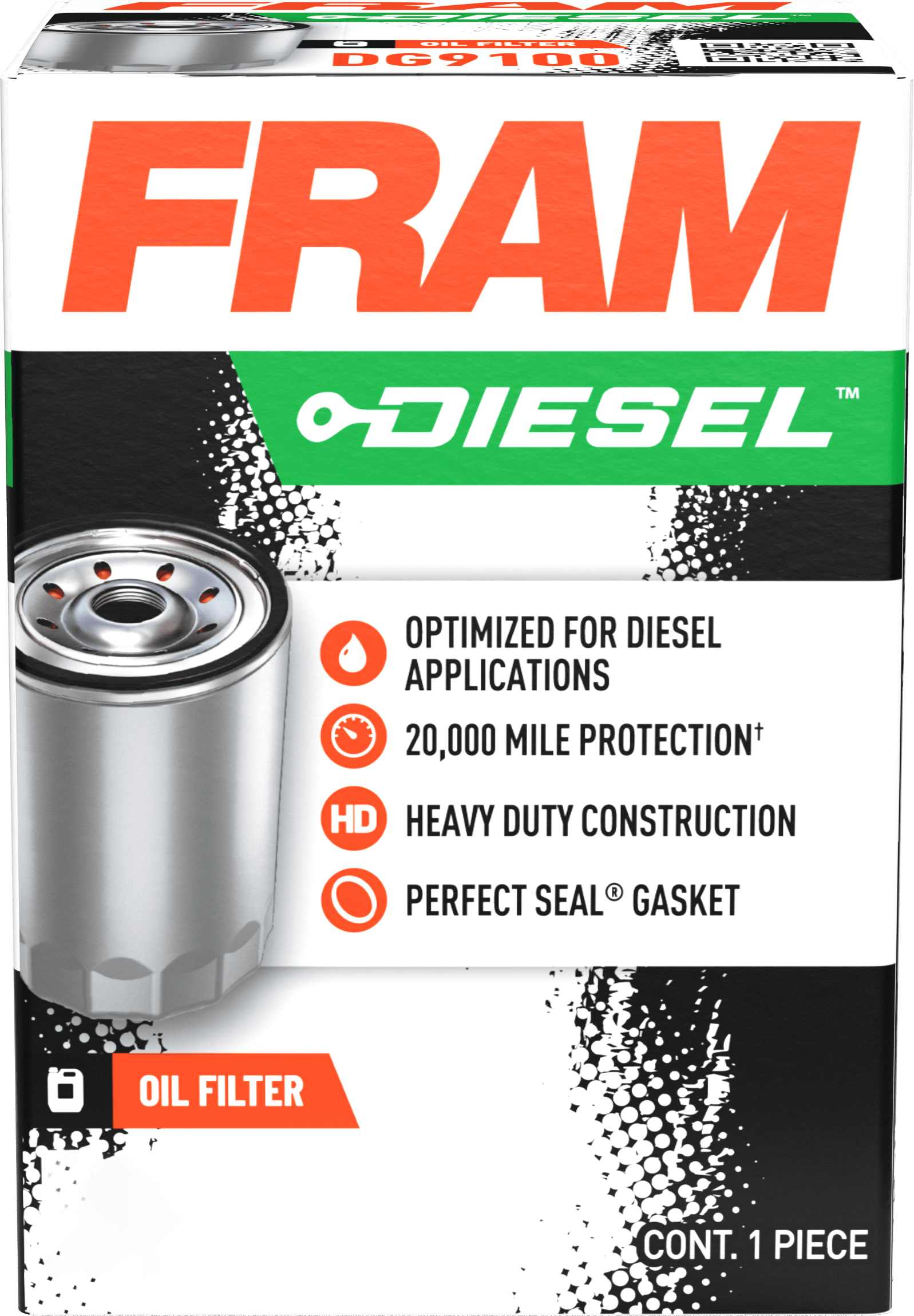
Credit: www.fram.com
Frequently Asked Questions
Can Any Oil Filter Fit Any Car Model?
No, oil filters vary by car make and model. Using the correct filter ensures proper fit and engine protection. Always check your vehicle’s manual or use an online filter finder tool before buying.
Why Is Oil Filter Compatibility Important?
Oil filter compatibility ensures the filter fits correctly and functions well. An incompatible filter may cause leaks, poor filtration, or engine damage. Proper fit maintains oil pressure and protects your engine’s performance.
How To Find The Right Oil Filter For My Car?
Check your car’s manual for the recommended oil filter type. You can also use your car’s make, model, and year on filter retailer websites to find the exact match. This guarantees proper fit and optimal engine protection.
What Happens If I Use The Wrong Oil Filter?
Using the wrong oil filter can lead to leaks, poor filtration, and reduced engine life. It may cause oil pressure issues or engine wear. Always use the filter specified for your vehicle to avoid costly repairs.
Conclusion
Choosing the right oil filter matters a lot. Not every filter fits every car model. Using the wrong one can cause engine problems. Check your car’s manual or ask an expert. Proper fit ensures better engine protection and longer life.
Always pick filters made for your specific vehicle. This small step keeps your car running smoothly. Don’t risk damage by guessing or using the wrong filter. Simple care helps your engine stay healthy and strong.