
Have you ever wondered what happens the moment a car crash triggers your airbag? Understanding how an airbag works can give you peace of mind every time you buckle up.
It’s not just a simple bag that inflates—there’s a smart, fast-acting system designed to protect you in a split second. You’ll discover the fascinating science behind airbags and why they are one of the most important safety features in your vehicle.
Keep reading to learn how this lifesaving technology keeps you safe when it matters most.
Credit: www.chase.com
Airbag Components
An airbag is made of several key parts that work together quickly. Each part plays a vital role in protecting passengers during a crash. Understanding these components helps us appreciate how airbags save lives.
These parts include sensors, an inflator mechanism, and the airbag cushion itself. Each one activates at the right moment to reduce injury. Let’s explore the main airbag components.
Sensors And Detectors
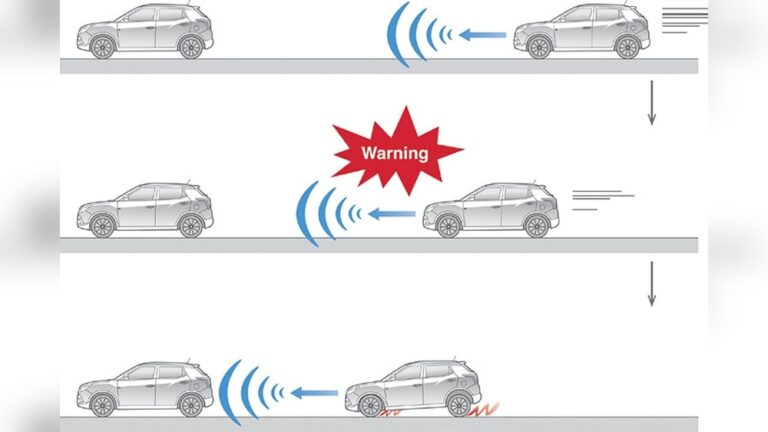
Sensors detect sudden stops or impacts. They send signals to the inflator when a crash occurs. These sensors use accelerometers or pressure detectors. They work within milliseconds to start airbag deployment. This quick reaction helps protect passengers instantly.
Inflator Mechanism
The inflator creates gas to fill the airbag fast. It uses a small explosion inside a gas generator. This explosion produces nitrogen or argon gas. The gas inflates the airbag in less than a second. It must work perfectly to cushion the impact.
Airbag Cushion
The cushion is made of strong, flexible fabric. It stays folded until it inflates. Once filled with gas, it expands between the passenger and the car parts. The cushion absorbs force and reduces injury risk. After impact, the airbag quickly deflates to avoid blocking vision.
Activation Process
The activation process of an airbag is quick and precise. It involves several key steps that ensure the airbag inflates exactly when needed. Understanding this process helps explain how airbags protect passengers during crashes.
Crash Detection
Sensors inside the vehicle detect sudden impacts. These sensors measure the force and speed of a crash. When the impact is strong enough, the sensors trigger the next step in the process.
Signal Transmission
Once a crash is detected, the sensors send an electric signal. This signal travels to the airbag control unit. The control unit then decides if the airbag should deploy.
Inflation Timing
The airbag inflates in less than a second. A chemical reaction produces gas to fill the bag rapidly. This quick inflation cushions the passenger before impact with the vehicle interior.
Inflation Mechanics
The inflation mechanics of an airbag start the moment a crash happens. Sensors detect the collision and send a signal. This triggers a rapid process that fills the airbag in milliseconds. The process is split into three parts: chemical reaction, gas generation, and cushion expansion. Each step is crucial to protect passengers quickly and effectively.
Chemical Reaction
The airbag inflates due to a fast chemical reaction. A small explosive charge ignites inside the airbag module. This reaction happens instantly after the crash signal arrives. It creates hot gas by breaking down a solid chemical compound. The speed of this reaction ensures the airbag inflates before the passenger moves forward.
Gas Generation
The chemical reaction produces a large volume of gas very fast. This gas is mostly nitrogen. It fills the airbag quickly, creating pressure inside the bag. The gas flow is controlled to avoid over-inflation. The amount and speed of gas generation are carefully designed for safety. This step turns the airbag from a folded fabric into a protective cushion.
Cushion Expansion
The gas pushes the airbag fabric outward. The airbag inflates fully within 20 to 30 milliseconds. It forms a soft but firm cushion between the passenger and hard surfaces. This cushion reduces the impact force on the body. The fabric also vents gas to soften the landing. The quick expansion and controlled deflation save lives by preventing serious injuries.

Credit: carfromjapan.com
Safety Benefits
Airbags save lives by protecting passengers during a crash. They work fast to reduce harm. Understanding their safety benefits helps us appreciate their role in cars.
Airbags improve safety by softening the force of a collision. They lower the risk of serious injury. This section explains how airbags protect you in three key ways.
Impact Absorption
Airbags absorb the force from a crash. They spread the impact over a larger area. This stops the body from hitting hard surfaces directly. It lowers pressure on the head and chest. The airbag inflates in milliseconds to shield passengers quickly.
Injury Reduction
Airbags reduce injuries to the face and neck. They prevent contact with the steering wheel or dashboard. This cuts down cuts, bruises, and broken bones. Airbags also help stop whiplash by cushioning sudden movements. They work best with quick inflation and proper size.
Complement To Seatbelts
Airbags work with seatbelts to protect passengers fully. Seatbelts hold the body in place during a crash. Airbags provide extra padding to prevent impact injuries. Neither works well alone. Together, they lower the chance of fatal injuries drastically.
Types Of Airbags
Airbags come in different types to protect people inside a vehicle. Each type has a specific role during a crash. They work together to reduce injuries. Understanding these types helps you see how safety improves in cars.
These airbags inflate quickly on impact. They create a cushion that stops people from hitting hard surfaces. Let’s explore the main types of airbags you find in most vehicles.
Front Airbags
Front airbags are the most common type. They sit in the steering wheel and dashboard. These airbags protect the driver and front passenger. They inflate during a head-on crash. Their main job is to stop your head and chest from hitting the steering wheel or dashboard.
Side Airbags
Side airbags protect the body during side collisions. They are usually found in the seat or door panel. These airbags cover the chest and abdomen. They reduce the risk of injury from hitting the door or other objects. Side airbags help keep the body safe in side impacts.
Curtain Airbags
Curtain airbags deploy from above the windows. They drop down like a curtain along the side of the car. These airbags protect the head during side crashes and rollovers. They also help keep people inside the car. Curtain airbags cover all passengers on the side.
Maintenance And Replacement
Airbags are vital for safety, but they need care like other car parts. Proper maintenance and timely replacement keep airbags ready to protect you. Ignoring these can lead to failure during accidents. Understanding inspection, replacement timing, and common issues helps you stay safe.
Inspection Guidelines
Check the airbag system regularly. Look for warning lights on your dashboard. These lights show if the airbag system has a problem. Follow your car manual for inspection schedules. A professional mechanic can test the airbag sensors and connectors. Never ignore warning signs or unusual dashboard messages.
Replacement Timing
Airbags do not last forever. Most manufacturers suggest replacing airbags every 10 to 15 years. Age, heat, and humidity can weaken airbag components. Replace airbags after a crash, even if they did not deploy. Always use parts approved by your car maker. Timely replacement ensures airbags work properly when needed.
Common Issues
Airbags can suffer from wiring faults or sensor errors. Moisture can damage the airbag module. Faulty clockspring or inflator problems are also common. These issues may stop the airbag from inflating. Regular checks catch problems early. Fixing issues quickly keeps your airbag system reliable and safe.

Credit: carfromjapan.com
Frequently Asked Questions
How Does An Airbag Inflate During A Crash?
An airbag inflates instantly when sensors detect a collision. A chemical reaction produces gas that fills the bag in milliseconds, cushioning the occupant and reducing injury risk.
What Materials Are Airbags Made From?
Airbags are typically made from nylon fabric. This material is strong, lightweight, and flexible, allowing rapid inflation without tearing during impact.
When Should Airbags Be Replaced After Deployment?
Airbags must be replaced immediately after deployment. They are designed for one-time use and cannot protect occupants once used.
How Do Sensors Trigger Airbag Deployment?
Sensors detect sudden deceleration or impact forces. They send signals to the airbag control unit, which activates the inflator to deploy the airbag within milliseconds.
Conclusion
Airbags protect drivers and passengers during crashes. They inflate quickly to cushion impact and reduce injury. Sensors detect sudden stops and trigger the airbag instantly. Knowing how airbags work helps appreciate their safety role. Always wear your seatbelt with airbags for best protection.
Airbags save lives by softening hard blows inside cars. Safety technology keeps improving to make rides safer. Understanding these systems encourages careful and responsible driving habits. Safety first—always stay alert and buckle up.