
Have you ever wondered what keeps your car’s engine running smoothly every time you hit the road? One small but powerful part plays a huge role in protecting your engine from damage—your car’s oil filter.
Understanding how your oil filter works can save you from costly repairs and keep your engine healthy for years to come. You’ll discover exactly what happens inside your oil filter and why it’s so important for your car’s performance. Ready to learn how this simple device does such a big job?
Let’s dive in.
Role Of Oil Filter
The oil filter plays a vital role in your car’s engine health. It works quietly but protects the engine from damage. This small part keeps the oil clean and helps the engine run smoothly. Without a good oil filter, dirt and particles can harm the engine parts.
Protecting Engine Components
The oil filter catches dirt, metal bits, and other debris. These particles come from engine wear and outside dust. If not trapped, they can scratch engine parts. This causes wear and reduces engine life. The filter stops these particles from circulating in the oil. It acts like a shield for the engine’s internal parts.
Maintaining Oil Cleanliness
Clean oil is key for engine performance. The oil filter removes tiny impurities from the oil. It keeps the oil fresh longer. Cleaner oil means less friction between parts. This helps the engine work better and saves fuel. The filter also helps the oil flow smoothly. Without it, dirty oil could clog the engine and cause problems.
Types Of Oil Filters
Car oil filters come in different types. Each type cleans the oil in a unique way. These filters protect the engine by removing dirt and metal particles. Choosing the right filter helps keep the engine healthy and running smoothly.
Mechanical Filters
Mechanical filters use a special paper or fabric to trap dirt. Oil passes through the filter material, catching tiny particles. This type is common and easy to replace. It works well for most everyday driving needs.
Magnetic Filters
Magnetic filters use magnets to pull metal particles from the oil. These magnets attract small metal bits that can harm the engine. Magnetic filters often work alongside mechanical filters. They add an extra layer of protection for the engine parts.
Centrifugal Filters
Centrifugal filters spin the oil at high speeds. This spinning forces dirt and metal to move to the outer edge. Clean oil stays in the center and returns to the engine. These filters are strong and can remove very fine particles.
Key Components Of Oil Filter
The oil filter has several key parts. Each part helps the filter keep the engine oil clean. Clean oil protects the engine from damage. The oil filter removes dirt and metal bits from the oil. Understanding these parts shows how the oil filter works well.
Filter Media
The filter media is the main part inside the oil filter. It catches dirt and tiny particles from the oil. The media is made of paper or synthetic fibers. It lets oil pass through but holds back harmful debris. Clean oil flows back to the engine, keeping it safe.
Bypass Valve
The bypass valve opens if the filter clogs. It stops oil from being blocked inside the filter. This valve allows oil to flow even when the filter is full of dirt. The engine still gets oil, avoiding damage from low oil flow. It acts as a safety feature for the engine.
Anti-drain Back Valve
The anti-drain back valve stops oil from leaving the filter when the engine is off. It keeps oil inside the filter so the engine gets oil quickly at startup. This valve helps prevent dry starts, which can harm the engine. It works like a one-way door for oil.
Credit: www.jalopnik.com
How Oil Filter Cleans Oil
The oil filter plays a key role in keeping engine oil clean. It removes harmful particles and dirt. This helps the engine run smoothly and last longer. Understanding how the oil filter cleans oil is important for car care.
Trapping Contaminants
The oil filter catches contaminants that enter the oil. These include dirt, metal bits, and dust. The filter’s material traps these particles. This prevents them from circulating inside the engine. Clean oil means better engine protection.
Filtering Particles And Debris
The filter’s fine mesh screens out tiny particles. It stops debris from damaging engine parts. Oil passes through the filter’s layers, leaving impurities behind. This keeps the oil clear and effective. The engine can then work without wear or blockages.
Impact On Engine Efficiency
The car oil filter plays a key role in keeping the engine running smoothly. It helps maintain engine efficiency by keeping the oil clean and free from harmful particles. Clean oil reduces damage inside the engine and supports better performance. Understanding how the oil filter impacts engine efficiency helps drivers keep their cars healthy and reliable.
Reducing Wear And Tear
The oil filter traps dirt and metal bits from the engine oil. These tiny particles can cause scratches and damage inside the engine. Clean oil flows through the engine parts, reducing friction and wear. This protection helps the engine last longer and avoid costly repairs.
Optimizing Oil Flow
A good oil filter ensures smooth oil flow through the engine. It removes blockages that can slow down oil movement. Proper oil flow means all engine parts get the right amount of lubrication. This keeps the engine running at the right temperature and stops parts from overheating.
Improving Fuel Economy
Clean oil helps the engine work more efficiently. When the engine runs smoothly, it uses less fuel. A clogged oil filter makes the engine work harder and burn more fuel. Changing the oil filter regularly can save money on gas by improving fuel economy.
Signs Of A Clogged Oil Filter
A clogged oil filter can cause serious trouble for your car’s engine. It blocks the flow of oil, making the engine work harder. Knowing the signs helps you catch the problem early. This saves money and avoids engine damage.
Engine Performance Issues
A dirty oil filter reduces oil flow. The engine parts do not get enough lubrication. This causes rough idling or stalling. You may notice the engine is slower or less powerful. Sometimes, strange noises come from the engine. These are all signs the oil filter needs attention.
Oil Pressure Changes
Oil pressure changes when the filter clogs. The oil pump struggles to push oil through. The oil pressure light on the dashboard may turn on. Low oil pressure can cause engine parts to wear out fast. High oil pressure can also mean the filter is blocked. Watching the oil pressure helps spot filter problems early.
Replacing And Maintaining Oil Filters
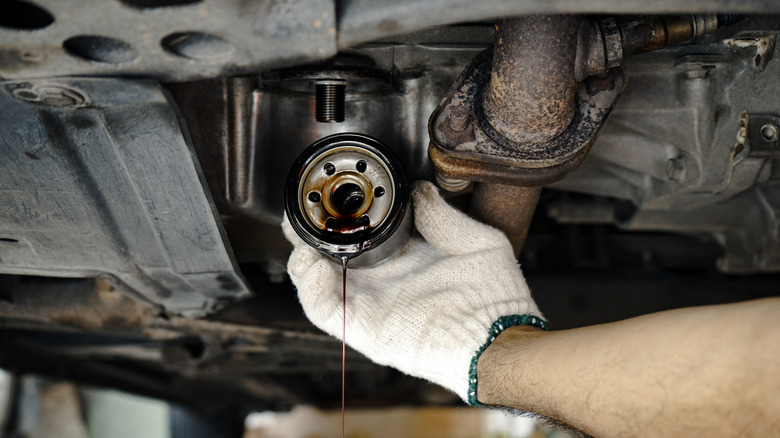
Replacing and maintaining oil filters keeps your engine clean and healthy. The oil filter traps dirt and metal particles from the engine oil. Over time, the filter clogs and loses its ability to clean oil properly. Regular replacement ensures smooth engine performance and longer engine life. Simple care can prevent costly repairs and breakdowns.
Recommended Replacement Intervals
Most car makers suggest changing the oil filter every 3,000 to 7,500 miles. Check your vehicle’s manual for exact numbers. Some filters last longer with synthetic oils. Changing the filter too late allows dirt to circulate and damage parts. Changing it too early wastes money. Stick to a schedule for best results.
Choosing The Right Filter
Select an oil filter that fits your car model and engine type. Use filters approved by your car maker. Cheap filters may let dirt pass through or break quickly. High-quality filters use better materials and last longer. Check the filter size and thread type before buying. Proper fit means better protection and easier installation.

Credit: www.youtube.com
Credit: www.carparts.com
Frequently Asked Questions
What Is The Main Function Of A Car Oil Filter?
A car oil filter removes dirt, debris, and contaminants from engine oil. It ensures clean oil circulates, protecting engine parts from wear and damage. This helps maintain engine performance and prolongs its lifespan.
How Often Should You Change A Car Oil Filter?
Typically, change the oil filter every 3,000 to 7,500 miles or as per the vehicle manual. Regular changes keep the oil clean and the engine running smoothly, preventing costly repairs.
Can A Clogged Oil Filter Harm The Engine?
Yes, a clogged oil filter restricts oil flow, causing engine parts to overheat and wear out faster. It can lead to reduced engine efficiency and potential engine failure if not replaced timely.
Does An Oil Filter Affect Engine Oil Quality?
Yes, the oil filter maintains oil quality by trapping impurities. Clean oil lubricates engine parts better, improves fuel efficiency, and reduces harmful emissions, enhancing overall engine health.
Conclusion
A car oil filter keeps your engine clean and healthy. It stops dirt and debris from damaging parts. Clean oil flows better and helps the engine last longer. Changing the oil filter regularly protects your car from wear. Knowing how it works helps you care for your vehicle.
Keep the filter in good shape for smooth driving. Small steps like this save money and avoid big repairs. Simple but important for every car owner.