
Have you ever wondered what really happens when you take your car to a hand car wash? You might think it’s just about wiping your car down, but there’s more to it than meets the eye.
Knowing how hand car washes work can help you decide if this is the best way to keep your vehicle looking its best. You’ll discover the step-by-step process, why it’s gentle on your car, and how it can make a big difference in the shine and protection of your paint.
Keep reading to find out exactly what your car goes through and why hand washing might be the secret to a showroom finish.
Hand Car Wash Basics
Hand car washes offer a careful cleaning process that machines can’t match. They focus on detailed attention to every part of the car. This method helps keep your vehicle looking its best while protecting its paint and finish.
Understanding the basics of hand car washes reveals why many prefer this method. The process uses simple tools and a clear step-by-step routine. This ensures a thorough and gentle clean.
Tools And Materials Used
Soft microfiber cloths prevent scratches during washing. Sponges help lift dirt without damaging paint. Buckets with clean water avoid dirt transfer.
Car-safe soaps break down dirt without harming surfaces. Brushes clean wheels and hard-to-reach areas. Towels dry the car to avoid water spots. Wax and polish add shine and protection.
Step-by-step Process
First, rinse the car to remove loose dirt. Then, apply soap with a sponge or mitt. Work from top to bottom to avoid re-soiling.
Use brushes for wheels and tough spots. Rinse thoroughly to remove all soap. Dry the car with a clean towel to prevent streaks.
Finish by applying wax or polish for extra shine. This step helps protect the paint from weather damage. Each stage is slow and careful, ensuring a quality clean.
Pre-wash Preparation
Pre-wash preparation is the first step in a hand car wash. It sets the stage for a clean, scratch-free finish. Proper preparation helps remove loose dirt and protects the paint during washing. This step saves time and prevents damage to the vehicle.
Inspecting The Vehicle
First, the car is carefully checked for dirt and damage. Staff look for bird droppings, sap, and stains. They note any scratches or dents to avoid worsening them. This inspection helps choose the right cleaning tools and products. It also ensures delicate areas get special care.
Gathering Supplies
Next, all cleaning materials are collected. These include buckets, sponges, brushes, and microfiber towels. Soap and wax products suited for the car’s paint are prepared. Proper supplies prevent scratches and improve cleaning. Having everything ready makes the wash smooth and efficient.
Washing Techniques
Washing techniques are the heart of hand car washes. They remove dirt, grime, and stains gently. Proper techniques protect the car’s paint and finish. Each step plays a key role in cleaning.
Professionals use careful methods to clean cars by hand. These steps focus on rinsing, applying soap, and scrubbing. This process ensures a deep, safe clean without damage.
Rinsing And Soaking
The first step is rinsing the car with water. This removes loose dirt and dust. Soaking helps soften stuck-on grime. It makes cleaning easier and prevents scratches.
Soap Application
Next, soap is applied evenly over the car. Special car wash soap is used to avoid harm. The soap breaks down dirt and grease. It prepares the surface for scrubbing.
Manual Scrubbing
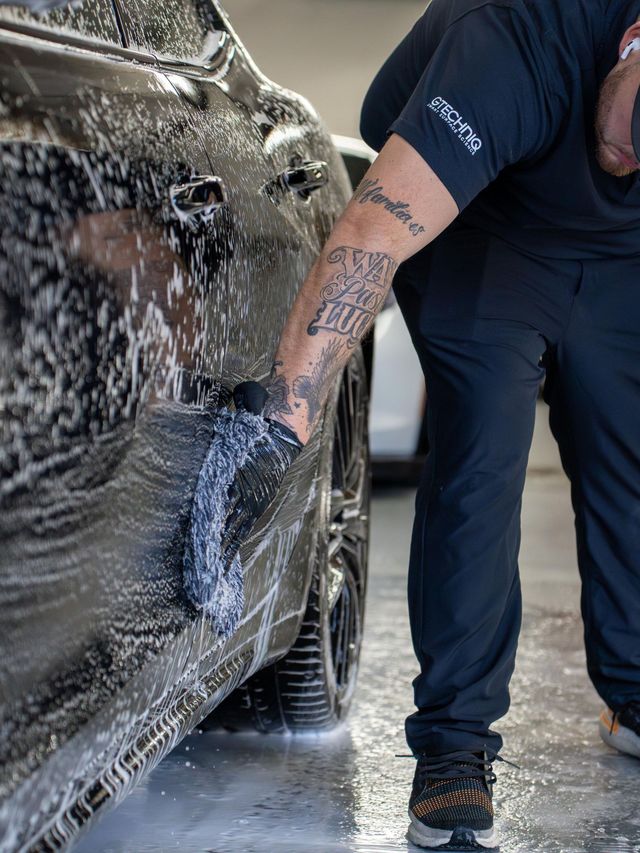
Finally, the car is scrubbed by hand using soft mitts or sponges. This removes stubborn dirt and spots. Gentle scrubbing protects the paintwork. It also reaches tight and curved areas.

Credit: www.reddit.com
Rinsing And Drying
Rinsing and drying are important steps in a hand car wash. These steps help remove soap and water spots. They keep the car’s surface clean and shiny. Proper rinsing and drying protect the paint and finish from damage.
Removing Soap Residue
After washing, soap residue must be completely rinsed off. Water is sprayed gently but thoroughly on the car’s surface. This removes all soap and dirt left behind. Any soap left can cause streaks or spots. It can also dull the car’s paint over time. Using clean water ensures the car looks bright and fresh.
Proper Drying Methods
Drying the car carefully avoids water marks. Soft microfiber towels are best to dry the surface. They absorb water without scratching the paint. Some hand car washes use air blowers to dry hard-to-reach spots. Drying fast prevents water spots from forming. It also helps keep the car’s shine for longer.
Detailing And Finishing Touches
Detailing and finishing touches are the final steps in a hand car wash. They make the car look clean and shiny. These steps focus on small areas that need extra care. They improve the car’s overall appearance. The process includes cleaning windows, caring for tires, and applying wax or polish. Each step helps protect the car and keeps it looking fresh.
Cleaning Windows And Mirrors
Cleaning windows and mirrors is important for clear vision. Workers use special glass cleaners to remove dirt and smudges. They wipe the surfaces with soft cloths to avoid scratches. This step helps improve safety by making sure the driver can see well. It also makes the car look neat and polished.
Tire And Wheel Care
Tires and wheels often collect a lot of dirt and brake dust. Cleaners scrub them with brushes and special cleaners to remove grime. They also apply tire shine to make tires look new and black. This care protects the rubber and gives the car a fresh, finished look. Clean wheels add to the car’s overall beauty.
Waxing And Polishing
Waxing and polishing protect the car’s paint from damage. Workers apply wax to create a protective layer against dirt and sun. Polishing removes small scratches and brings out a shiny finish. These steps keep the car looking smooth and bright. They help the car stay clean longer and look well cared for.
Credit: www.nycmobilecarwash.com
Benefits Of Hand Car Washes
Hand car washes offer many benefits that machines cannot match. They provide a careful cleaning process that protects your car’s surface. Each vehicle receives special care tailored to its needs. This method helps keep the car looking new longer.
Choosing a hand wash means your car is treated gently. It avoids the harsh scrubbing that can harm paint and finishes. The cleaning process is slower but more thorough, reaching places machines often miss. This attention helps maintain the car’s value over time.
Attention To Detail
Hand washers focus on every inch of the vehicle. They clean tight spots like grills, mirrors, and door edges carefully. This detailed work removes dirt and grime more effectively than automated washes. The result is a spotless car inside and out.
Gentle On Paint
Hand washing uses soft cloths and gentle soaps. These materials protect the paint from scratches and swirl marks. Unlike harsh brushes, hand washing avoids damage caused by friction. It keeps your car’s color bright and smooth for years.
Customizable Service
Each hand wash can be adjusted to fit your car’s needs. Extra attention can be given to problem areas like bird droppings or tar spots. You can choose special treatments like waxing or tire shining. This personalized care helps your car look its best every time.
Common Mistakes To Avoid
Hand car washes offer a careful way to clean your vehicle. Many people try it themselves but make small mistakes. These errors can harm the paint or leave spots. Knowing what to avoid helps keep your car shiny and safe.
Using Harsh Chemicals
Some cleaners are too strong for car paint. Harsh chemicals can cause fading or damage. Use mild soap made for cars. Avoid household cleaners like bleach or ammonia. They remove dirt but also hurt the car’s surface.
Improper Tools
Using the wrong tools can scratch your car. Rough sponges or brushes leave marks on the paint. Choose soft microfiber cloths or sponges. These materials clean gently without harming the surface. Avoid old rags that trap dirt and grit.
Skipping Drying
Drying is a key step after washing. Water left on the car can create spots and streaks. Use a clean, soft towel to dry the car. Pat the surface instead of rubbing hard. This prevents water marks and keeps the finish smooth.
Tips For Maintaining A Clean Car
Keeping a car clean is more than just making it look good. It helps protect the paint and keeps the car in better shape for longer. Simple steps can keep your vehicle shining and fresh both inside and out. Follow these easy tips to maintain a clean car every day.
Regular Washing Schedule
Wash your car often to stop dirt buildup. Dirt and grime can harm the paint over time. Aim for a wash every two weeks or more if you drive a lot. Use gentle soap made for cars to avoid scratches. Hand washes are best for careful cleaning.
Protective Coatings
Apply wax or sealant to protect your car’s paint. These coatings create a shield against dirt and water. Wax your car every few months to keep the shine bright. Sealants last longer and offer stronger protection. They make future cleaning easier.
Interior Care
Keep the inside clean to make driving more pleasant. Vacuum seats and carpets regularly to remove dust and crumbs. Use cloth wipes for the dashboard and panels to avoid dust buildup. Avoid eating inside the car to prevent stains and smells.

Credit: www.rac.co.uk
Frequently Asked Questions
What Is A Hand Car Wash Service?
A hand car wash service involves cleaning a vehicle manually using cloths, brushes, and cleaning products. It ensures detailed care and thorough cleaning, reaching areas automated systems often miss. This method protects the car’s paint and enhances its appearance.
How Long Does A Hand Car Wash Take?
A typical hand car wash takes between 30 to 60 minutes. The duration depends on the vehicle size and cleaning level requested. Detailed services like waxing or interior cleaning may add extra time.
Are Hand Car Washes Better Than Automatic Washes?
Hand car washes provide a gentler and more thorough cleaning. They reduce the risk of scratches caused by automated brushes. Hand washing allows for personalized attention to detail, preserving your car’s finish.
What Products Are Used In Hand Car Washes?
Hand car washes use specialized soaps, waxes, and microfiber cloths. These products are designed to clean without damaging the paint. Eco-friendly and pH-balanced solutions are often preferred for safety and effectiveness.
Conclusion
Hand car washes clean your car carefully by hand. Workers use soft cloths and special soap to avoid scratches. They pay close attention to every part of the car. This method helps keep your car’s paint safe and shiny. Hand washing also removes dirt in hard-to-reach spots.
Choosing a hand wash means trusting skilled people with your car. It takes more time but gives a thorough clean. A clean car looks better and lasts longer. Small care steps make a big difference in the long run.