
Have you ever wondered what really happens the moment your car’s airbag springs to life? It’s not magic—it’s a carefully designed system working in milliseconds to protect you.
Understanding how an airbag deploys can give you a new appreciation for this lifesaving feature every time you buckle up. You’ll discover the simple yet powerful process behind airbag deployment and why it’s crucial for your safety. Keep reading to learn how this hidden guardian steps in exactly when you need it most.
Airbag Components
Airbags save lives by inflating quickly during a crash. They rely on several key parts working together perfectly. Each part has a special job to make sure the airbag deploys fast and protects passengers.
Sensors And Control Unit
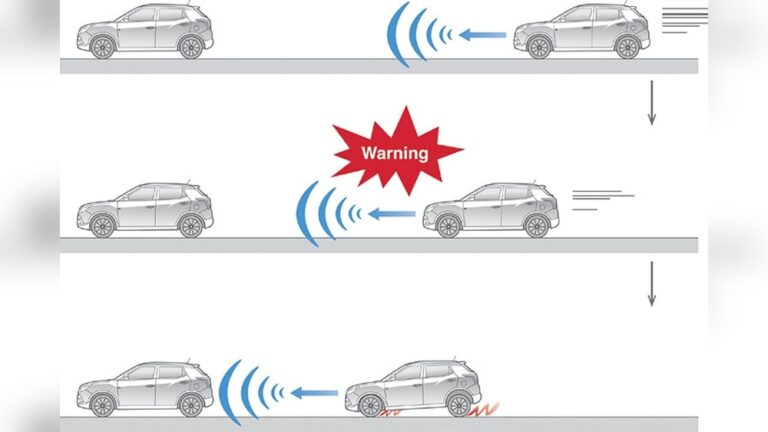
Sensors detect sudden stops or impacts. They send signals to the control unit. The control unit is like the brain. It decides if the crash is severe enough to trigger the airbag. It processes data in milliseconds to act fast.
Inflator Mechanism
The inflator creates gas to fill the airbag. It uses a chemical reaction triggered by the control unit. The gas inflates the airbag in a fraction of a second. This rapid inflation cushions the passenger.
Airbag Cushion
The cushion is the part that protects you. It is made from strong, flexible fabric. The cushion inflates and absorbs the impact energy. Then, it deflates quickly to prevent injury from the airbag itself.
Triggering The Deployment
The process of triggering an airbag deployment starts in a fraction of a second during a crash. The system must quickly detect a collision and send a signal to inflate the airbag. This fast response helps protect passengers from serious injury. Understanding how this triggering works reveals the technology behind airbag safety.
Crash Detection
Special sensors inside the vehicle detect sudden changes in speed or impact. These sensors measure force and direction. When the force passes a set limit, the system recognizes it as a crash. This detection happens instantly to avoid delay. The sensors are usually placed near the front and sides of the car. They work together to identify dangerous collisions.
Signal Transmission
Once the crash is detected, the sensors send an electronic signal to the airbag control unit. This signal tells the system to deploy the airbags. The control unit processes the information and triggers the airbag inflator. This inflator rapidly fills the airbag with gas. The entire signal transmission and inflation process takes only milliseconds. This speed ensures the airbag is ready before passengers move forward.
Inflation Process
The inflation process is a key part of how an airbag protects passengers. It happens very fast, giving no time for injury. The airbag inflates right after a crash is detected. Sensors send a signal to start inflation immediately. The process has two main steps: gas generation and rapid inflation.
Gas Generation
A small chemical reaction creates gas inside the airbag module. This reaction happens in the inflator unit. It uses a compound called sodium azide or other safer materials. When triggered, the compound breaks down quickly. This produces nitrogen gas, which fills the airbag. The gas generation happens in just milliseconds.
Rapid Inflation
The nitrogen gas rushes into the airbag to fill it fast. The airbag expands quickly to form a cushion. This cushion absorbs the impact and protects the passenger’s head and body. The bag stays inflated for a short time to provide protection. Then, it deflates through small vents to avoid suffocation.

Credit: carfromjapan.com
Airbag Expansion And Cushioning
An airbag expands quickly after a collision to protect passengers. It inflates like a soft cushion that stops the body from hitting hard surfaces inside the car.
The airbag’s design helps reduce injury by spreading out the force of the impact. It creates a barrier that absorbs energy and protects the head, neck, and chest.
Positioning Of The Airbag
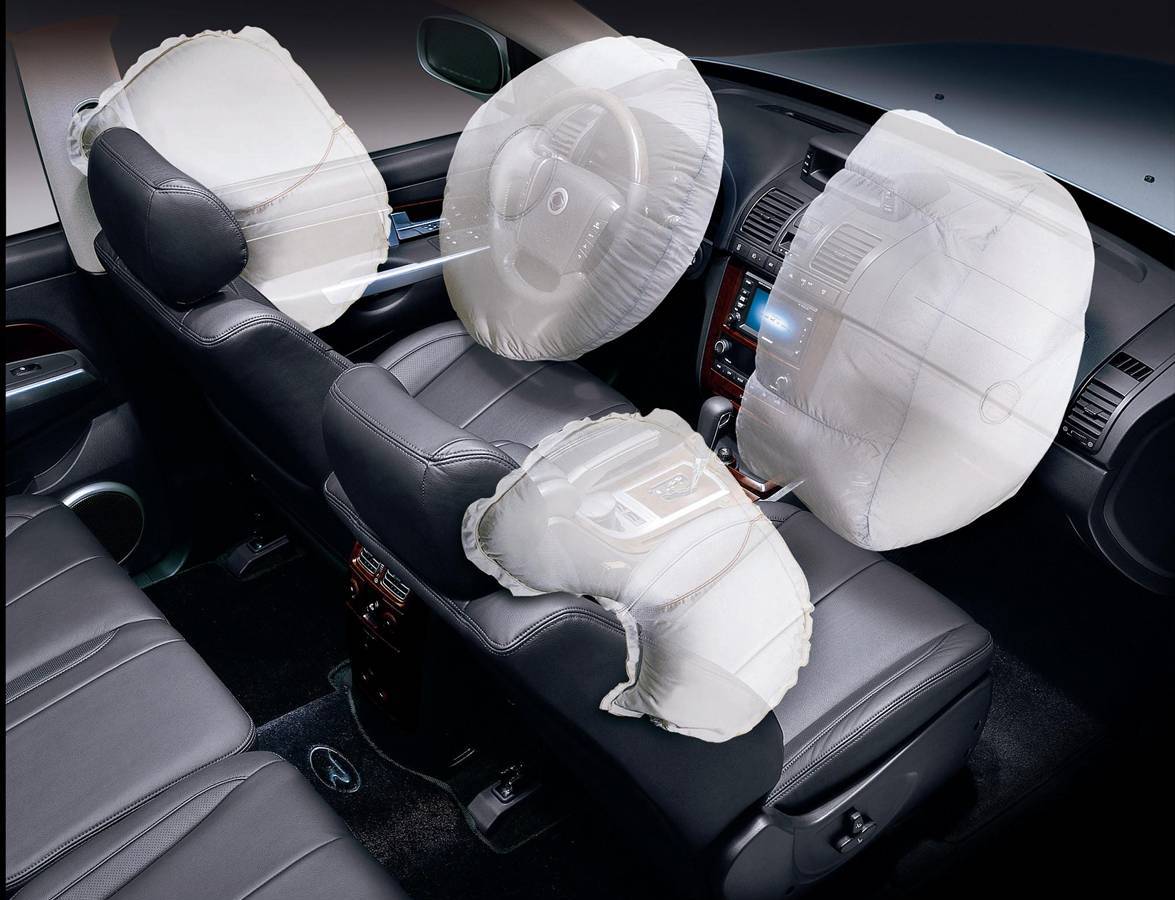
Airbags are placed in key areas inside the car. Common spots include the steering wheel, dashboard, and side panels. This placement targets the most vulnerable parts of the body during a crash.
Proper positioning ensures the airbag inflates right where it is needed. It helps to catch the body and reduce the chance of serious injury.
Energy Absorption
The airbag’s cushion absorbs the energy from a sudden stop. It slows down the body gently instead of a hard hit. This reduces the risk of broken bones and other injuries.
The airbag surface is soft and flexible. It spreads the force over a larger area to protect the skin and bones. This energy absorption is key to saving lives in accidents.
Deflation And Safety
After an airbag inflates in a crash, it must quickly deflate. This step is key for safety. Deflation helps reduce the force on the passenger. It also stops blocking the driver’s view or movement. Understanding deflation shows how airbags protect us beyond just inflation.
Controlled Deflation
Airbags have small holes that let air escape. This controlled deflation reduces pressure slowly. It prevents the airbag from being too hard or sharp. The fabric and design manage how fast air leaves. This careful release cushions the passenger safely.
Post-deployment Safety
After deflation, airbags no longer block movement. Passengers can move and exit the vehicle easier. Deflated airbags lower the risk of injury from stiffness. Safety systems work with airbags to protect fully. This phase ensures airbags help without causing new problems.

Credit: carfromjapan.com
Types Of Airbags
Airbags come in different types to protect passengers in various crash situations. Each type targets a specific area of the body. They work together to reduce injuries and save lives. Understanding these types helps you know how airbags keep you safe.
Front Airbags
Front airbags are the most common type. They sit in the steering wheel and dashboard. These airbags inflate quickly during a frontal collision. They protect the head and chest from hitting the dashboard or steering wheel. Front airbags have saved many lives in head-on crashes.
Side And Curtain Airbags
Side airbags protect the torso during side impacts. They inflate from the side of the seat or door. Curtain airbags drop down from the roof lining. These cover the windows and protect the head. They help prevent serious injuries in side collisions and rollovers.
Knee Airbags
Knee airbags are smaller but very useful. They deploy below the steering column or glove box. These airbags protect the knees and legs from hitting hard surfaces. Knee airbags reduce leg injuries and improve overall crash safety.
Maintenance And Replacement
Airbags are vital safety features in vehicles. They protect you during accidents by inflating instantly. Proper maintenance keeps airbags ready to work. Replacement is important after deployment or damage. Understanding when and how to check airbags boosts your safety.
Inspection Tips
Check the airbag warning light on your dashboard. It should turn on briefly, then go off. If it stays on, a problem exists. Listen for strange noises near the airbag area. Look for any damage to the steering wheel or dashboard. Keep your car’s service manual for specific airbag checks. Have a professional inspect airbags during regular car servicing.
When To Replace
Replace airbags after they deploy in a crash. Used airbags cannot protect you again. Replace airbags if the airbag light stays on. Follow the car maker’s recommended airbag replacement time. Some airbags expire after 10 to 15 years. Replace airbags if damaged by water or fire. Always use parts made for your car model.
Credit: www.topspeed.com
Frequently Asked Questions
How Quickly Does An Airbag Deploy In A Crash?
An airbag deploys within 20 to 30 milliseconds after a collision. This rapid inflation helps protect passengers from severe injuries. The system uses sensors to detect impact forces instantly and triggers the airbag to inflate almost immediately.
What Triggers The Airbag To Deploy During An Accident?
Impact sensors detect sudden deceleration or collision forces. These sensors send signals to the airbag control unit. If the impact meets specific thresholds, the control unit activates the inflator, causing the airbag to deploy.
Can Airbags Deploy In Minor Collisions?
Airbags are designed to deploy only in moderate to severe crashes. Minor collisions usually do not trigger the necessary sensor thresholds. This prevents unnecessary deployment and reduces repair costs after small impacts.
What Components Are Involved In Airbag Deployment?
Key components include impact sensors, an airbag control unit, and the inflator. Sensors detect a crash and send data to the control unit. The inflator then rapidly fills the airbag with gas to protect occupants.
Conclusion
Airbags help protect drivers and passengers during crashes. Sensors detect sudden stops and trigger airbag inflation fast. The airbag fills with gas to cushion the impact. It reduces the risk of serious injuries in accidents. Understanding how airbags work shows their importance in safety.
Always keep your seatbelt fastened with airbags for best protection. Safe driving and proper safety gear save lives on the road.