
Have you ever wondered how quickly airbags spring into action during a crash? In the blink of an eye, they can mean the difference between serious injury and safety.
Understanding how fast airbags deploy isn’t just interesting—it could help you appreciate the technology protecting you every time you get behind the wheel. Keep reading, and you’ll discover exactly what happens the moment an accident occurs and why every millisecond counts for your safety.
Airbag Deployment Speed
Airbags protect drivers and passengers by inflating very quickly during crashes. The speed of airbag deployment is critical to reduce injuries. This section explains how fast airbags inflate and what triggers them.
Milliseconds To Inflate
Airbags inflate in about 20 to 30 milliseconds. This is faster than the blink of an eye. The quick inflation cushions the body to prevent hitting hard surfaces. The airbag fills with gas almost instantly to protect the person inside.
Sensors Triggering Deployment
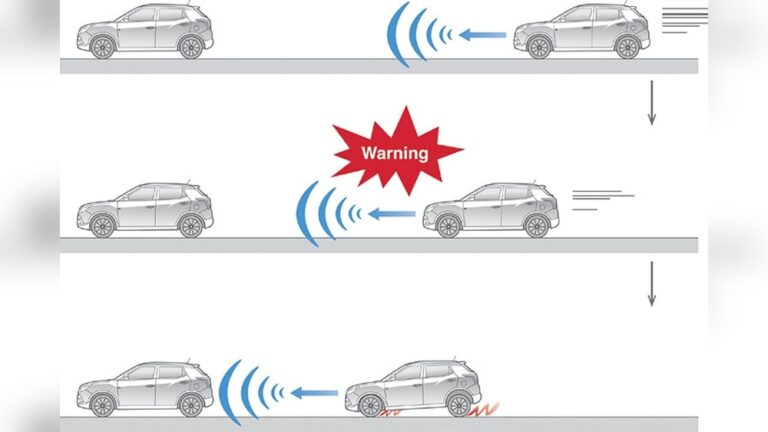
Special sensors detect sudden impacts or rapid deceleration. These sensors send signals to the airbag system. The system activates the inflator to release gas into the airbag. It all happens in milliseconds to keep passengers safe.
Airbag Mechanism
Airbags are safety devices designed to protect passengers during car crashes. They work by inflating very quickly to cushion the impact. Understanding the airbag mechanism helps explain how these devices save lives. The process involves several components working in perfect timing.
Inflator Components
The inflator is the heart of the airbag system. It contains a small canister filled with chemicals. There is also a sensor that detects sudden impacts. Once triggered, the inflator releases gas to fill the airbag. This happens in less than a second. The fast action ensures the airbag is ready before the passenger hits the steering wheel or dashboard.
Chemical Reaction Process
The airbag inflates through a quick chemical reaction. When the sensor detects a crash, it sends an electric signal. This signal ignites a compound inside the inflator. The compound burns rapidly and produces nitrogen gas. This gas inflates the airbag instantly. The reaction finishes in about 20 to 30 milliseconds. This speed is crucial to protect passengers effectively.
Factors Affecting Deployment
Several factors influence how fast airbags deploy in a crash. These factors help the airbag system decide the right moment to activate. Understanding these elements can clarify how airbags protect passengers effectively.
Collision Severity
Airbags deploy faster in severe collisions. The system detects the force of impact. Stronger impacts trigger quicker airbag inflation. Minor bumps usually do not set off the airbags. This helps avoid unnecessary deployment.
Vehicle Speed
Higher speeds cause faster airbag deployment. Speed increases the crash energy. The sensors react quickly to protect occupants. At low speeds, airbags may not deploy. This prevents damage from unnecessary inflation.
Impact Angle
The angle of collision affects airbag timing. Front impacts trigger frontal airbags quickly. Side impacts activate side airbags instead. Oblique angles may delay or alter deployment. The system adjusts based on crash direction.
Credit: www.hotcars.com
Types Of Airbags
Airbags protect passengers in many ways. Different types of airbags cover different parts of the car. Each type inflates fast to reduce injury during a crash. Knowing these types helps understand how airbags work.
Frontal Airbags
Frontal airbags are the most common type. They sit in the steering wheel and dashboard. These airbags inflate in front crashes to protect the head and chest. They deploy in about 20 to 30 milliseconds after impact.
Side Airbags
Side airbags protect the body from side collisions. They are inside the seats or doors. These airbags inflate quickly to shield the torso and pelvis. Side airbags help reduce injuries from side impacts.
Curtain Airbags
Curtain airbags cover the side windows. They protect the head in side crashes and rollovers. These airbags drop down like a curtain to shield passengers’ heads. Curtain airbags also deploy very fast to prevent serious harm.
Safety Standards And Testing
Airbags save lives by inflating instantly during crashes. Their speed and reliability depend on strict safety rules. These rules guide how airbags must perform and be tested. Understanding these standards helps explain how airbags work fast and protect passengers well.
Regulatory Requirements
Governments set rules for airbag systems in cars. These rules ensure airbags deploy quickly and safely. Airbags must inflate within milliseconds after a crash. They must not cause extra harm to passengers. Car makers must follow these laws to sell vehicles.
Each country or region has its own regulations. These often come from safety organizations. They test and approve airbags before cars reach the market. Meeting these standards is key to passenger safety.
Crash Test Procedures
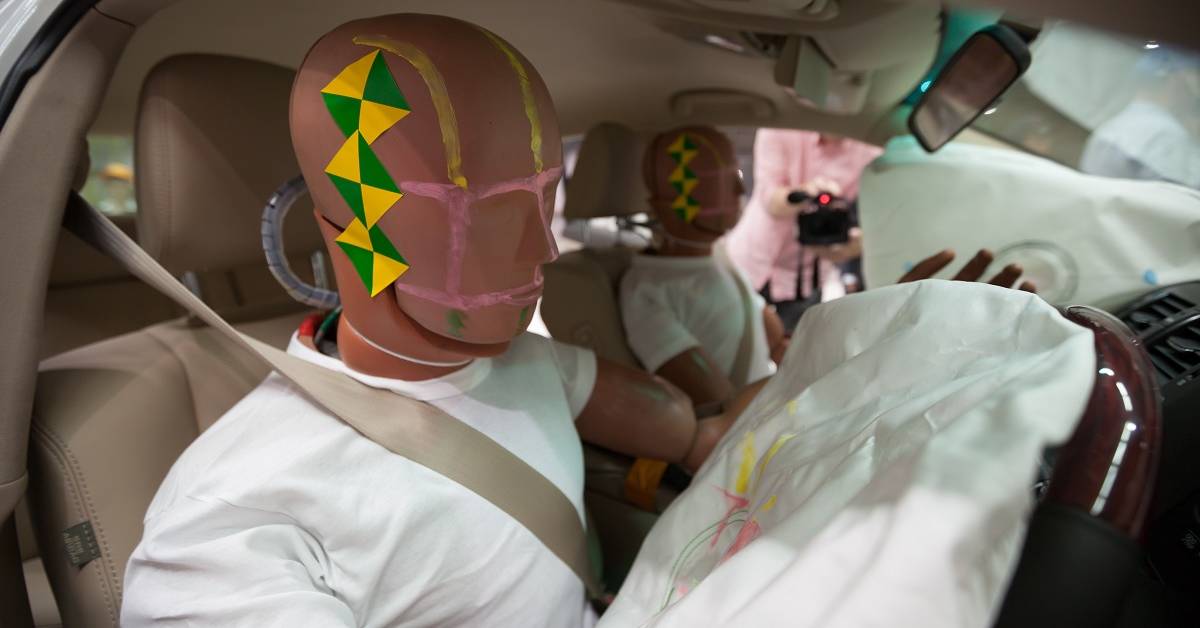
Crash tests simulate real accidents to check airbag performance. Dummies with sensors sit inside test cars. Tests include frontal, side, and rollover crashes. Sensors measure how fast airbags inflate and protect the dummy.
Test results show if airbags deploy too slow or too hard. Engineers use this data to improve airbag systems. These tests ensure airbags work well in many crash types. Safety depends on passing these strict crash tests.

Credit: carfromjapan.com
Common Myths
Many people have wrong ideas about how airbags work. These common myths cause confusion and fear. Understanding the truth helps you stay safe and calm during a crash. Let’s clear up some false beliefs about airbag deployment.
Deployment Delays
Some believe airbags take seconds to inflate. Actually, airbags deploy in about 20 to 30 milliseconds. That is faster than you can blink. This speed helps protect you instantly during a crash. No delay means the airbag is ready the moment impact happens.
False Deployments
Many fear airbags might deploy without a crash. False deployments are very rare. Airbags use sensors that detect sudden impacts only. Minor bumps or potholes do not trigger them. This precise system reduces chances of airbags going off by mistake.
Future Innovations
Airbags have saved many lives by deploying in milliseconds. Yet, engineers keep improving their speed and accuracy. Future innovations aim to make airbags smarter and safer for everyone. These upgrades focus on better detection and tailored responses to crashes.
Advanced Sensors
New sensors can detect crashes faster and more precisely. They use multiple inputs like speed, impact angle, and vehicle position. These sensors help the airbag system decide the best time to deploy. Faster detection means airbags protect passengers better.
Adaptive Deployment
Adaptive deployment changes how airbags inflate based on the crash type. The system adjusts pressure and timing for each situation. It considers factors like passenger size and seat position. This leads to safer airbag inflation and fewer injuries.

Credit: www.reddit.com
Frequently Asked Questions
How Quickly Do Airbags Deploy In A Crash?
Airbags deploy within 20 to 30 milliseconds after a collision. This rapid inflation helps cushion occupants before impact, reducing injury risk effectively.
What Triggers The Airbag Deployment System?
Crash sensors detect sudden deceleration or impact force. Once triggered, these sensors send signals to deploy airbags instantly for passenger safety.
Can Airbags Deploy Too Fast Or Too Slow?
Airbags deploy at an optimal speed to protect occupants. Too fast or slow deployment can reduce effectiveness and increase injury risk.
Are All Airbags Deployed Simultaneously During A Crash?
Not always. Airbag deployment depends on crash severity and location. Front airbags deploy in frontal crashes, while side airbags activate in side impacts.
Conclusion
Airbags deploy very quickly, often within milliseconds. This speed helps protect passengers during crashes. Sensors detect impact and trigger the airbags fast. They provide a cushion to reduce injuries. Knowing how fast airbags work shows their safety value. Always remember to wear your seatbelt with airbags.
Together, they keep you safer on the road. Safety technology saves lives every day. Stay informed and drive carefully for your protection.