
Have you ever wondered how long your car’s spark plugs really last? Knowing this can save you from unexpected breakdowns and costly repairs.
Your spark plugs play a crucial role in keeping your engine running smoothly, but they don’t last forever. You’ll discover the signs that your spark plugs need replacing, how long they typically last, and why timely maintenance matters. Keep reading to protect your car and keep it performing at its best.
Spark Plug Lifespan
Spark plugs are small parts that help your car engine run. They create sparks to ignite the fuel. Over time, spark plugs wear out and need replacement. Knowing how long they last helps keep your car in good shape.
The lifespan of spark plugs depends on many things. Some last longer, others need change sooner. Understanding these details can save you money and prevent car trouble.
Typical Mileage Range
Most spark plugs last between 30,000 and 100,000 miles. Copper plugs usually last about 30,000 miles. Platinum and iridium plugs can last up to 100,000 miles. Check your car manual for the exact range.
Changing spark plugs at the right time keeps your engine smooth. Old plugs cause rough idling and poor fuel economy. Watch for signs like hard starts or engine misfires.
Factors That Affect Longevity
Driving habits can shorten spark plug life. Frequent short trips and stop-and-go traffic cause faster wear. High-speed driving also adds stress on spark plugs.
Engine conditions matter too. Overheating or oil leaks can damage plugs quickly. Using the wrong spark plug type reduces lifespan. Always use plugs made for your engine.
Regular maintenance helps spark plugs last longer. Clean air filters and good fuel quality keep plugs healthy. Check spark plugs during routine service for best results.

Credit: www.reddit.com
Types Of Spark Plugs
Spark plugs are vital for your car’s engine. They create the spark needed to ignite fuel. Different types of spark plugs last different amounts of time. Knowing the types helps you choose the right one for your vehicle.
Copper
Copper spark plugs are the most basic type. They have a solid copper core and a nickel alloy outer layer. Copper plugs conduct electricity well but wear out faster than others. They usually last about 20,000 to 30,000 miles. These plugs are good for older cars or engines with low voltage needs.
Platinum
Platinum spark plugs last longer than copper ones. They have a platinum disc welded to the electrode tip. This makes them more durable and heat resistant. Platinum plugs can last up to 60,000 miles. They work well in newer cars and help improve fuel efficiency.
Iridium
Iridium spark plugs offer the best performance and longest life. Iridium is harder and more durable than platinum. These plugs can last over 100,000 miles. They provide better ignition and fuel economy. Iridium plugs suit modern engines that require high efficiency and reliability.
Signs Of Worn Spark Plugs
Worn spark plugs can cause many problems in your car. They affect how well your engine runs. Knowing the signs helps you fix issues early. This keeps your car safe and saves money on repairs.
Engine Misfires
Engine misfires are a clear sign of worn spark plugs. The engine feels rough or shakes. It may lose power or hesitate during acceleration. This happens because the spark plugs fail to ignite fuel properly.
Poor Fuel Economy
Worn spark plugs reduce fuel efficiency. Your car uses more gas than usual. This raises your fuel costs. The engine burns fuel unevenly, causing waste. Replacing spark plugs can improve mileage quickly.
Difficulty Starting
Hard starts often mean spark plugs are bad. Your engine may crank longer or not start at all. Old spark plugs struggle to create a strong spark. This makes the engine work harder to start.
Maintenance Tips
Maintaining car spark plugs helps your engine run smoothly. Good care extends their life and improves fuel efficiency. Simple steps keep spark plugs in top shape and prevent costly repairs.
Regular Inspections
Check spark plugs every 30,000 miles or as your car manual suggests. Look for signs of wear like cracks, deposits, or corrosion. Early detection stops bigger engine problems. Use a flashlight and mirror for better view in hard spots.
Proper Installation
Use the right tools to avoid damage during installation. Tighten spark plugs to the correct torque level. Loose plugs cause misfires, while too tight ones can break threads. Follow manufacturer instructions carefully to ensure a secure fit.
Cleaning Vs Replacement
Cleaning spark plugs can remove dirt and carbon buildup. Use a wire brush or spark plug cleaner gently. Replace plugs if they show heavy wear or damage. New plugs improve engine performance and save fuel.
Impact On Engine Performance
Spark plugs play a key role in engine performance. They create the spark that ignites the fuel-air mix. Over time, worn spark plugs affect how your engine runs. This impact shows in several ways.
Understanding this helps keep your car in good shape. It also saves money on repairs and fuel.
Power Loss
Old spark plugs cause weak or inconsistent sparks. This makes the engine run rough. The car loses power during acceleration. Climbing hills or carrying loads becomes harder. Your vehicle feels less responsive and slow.
Emissions Increase
Worn spark plugs do not burn fuel fully. Unburned fuel exits the exhaust as pollutants. This raises harmful emissions from your car. Failing emissions tests can happen. The environment suffers from this pollution.
Fuel Efficiency
Bad spark plugs lower fuel efficiency. The engine uses more fuel to run smoothly. You spend more money at the pump. Replacing spark plugs keeps fuel use in check. It helps your wallet and the planet.
Credit: automag.rw
When To Replace Spark Plugs
Knowing when to replace spark plugs is key to keeping your car running well. Old spark plugs can cause poor engine performance, lower fuel efficiency, and starting issues. Understanding the signs and guidelines helps you avoid these problems. Here are some important points to consider for timely replacement.
Manufacturer Recommendations
Car makers provide specific intervals for spark plug replacement. These intervals often range from 30,000 to 100,000 miles. Check your car’s owner manual for exact numbers. Following these guidelines helps maintain engine health. Different spark plug types may have different lifespans. Stick to the manufacturer’s advice for best results.
Driving Conditions
Harsh driving wears spark plugs faster. Frequent short trips, stop-and-go traffic, and heavy loads strain your engine. Dusty or wet environments also affect spark plug life. If you drive in tough conditions, replace spark plugs more often. Adjust replacement schedules based on your daily driving habits.
Visual Inspection Clues
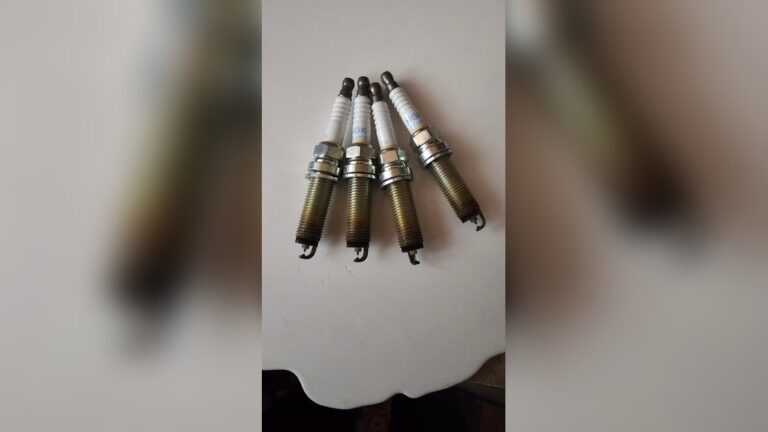
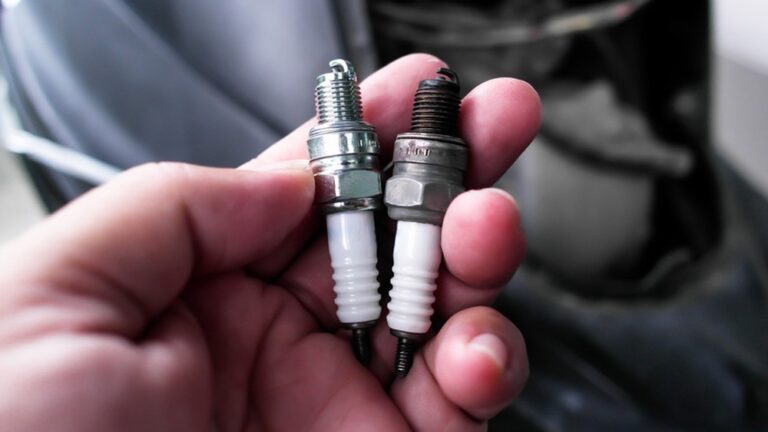
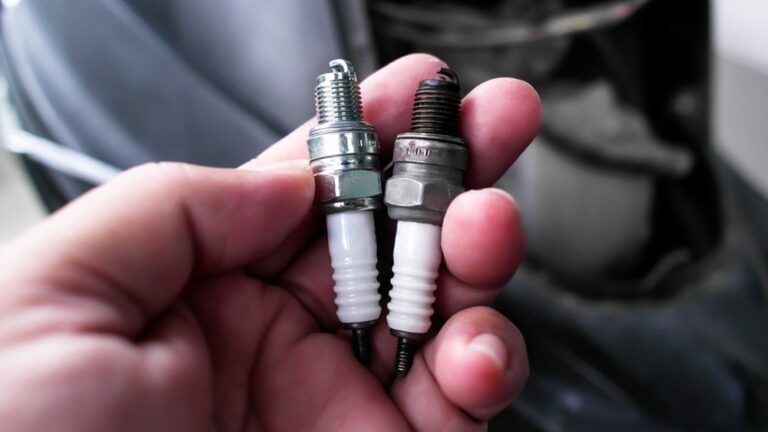
Look at your spark plugs for signs of wear. A worn spark plug has a burnt or eroded electrode. Black, oily, or white deposits show engine problems. Cracks or heavy buildup mean the plug needs changing. Regular visual checks can catch issues before they get worse.

Credit: www.reddit.com
Frequently Asked Questions
How Often Should I Replace Car Spark Plugs?
Car spark plugs typically last 30,000 to 100,000 miles. Replacement depends on the type and vehicle model. Regular inspection helps maintain engine performance. Follow manufacturer recommendations to avoid misfires and poor fuel economy.
What Are Signs Of Worn-out Spark Plugs?
Worn spark plugs cause engine misfires, rough idling, and poor acceleration. You may notice decreased fuel efficiency and difficulty starting the car. Strange noises and increased emissions are also common indicators.
Can Bad Spark Plugs Affect Fuel Economy?
Yes, faulty spark plugs reduce fuel efficiency. Misfires cause incomplete combustion, wasting fuel. Replacing spark plugs on time improves mileage and reduces emissions. Regular maintenance ensures optimal engine performance.
Are Iridium Spark Plugs Longer Lasting?
Iridium spark plugs last longer than copper ones, often up to 100,000 miles. They offer better durability and performance. Though pricier, they reduce maintenance frequency and improve ignition reliability.
Conclusion
Car spark plugs usually last between 30,000 and 100,000 miles. This depends on the type and how you drive. Worn spark plugs can cause engine problems and lower fuel efficiency. Regular checks help catch issues early. Changing spark plugs on time keeps your car running smooth.
A simple step that saves money and avoids bigger repairs. Keep an eye on your car’s performance and listen for signs. Good spark plugs mean better starts and less pollution. Small care leads to longer engine life.